Leave Your Message

What Are the Top Mobile Tower Cranes for Sale?

Choosing among mobile tower cranes for sale takes more than comparing prices or advertised lifting capacity. The term “mobile tower crane” can describe different machine designs, and listings may use names inconsistently. The search phrase “Tower Crane Mobile” appears in some product searches, but buyers should confirm the crane’s actual configuration before comparing models. Look closely at the load chart: a crane’s lifting capacity changes with working radius, boom setup, and operating conditions. A large number on a product page may not describe the lift you need.

This guide explains practical features to review, including transport dimensions, setup requirements, hook height, lifting radius, and available service support. A compact crane may fit a restricted site, yet still need room for stabilizers or assembly. Check what comes with the quoted price, such as counterweights, remote controls, and operator documentation. Ask the seller for current specifications and clear answers about inspection history, parts availability, and warranty terms. Details matter.

No single model suits every project. A useful shortlist should match the crane to the site, expected loads, and schedule, not just a headline specification. Still, comparisons can be imperfect when sellers use different measurement conditions. That deserves a second look. The sections ahead will help readers assess common options carefully, identify trade-offs, and prepare focused questions before requesting a quote.

What Are the Top Mobile Tower Cranes for Sale?

Mobile Tower Cranes Explained: Road-Mobile Slewing and Tower Configurations

Road-mobile tower cranes pair a road-going carrier with a slewing upper structure, a tower mast, and a jib. The carrier moves between sites; outriggers and counterweights create the working base. Road-ready matters. Check the transport configuration, axle loads, setup footprint, and lifting chart—not just maximum capacity. A crane that fits through the gate may still need more room to slew safely.

Tower configurations affect reach and setup time. A compact mast suits lower-rise work, while added tower sections increase hook height but require more assembly space and checks. The European Commission’s Directive 96/53/EC uses 2.55 metres as the standard maximum vehicle width on many European roads, subject to defined exceptions. Treat that figure as a planning reference, not a universal clearance rule. Local route limits and permits still matter. Tight sites change everything.

For selection, compare load capacity at the actual working radius, wind limits, ground-bearing pressure, and the time needed to erect the tower. Confirm these against the manufacturer’s load charts and a site-specific lift plan. EN 13000 provides safety requirements for mobile cranes, but it does not replace operational checks. A neat spec sheet can still mislead: verify how the crane’s tower, jib, and counterweights travel, and whether the site can support each setup stage.
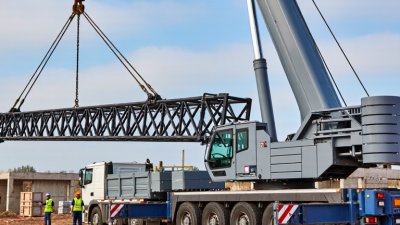
Leading Models for Sale: Liebherr MK Series and Potain Igo T Range

For tight urban sites, telescoping-mast mobile tower cranes offer road transportability and tower-crane reach. Hydraulic erection can reduce setup work, while a rotating jib serves several work zones without repeated repositioning. Check the load chart at the required radius, not just headline capacity. Also verify axle loads, outrigger dimensions, hook height, and transport permits before purchase. Small details matter. A narrow street may still leave too little room for stabilizers.

Compact self-erecting models suit smaller sites with frequent moves and limited assembly space. Their folding tower and jib can simplify deployment, but wind limits, lifting capacity at reach, and assembly conditions vary by configuration. Ask for the serial-specific manual and inspect the hydraulic system, slew components, and remote controls. KHL Group’s 2024 Yellow Table reported $237.6 billion in 2023 sales for the 50 largest equipment manufacturers; this broad market measure is not a crane-price benchmark. For used units, compare service records, operating hours, and included transport equipment. One trade-off is easy to miss: faster setup does not guarantee better site productivity.

Liebherr MK 88-4.1: 8 t Maximum Capacity and 45 m Maximum Radius

The MK 88-4.1 combines an 8-tonne maximum lifting capacity with a 45-metre maximum radius. Those figures describe separate limits, not one working lift. Capacity changes with radius, configuration, and site conditions, so planners should check the load chart for the exact setup. At a tight urban site, the compact mobile format can reduce assembly needs and free up ground space. But access roads, overhead obstructions, and setup time still matter.

A manufacturer’s technical data sheet is the primary reference for its rated performance; confirm the figures against the specific crane documentation before planning a lift. The International Labour Organization’s 2019 report estimated 2.78 million deaths annually from work-related accidents and diseases worldwide. That broad statistic is not crane-specific, but it underscores why lift planning and competent operation cannot be treated as paperwork.

A tidy specification can still flatter reality. Measure the actual load, including lifting accessories, and allow for wind and ground conditions. The maximum radius looks impressive. The usable capacity at that radius is the number that counts.

Load Charts and Rated Capacity: Why Lifting Capacity Drops with Radius

When comparing mobile tower cranes for sale, read the load chart for the exact setup, not just the largest capacity printed in a listing. A crane may lift a heavy load close to its mast but handle much less several metres farther out. That reach costs capacity. As radius grows, the load creates greater overturning force, while the boom and supporting structure also face higher stresses. The chart shows the crane’s limits for specific boom lengths, angles, counterweight, and operating positions. A quoted maximum is not a promise at every radius.

For example, a chart might allow a heavier pick at a 6-metre radius than at 12 metres. The actual figures vary by model and configuration. Check the planned load’s total weight, including rigging, and measure radius from the crane’s centre of rotation to the load’s centre of gravity. Small measurement errors matter. Confirm the chart’s notes on outrigger extension, ground conditions, and permitted slew area; capacity can change across the working zone. Wind and uneven setup also deserve attention. Before lifting, a qualified operator should verify the chart against the site plan and actual configuration. Even experienced crews can overlook a setup detail. That is worth checking twice.

Mobile Crane Rated Capacity vs. Working Radius

Illustrative load-chart example for a mobile crane configuration

As working radius increases, rated lifting capacity generally drops because the load creates greater overturning leverage. These representative values are for illustration only—not a load chart for a specific crane. Always verify the actual machine’s chart for its boom length, counterweight, outrigger setup, and operating conditions.

Buying and Safety Checks: OSHA 1926.1417, Setup, Transport, and Service History

When comparing mobile tower cranes for sale, look beyond lifting capacity and asking price. Ask for the original load charts, operating manuals, and records of repairs or structural changes. A tidy cab is reassuring, but it proves little. Under OSHA 1926.1417, operators must follow applicable operating procedures and equipment instructions; have a qualified person verify that the machine and its safety devices are suitable for the planned work.

Inspect the proposed setup area before purchase. Soft soil, buried utilities, or a sloped pad can change what safe setup requires. Confirm ground-bearing needs, leveling limits, outrigger or base arrangements, and required mats. Check that assembly and climbing procedures are documented and can be performed by trained personnel. Keep people outside the operating area. Small setup details matter.

Transport can be a costly surprise. Compare the crane’s transport dimensions and weight with the route, trailer, and site access. Then review service records for inspection dates, structural repairs, hydraulic leaks, wire-rope condition, and recurring faults. Low operating hours may sound reassuring, though neglected maintenance can matter more. If records are incomplete, pause and arrange an independent inspection before committing. A missed repair can turn a seemingly affordable crane into downtime.

What Are the Top Mobile Tower Cranes for Sale? — Buying and Safety Checks: OSHA 1926.1417, Setup, Transport, and Service History
Crane Type Best-Fit Work Buying Checks Setup and OSHA Checks Transport and Mobilization Service-History Checks
Self-erecting tower crane Short- to medium-duration projects with repeated lifting from a compact site, such as low- to mid-rise construction and residential work. Confirm the load chart for the exact configuration, jib length, hook position, and operating radius. Check required power, controls, included counterweights, and whether the crane suits the heaviest planned load at the farthest required reach. Verify the ground can support the crane and its setup loads; use the manufacturer’s setup, leveling, anchoring, and operating instructions. Under OSHA 29 CFR 1926.1417, follow applicable manufacturer procedures and do not exceed rated capacity. Ask for the manufacturer’s transport configuration, component list, shipping dimensions, and weights. Check route restrictions, permits, and escort requirements with the relevant authorities; these vary by location and load. Request inspection, repair, and maintenance records; identify unresolved defects and replaced structural or safety-critical parts. Confirm that the operating aids and safety devices work as specified.
Trailer-mounted self-erecting tower crane Projects that need a crane moved between nearby sites and have suitable access for towing and setup. Inspect the trailer, running gear, brakes, tires, hitch, and stabilizing equipment as well as the crane. Verify towing requirements and the complete transport weight; confirm that the proposed lifting chart applies to the crane’s actual setup. Set up only on a suitable surface and in accordance with the manufacturer’s instructions. Assess nearby structures and power lines before work; follow applicable OSHA power-line requirements, including 29 CFR 1926.1408 and 1926.1409. Confirm the tow vehicle’s capacity and legal compatibility with the trailer. Check the planned route, turning clearance, overhead obstructions, and jurisdiction-specific road rules before moving the unit. Compare hour-meter readings with service records and inspection dates. Review records for transport damage, repeated faults, structural repairs, and any outstanding safety-related work.
Mobile-base tower crane Sites where a tower-crane-style working arrangement and movement of the base between prepared positions are useful. Determine whether the crane is designed to travel only in a specified configuration or under other limits. Obtain the applicable load charts, travel restrictions, ground-pressure information, and required setup components from the seller. Check the prepared travel path and setup area for bearing capacity, slope, and obstructions. Apply the manufacturer’s travel and operating procedures; OSHA 29 CFR 1926.1402 addresses ground conditions, while 1926.1417 covers operation. Clarify what is included in the sale and what must be dismantled or shipped separately. Obtain component weights and dimensions, and plan lifting and securement for loading and unloading. Review documented inspections and maintenance for the base, travel system, mast, slewing components, and safety devices. Have a qualified person evaluate damage or repairs before purchase or return to service.
Compact or restricted-access self-erector Tight sites where access, setup footprint, or nearby buildings limit crane selection and positioning. Compare the actual load chart with the lift plan rather than relying on maximum capacity alone. Measure access and setup clearances, and verify the required working radius, hook height, and configuration with the manufacturer’s documentation. Plan the setup location, exclusion area, and load path. Check ground conditions and overhead hazards; use the correct operating procedures and capacity information for the exact configuration as required by OSHA 29 CFR 1926.1417. Measure gates, roads, overhead clearance, and the delivery area. Confirm dismantling needs, delivery vehicle access, and any local permits before committing to the purchase. Request available inspection and repair documentation, including records of safety-device checks. Investigate missing records, unexplained downtime, or signs of impact, corrosion, or unauthorized modification.
Important selection note: These are equipment categories, not rankings of specific models or verified sale listings. Capacities, reach, setup requirements, and transport dimensions vary by model and configuration. Before purchase or operation, verify the crane’s current manufacturer documentation and have the equipment and site assessed by qualified personnel. OSHA 29 CFR 1926.1412 covers inspections; 1926.1417 covers operation. See the official text at OSHA 1926.1417, 1926.1402, and 1926.1412.