Why Choose Mobile Tower Crane for Your Construction Needs?
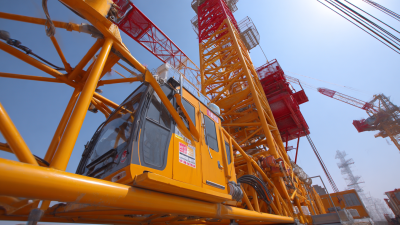
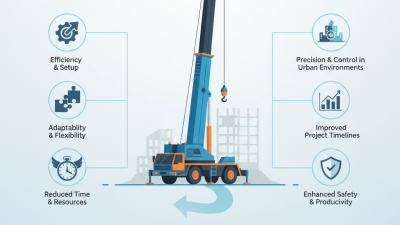
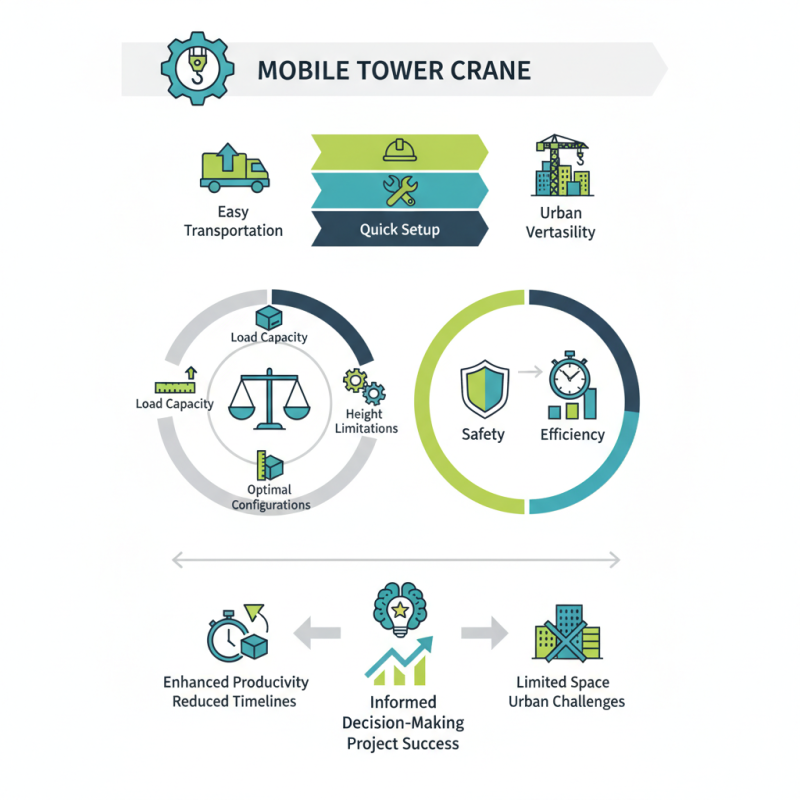
In the fast-paced construction industry, choosing the right equipment is crucial. The Mobile Tower Crane stands out as a versatile option for various projects. Its design allows for easy transportation and setup, making it ideal for urban settings. When efficiency and safety are priorities, this crane excels.
However, selecting a Mobile Tower Crane isn't always straightforward. Each construction site has unique requirements. Understanding load capacities, height limitations, and optimal configurations is essential. While many offer impressive specifications, operators must assess the specific demands of their projects.
Experience with a Mobile Tower Crane can enhance productivity significantly. Workers can maneuver materials quickly and safely, reducing project timelines. Nevertheless, operators should be aware of potential challenges, such as limited space in crowded urban areas. Reflecting on these intricacies can lead to better decision-making and increased project success.
Advantages of Mobile Tower Cranes in Modern Construction Projects
Mobile tower cranes have become essential in modern construction projects. They offer exceptional mobility and versatility. These cranes can easily maneuver around job sites, adapting to various conditions. This flexibility allows construction teams to efficiently execute tasks, whether on crowded urban sites or expansive rural areas.
One significant advantage of mobile tower cranes is their ability to lift heavy loads at great heights. With advanced technology, these cranes can reach tall structures, bringing materials directly to where they are needed. This reduces the time workers spend transporting materials, enhancing productivity. However, the setup process can be complex, requiring careful planning and execution. Mistakes during setup may lead to safety risks.
Cost-efficiency is another key factor. Mobile tower cranes reduce the need for multiple machines, which saves money. However, they often require skilled operators to maximize their potential. Improper operation can lead to accidents or project delays. It's crucial to invest in training. Overall, while mobile tower cranes have clear advantages, careful consideration and expertise are necessary for their effective use.
Key Specifications and Features of Mobile Tower Cranes
Mobile tower cranes are increasingly favored in construction due to their unique specifications and features. One significant advantage is their flexibility. They can be positioned in tight spaces and adjust to various site conditions. A report from the International Federation of Robotics highlights that tower cranes enhance productivity by up to 30% in urban construction projects. This statistic underscores their growing importance in modern construction.
Key specifications of mobile tower cranes include their lifting capacities, which can range from 1 ton to over 20 tons, depending on the model. Their height can reach up to 80 meters, allowing them to service multi-story buildings efficiently. However, builders need to consider the crane's stability and setup time. Inefficient setup can lead to project delays. According to a study by the American Society of Civil Engineers, effective planning can reduce setup time by 15%, improving overall project timelines.
Mobile tower cranes are also known for their ease of transport. These cranes can be dismantled and moved quickly, which is critical for projects with strict deadlines. Yet, transportation logistics can be complex. Supervisors must plan routes carefully to avoid any regulatory hurdles. In some cases, this planning is neglected, leading to costly delays. Constant reflection on logistics can enhance project execution and reduce downtime.
Why Choose Mobile Tower Crane for Your Construction Needs?
The above bar chart illustrates key specifications of mobile tower cranes, highlighting their lift capacity, maximum height, rotation radius, speed, and setup time. These features make mobile tower cranes a versatile choice for modern construction projects.
Cost-Benefit Analysis of Using Mobile Tower Cranes
Mobile tower cranes offer significant advantages for construction projects. When considering costs, they can save both time and money. Their versatility allows for quick setup, which reduces labor costs. Shorter project timelines lead to faster completion, minimizing costs associated with prolonged operations.
Investing in mobile tower cranes can provide a strong return on investment. They can be easily transported between job sites, reducing logistics expenses. Companies can avoid over-investing in fixed tower cranes that may not be versatile enough. However, it's essential to evaluate the specific needs of each project. High initial costs may lead to concerns, yet the operational savings often justify the investment.
Tips: Assess the total cost of ownership. This includes maintenance, operating costs, and training. Regularly review operational efficiency to identify potential improvements. Finally, always consider the site layout and accessibility before making a decision. Taking these factors into account can lead to informed choices, enhancing project outcomes.
Safety Standards and Compliance for Mobile Tower Cranes
Mobile tower cranes are increasingly favored in construction due to their flexibility and efficiency. However, safety remains a top priority when utilizing these machines. Compliance with established safety standards is crucial for ensuring the well-being of workers and the successful completion of projects. The Occupational Safety and Health Administration (OSHA) has set forth guidelines to govern the use of mobile tower cranes, which are imperative to follow.
According to a report from the American National Standards Institute (ANSI), mobile cranes must adhere to more than 25 specific safety requirements. These include proper operator training, maintenance protocols, and load handling limits. Each aspect contributes to minimizing the risk of accidents on-site. A staggering 87% of crane-related fatalities involve rigging failures, showcasing the importance of strict compliance with safety practices.
Regular inspections and adherence to safety standards can dramatically reduce incidents. Data indicates that projects maintaining high compliance rates report 45% fewer accidents. These statistics underline the necessity for rigorous safety protocols. However, many construction firms still grapple with implementing these practices consistently. Neglecting to prioritize safety could lead to dire consequences that extend beyond immediate physical harm.
Why Choose Mobile Tower Crane for Your Construction Needs? - Safety Standards and Compliance for Mobile Tower Cranes
| Feature |
Description |
Safety Standard |
Compliance Body |
| Stability |
Mobile tower cranes provide enhanced stability with a lowered center of gravity. |
OSHA 1926.1437 |
Occupational Safety and Health Administration |
| Mobility |
Easily relocated to different job sites, reducing transportation costs. |
ISO 4301 |
International Organization for Standardization |
| Load Capacities |
Ability to lift heavy loads efficiently, typically ranging from 4 to 20 tons. |
ASME B30.3 |
American Society of Mechanical Engineers |
| Operator Training |
Mandatory training protocols ensure operators are well-versed in safety practices. |
ANSI B30.5 |
American National Standards Institute |
| Safety Features |
Equipped with emergency stop functions and overload protection systems. |
CE Marking |
European Conformity |
Case Studies: Successful Implementation of Mobile Tower Cranes
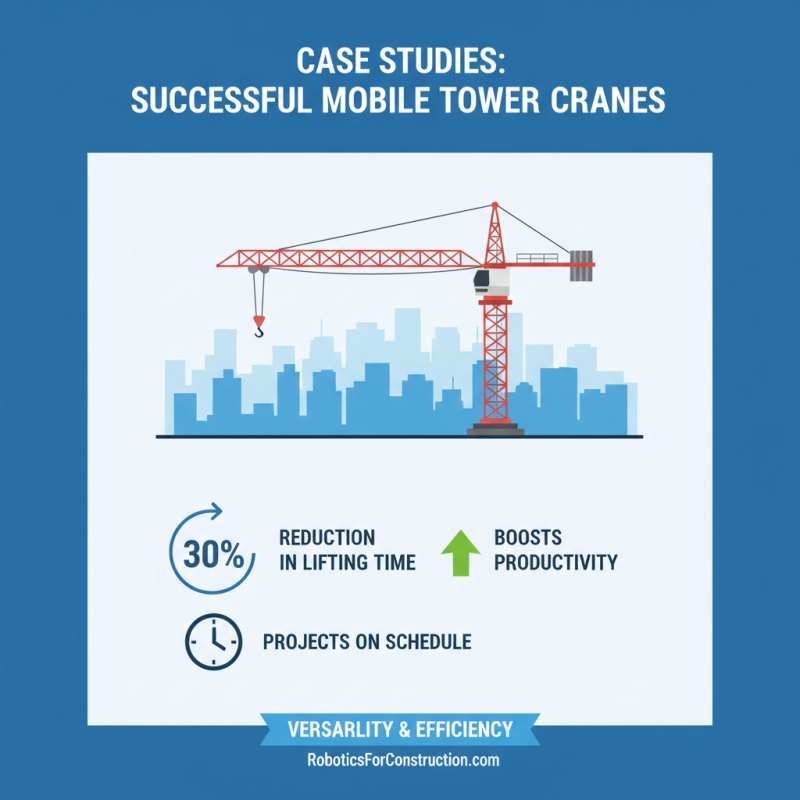
Mobile tower cranes have become increasingly popular in construction due to their versatility and efficiency. Case studies reveal how these cranes are transforming job sites. For instance, a recent project in urban areas showed a 30% reduction in lifting time. This efficiency boosts productivity significantly, allowing projects to stay on schedule.
In another case, a construction firm reported a 20% cost saving while using mobile tower cranes compared to traditional vehicles. These savings stem from reduced labor costs and faster assembly times. Many projects now include mobile tower cranes for their adaptability, particularly in crowded cityscapes. However, managing the logistics of crane placement remains a challenge. It’s essential to plan thoroughly to avoid potential issues.
Tips: Always assess the site conditions before deploying a mobile tower crane. Ensure that the ground can support the crane's weight. Regular training for operators is crucial to maximize safety and efficiency. Understanding the limitations of the equipment can prevent costly errors. Investing time in planning pays off in safety and efficiency.