Mobile Tower Crane Buying Tips for Global Purchasers?
In the rapidly evolving construction sector, understanding the intricacies of purchasing a Mobile Tower Crane is vital. Alex Johnson, a renowned expert in crane technology, once stated, "Investing in the right Mobile Tower Crane can significantly impact project efficiency and safety." As global purchasers seek optimal solutions, several critical factors must be considered.
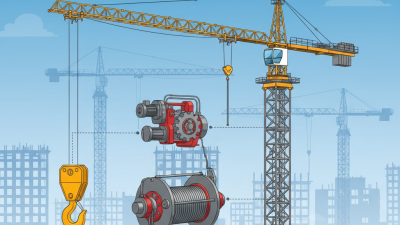
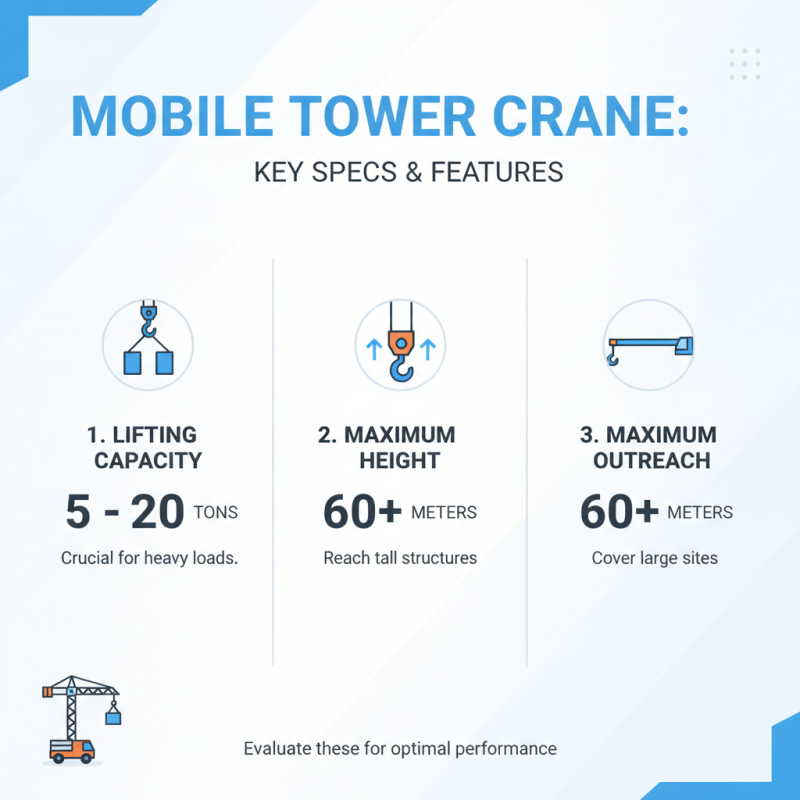
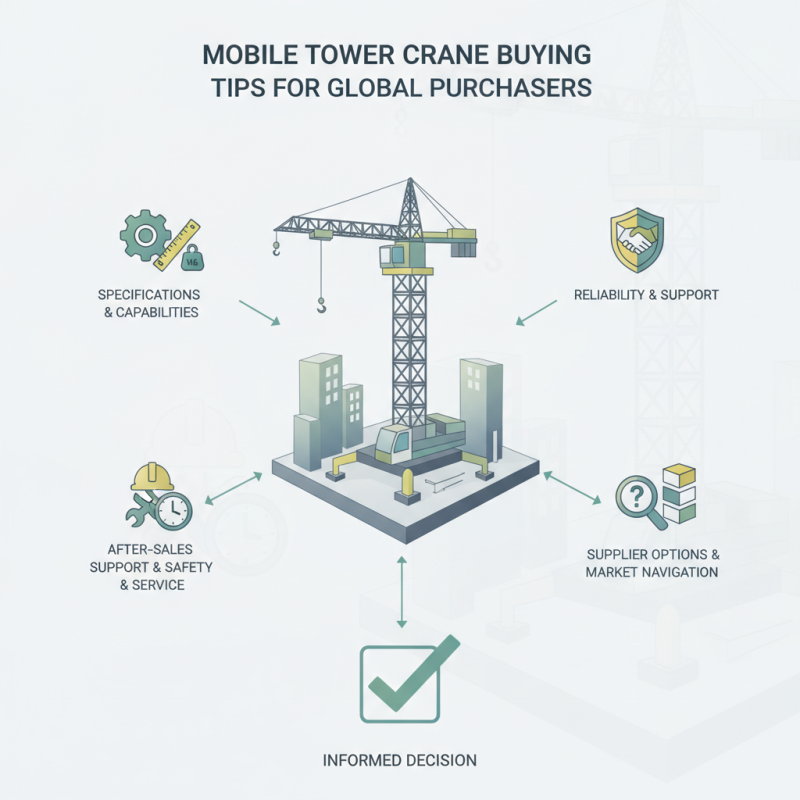
When selecting a Mobile Tower Crane, it's essential to evaluate its specifications and capabilities. The crane should meet the unique demands of your construction site. Look beyond brand names; focus on reliability and support. Factors like lift height, load capacity, and reaching range all matter.
Purchasers often overlook the importance of after-sales support. A reliable service team can minimize downtime. Additionally, expect some uncertainties while navigating supplier options. The market is vast, and not all suppliers provide the same quality. Reflecting on these aspects will lead to a more informed decision, ensuring the Mobile Tower Crane chosen aligns with operational needs and safety standards.
Understanding Mobile Tower Cranes and Their Applications
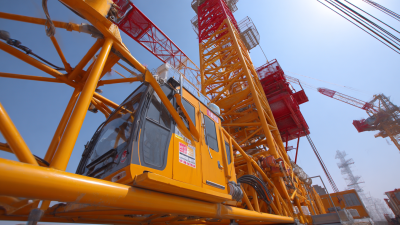
Mobile tower cranes are essential in various construction projects, known for their flexibility and efficiency. These cranes can reach heights of up to 250 feet and lift loads ranging from 1 to 20 tons. According to the Global Construction Equipment Market report, the demand for mobile tower cranes has increased by 35% in the past five years. This growth indicates their rising importance in modern construction practices.
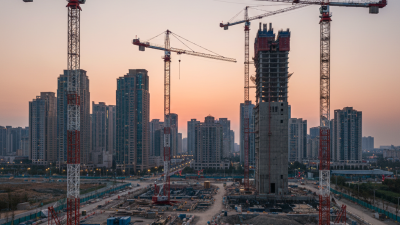
When purchasing a mobile tower crane, it's vital to understand its applications. These cranes are often used in urban settings, where space is limited. They can maneuver in tight spots, ensuring that large projects can proceed without interruption. Choosing the right crane involves assessing job site conditions and load requirements.
**Tips:**
Consider the crane's height and lifting capacity based on project needs. Check for features like extendable bases for stability. Equipment quality is paramount, so research reputable manufacturers.
Buyers should also reflect on the operating costs, including fuel and maintenance. Some may overlook the long-term investment in quality. Investing in a durable crane can save costs in the long run, despite higher upfront expenses. Understanding these details can significantly influence project success.
Mobile Tower Crane Buying Tips for Global Purchasers
| Feature |
Description |
Importance Level |
| Load Capacity |
The maximum weight the crane can lift; essential for evaluating job requirements. |
High |
| Height |
The reach height of the crane; important for construction site operations. |
High |
| Rotation Radius |
The area within which the crane can operate; crucial for space constraints. |
Medium |
| Mobility |
Ease of transport to different job sites; affects project logistics. |
High |
| Setup Time |
Time required to assemble and disassemble the crane; impacts project timelines. |
Medium |
| Safety Features |
Includes safety brakes, overload protection; vital for ensuring worker safety. |
High |
| Fuel Type |
Electric vs diesel; impacts operating costs and efficiency. |
Medium |
Key Factors to Consider When Purchasing Mobile Tower Cranes
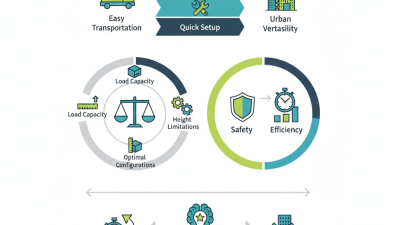
When purchasing mobile tower cranes, several key factors warrant careful consideration. First, the lifting capacity is critical. Reports indicate that cranes with a capacity of 10 to 20 tons dominate the market. However, specific project needs could require different configurations. Understanding the load requirements accurately helps ensure efficiency and safety.
The height and reach of a tower crane also impact its versatility. Models featuring a jib length ranging from 30 to 50 meters can serve various construction sites. Buyers should assess the types of projects they typically handle. This will influence their choice significantly. Reviews from industry professionals often highlight the importance of stability and control, especially on uneven terrain.
Another vital aspect is maintenance and serviceability. According to a recent industry report, downtime reduces productivity by up to 25%. Thus, selecting cranes with readily available parts and good service networks can save time and costs in the long run. It’s worth noting that some features might be overlooked, leading to challenges on-site. A thorough evaluation of these factors can aid in making an informed purchase that aligns with specific operational needs.
Assessing the Cost and Budget for Mobile Tower Crane Acquisition
When assessing the cost and budget for mobile tower crane acquisition, understanding the financial implications is crucial. Many factors influence the price. The crane's specifications, load capacity, and reach all play significant roles in determining costs. Maintenance expenses should also be considered. It's not just about the purchase price; ongoing costs can add up quickly.
Tips for potential buyers include evaluating the total cost of ownership. This includes insurance, maintenance, and operation costs. A thorough inspection before purchase can save unexpected expenses later. Researching market trends is vital. This helps buyers gauge fair pricing versus inflated costs.
Moreover, understanding financing options can provide flexibility during acquisition. Different financing methods can affect budgeting strategies significantly. Make sure to consult with experts to understand the market better. Buyers might find that investing more upfront could lead to savings in the long run. Always keep an eye on resale value, which can impact the overall budget.
Mobile Tower Crane Cost Analysis
Exploring Maintenance and After-Sales Support for Mobile Tower Cranes
When purchasing mobile tower cranes, maintenance and after-sales support play a crucial role. According to a recent industry report, around 70% of crane buyers consider after-sales support as a key factor in their decision-making process. This highlights the importance of a reliable support system. A well-maintained crane can last over 25 years, but this depends heavily on the quality of maintenance provided.
Maintenance services should include regular inspections and timely repairs. It's essential to check if the supplier offers training programs for operators. Investing in training can improve safety and efficiency. Reports indicate that trained operators can reduce accident rates by up to 30%. Lack of proper maintenance can lead to costly breakdowns. In fact, research shows that unplanned maintenance can increase operational costs by 25% or more.
After-sales support should also encompass access to parts and service expertise. Buyers should inquire about the availability of spare parts. Quick access can reduce downtime significantly. However, some purchasers find delays frustrating. Reflecting on this, it is wise to consider suppliers known for their efficient logistics and responsive service. This can impact the machine's performance and your project deadlines significantly.