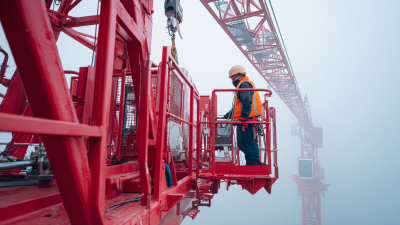
Why Choose a Tower Crane Mobile for Your Construction Projects?
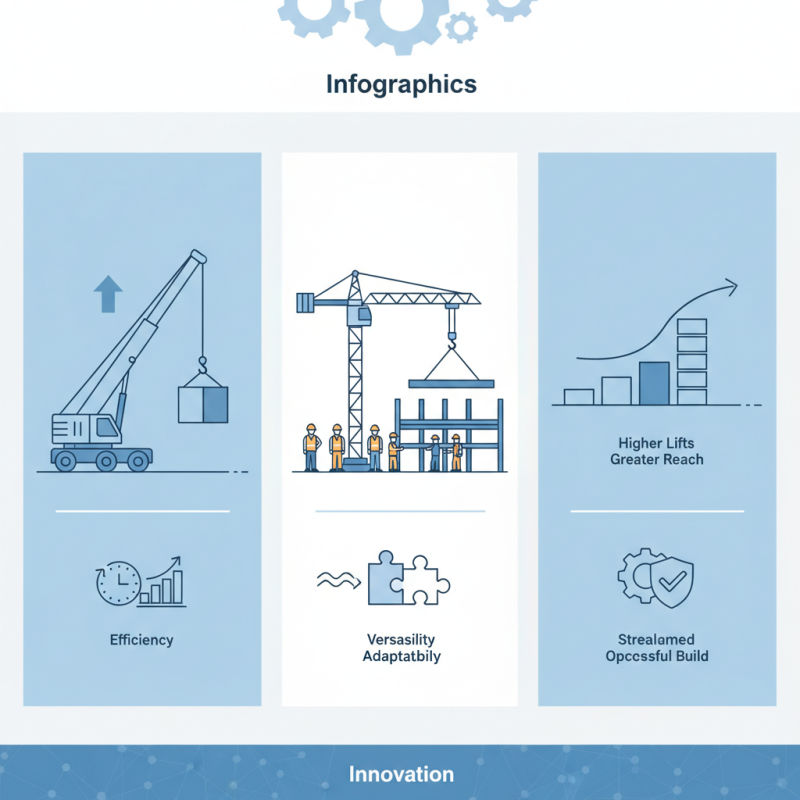
In the dynamic world of construction, efficiency is key. One crucial tool that stands out is the Tower Crane Mobile. Its versatility makes it a valuable asset for various projects. Unlike traditional cranes, these mobile towers adapt quickly to changing site conditions. They can be relocated easily, enhancing workflow.
Imagine a bustling construction site. Workers collaborate seamlessly, with the Tower Crane Mobile elevating heavy materials. This reduces downtime and boosts productivity. However, project managers must consider potential challenges. Maneuvering in tight spaces can be tricky.
Yet, the benefits often outweigh these concerns. Investing in a Tower Crane Mobile can streamline operations. It allows for higher lifts and greater reach. Ultimately, choosing the right equipment is vital for a successful build, making the Tower Crane Mobile a worthy consideration.
Advantages of Using Tower Crane Mobiles in Construction
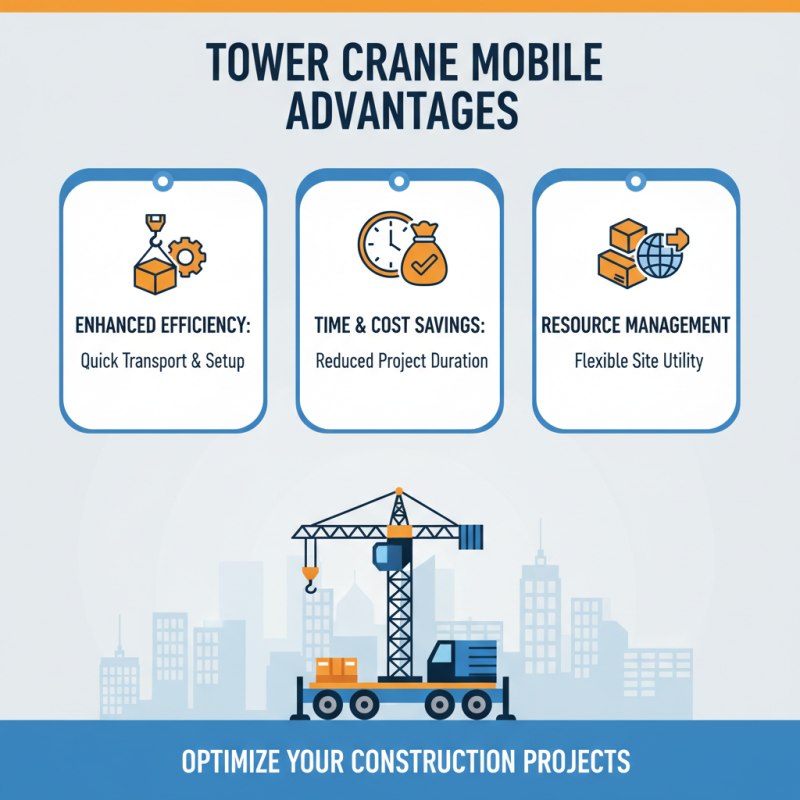
When it comes to construction projects, tower crane mobiles offer numerous advantages. These cranes are designed for mobility, which makes them ideal for sites with space constraints. Their ability to be easily transported to various locations can significantly enhance project efficiency. This flexibility saves both time and money. It also helps in managing resources better.
Consider this tip: Always evaluate the site conditions before choosing a crane. Understanding the terrain can prevent future issues. Ensure the crane has the right reach for your specific tasks. An unsuitable crane height can lead to delays and added costs, which is never favorable for any project.
Additionally, tower crane mobiles are capable of lifting heavy loads with precision. They can handle complex lifting scenarios that stationary cranes may struggle with. This closing of the gap in operations can boost overall productivity. While these cranes are beneficial, reflect on their operating costs. Maintenance and fuel consumption are factors to consider. Make sure to balance these with potential project gains for optimal results.
Key Features of Tower Crane Mobile Technology
Tower crane mobile technology is transforming the construction industry. These cranes are known for their versatility and efficiency. They can easily adapt to various project sizes. This flexibility is crucial when managing tight spaces or changing sites. Their mobility allows for quick relocation, which can significantly reduce downtime.
One key feature of tower crane mobile units is their impressive lifting capacity. They can handle heavy materials with ease, ensuring timely project completion. Their advanced control systems enhance precision during operation. However, operators must be trained effectively to avoid mishaps. The technology also includes safety features that prevent tip-overs. This aspect is vital, as construction sites are often unpredictable.
Despite their advantages, mobile tower cranes have limitations. Setup can be complex and time-consuming. Sometimes, they may not fit in all project environments. Maintaining the crane requires regular inspections and upkeep. This fact raises concerns for smaller companies with limited resources. Constant reflection on these challenges can lead to better decision-making in future projects.
Comparative Analysis: Tower Cranes vs. Other Crane Types
When considering cranes for construction,
tower cranes and
mobile cranes play pivotal roles.
Tower cranes are ideal for tall structures. They operate efficiently and provide
excellent lifting capacity. Their height and reach can support large-scale projects,
but they require substantial setup space.
On the other hand, mobile cranes offer flexibility. They can move between sites
easily and set up quickly. However, their lifting capacity is generally lower than
that of tower cranes. This may affect the choice for larger projects or those
requiring heavy lifts. It's essential to evaluate the specific needs of your project.
Tip: Analyze the site layout carefully. Limited space can make
tower cranes less practical.
Each crane type has unique advantages. Tower cranes shine in construction sites
with fixed locations. Yet, if the project’s needs change, a mobile crane could be
more beneficial. Finding the right balance between capacity and adaptability is crucial.
Tip: Always consult with experts when choosing crane types. Their
insights can reveal factors you might overlook.
Consider maintenance issues too. Tower cranes can require more prolonged setups
and inspections. However, mobile cranes might demand more transport and
re-calibration. Knowing these details can save time and costs.
Cost Efficiency and Economic Benefits of Tower Crane Mobiles
Tower crane mobiles are revolutionizing the construction industry. They are becoming popular due to their cost efficiency. These cranes can be easily moved from one site to another, saving transportation costs. This mobility reduces downtime significantly, which can ultimately lead to more projects completed on time.
The economic benefits are hard to ignore. Utilizing tower crane mobiles often leads to lower operational expenses. Their high lifting capacity allows for quicker assembly of structures, increasing productivity. However, sometimes, the initial investment can be daunting for smaller projects. This is where careful planning and budgeting become essential.
There are challenges too. Not every construction site is suitable for a tower crane mobile. In tight spaces, maneuverability can become an issue. Additionally, operators must be well-trained. An inexperienced operator could lead to inefficiencies. Balancing these factors is crucial for maximizing benefits while minimizing pitfalls.
Safety Considerations When Operating Tower Crane Mobiles
When operating tower crane mobiles, safety is paramount. Workers must be aware of their surroundings at all times. It’s common for operators to focus on their task and ignore potential hazards. This oversight can lead to accidents. Operators should receive proper training in safety protocols. Regular drills can promote awareness and prepare them for unexpected situations.
Communication is key among team members. Clear signaling reduces misunderstandings that could lead to injuries. In some cases, operators may feel pressure to rush jobs, ignoring safety checks. This can create dangerous conditions on-site. A thorough pre-operation inspection of the equipment can prevent failures. It’s crucial to check load limits and ensure the crane is on stable ground.
Regular maintenance cannot be overlooked. Wear and tear can affect the crane's functionality. It’s also important to review weather conditions before operating. High winds can make lifting operations risky. Creating a habit of safe practices takes time but is essential for a successful operation. Each worker’s commitment to safety can significantly reduce accidents and improve overall project efficiency.
Why Choose a Tower Crane Mobile for Your Construction Projects? - Safety Considerations When Operating Tower Crane Mobiles
| Aspect |
Details |
| Type of Crane |
Mobile Tower Crane |
| Height Capacity |
Up to 150 feet |
| Load Capacity |
8 to 20 tons depending on model |
| Setup Time |
Approximately 1-3 days |
| Operator Training |
Mandatory training for safe operation |
| Safety Features |
Obstacle detection, emergency stop, load moment indicator |
| Maintenance Frequency |
Periodic inspections every 6 months |
| Common Applications |
Residential buildings, bridges, large commercial projects |