Top Potain Tower Crane Buying Guide for Global Buyers?
When it comes to construction, choosing the right equipment is crucial. The **Potain Tower Crane** is a leading choice for many global projects. This guide aims to help buyers navigate the complexities of acquiring a Potain Tower Crane.
Understanding your specific needs is essential. Consider the height, load capacity, and reach of the crane. Mistakes in these areas can lead to costly delays. It's important to reflect on the unique requirements of your project.
Also, be aware of the differences in models and features. Potain offers various options that cater to different environments and tasks. Engaging with industry professionals can provide valuable insights. However, relying solely on their advice might overlook your unique project demands. Thus, careful evaluation is key.
Understanding the Importance of Potain Tower Cranes in Construction
In the construction industry, tower cranes are essential. They enhance efficiency and safety. According to a recent industry report, approximately 80% of global construction projects now utilize tower cranes. This trend underscores their growing importance. Their capacity to lift heavy materials over great heights is crucial in urban environments.
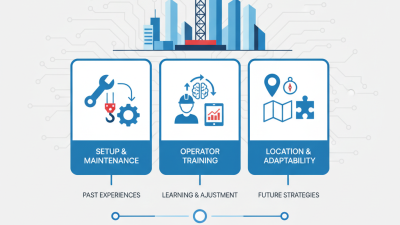
Potain tower cranes stand out due to their innovative features. They can adapt to various construction sites, which increases flexibility. In a study by the International Construction Industry Association, projects using advanced cranes report a 30% reduction in timelines. This is significant for meeting tight deadlines. However, managing these large machines poses challenges. Operators require specialized training and experience to ensure safety.
Despite their advantages, there are concerns regarding maintenance and cost. Regular inspections are necessary to prevent malfunctions. A lack of proper care can lead to delays and added expenses. As construction demands evolve, so must crane technology. Continuous improvement is vital for maintaining efficiency in an ever-changing landscape.
Key Features to Consider When Buying Potain Tower Cranes
When considering Potain tower cranes, key features play a critical role in the decision-making process. Load capacity is paramount. Most models range from 2 to 16 tons, catering to various project needs. A crane that can't meet load requirements may lead to operational delays. Additionally, lifting height varies significantly. Typical reach is between 40 to 80 meters, with extended models available for taller structures. This aspect is essential for optimizing project timelines.
The ease of assembly and disassembly also matters. Some cranes take only a few hours to set up. However, more complex designs could require days, which can frustrate project managers. Transportability is another crucial factor. A crane that is challenging to transport increases costs. Every additional trip adds to logistics and budgetary concerns. Portability impacts flexibility on job sites as well.
It's worth noting that maintenance can be a double-edged sword. Simplified designs often lead to lower upkeep costs. But cheaper models might lack durability, prompting frequent repairs. Emerging reports suggest that about 15% of crane failures originate from maintenance oversights. Buyers must weigh these aspects carefully. Investing in quality means long-term savings coupled with fewer site disruptions. On the flip side, opting for low-cost models entails risks and potential setbacks that may undermine project efficiency.
Comparative Analysis of Different Potain Tower Crane Models
When considering Potain tower cranes, it's essential to compare different models to find the best fit for your project. Each model offers unique features, capacities, and specifications that can significantly impact efficiency on the job site. For example, some cranes excel in lifting capacity, while others may be more maneuverable in confined spaces. Analyzing the specifications of each model can provide insight into their performance under various conditions.
In the comparative analysis, weight and reach are critical factors. Some models may be lighter, making them easier to set up, while others may have longer reaches for complex projects. It’s also important to consider the ease of maintenance and the availability of spare parts. In the long run, reliability can affect project timelines and budgets. Taking the time to reflect on these aspects can lead to a more informed decision, ultimately enhancing productivity.
Top Potain Tower Crane Models Comparison
Budgeting for Your Potain Tower Crane Purchase: Essential Costs
When budgeting for a Potain tower crane, several essential costs must be considered. These costs go beyond the initial purchase price. Maintenance, transportation, and setup fees can add significantly to your total expenditure. Buyers should expect to allocate funds for routine inspections and emergency repairs. It's critical to factor in these expenses early in the planning stage.
Another important aspect is the cost of skilled operators. While you may find economical options, their expertise is invaluable. Hiring experienced personnel ensures safe operation and efficiency. Furthermore, don’t forget about insurance. Liability and coverage for your equipment should be a priority.
Many buyers overlook hidden costs, like training for new operators. This investment pays off by minimizing accidents and maximizing performance. Evaluate your budget carefully, and be prepared for unexpected expenses. This approach will help you avoid financial strain and ensure a smoother purchasing experience.
Maintenance and Support Services for Potain Tower Cranes
Maintenance plays a vital role in the longevity of Potain tower cranes. Regular checks and servicing can prevent minor issues from escalating into costly repairs. Operators should monitor wear and tear on crucial parts. This practice enhances safety and minimizes project delays.
Support services are equally essential. Access to expert technicians is crucial for immediate troubleshooting. Many companies offer remote support, allowing quick resolution of issues. Yet, some users may hesitate to contact for help. This can lead to unsolved problems and increased downtime. Open communication with support teams is key.
Training operators in routine maintenance tasks is beneficial. It empowers them to handle minor fixes. However, not all teams prioritize this training, resulting in oversight. Investing in personnel development should be a priority to ensure efficient operations.