Top Liebherr Tower Crane Features for Global Buyers?
When considering construction equipment, the Liebherr Tower Crane stands out among competitors. Its innovative design and robust features make it an appealing choice for global buyers. As the construction industry evolves, these cranes adapt to meet diverse project demands. Liebherr's engineering expertise shines through in their products, ensuring reliability on job sites.
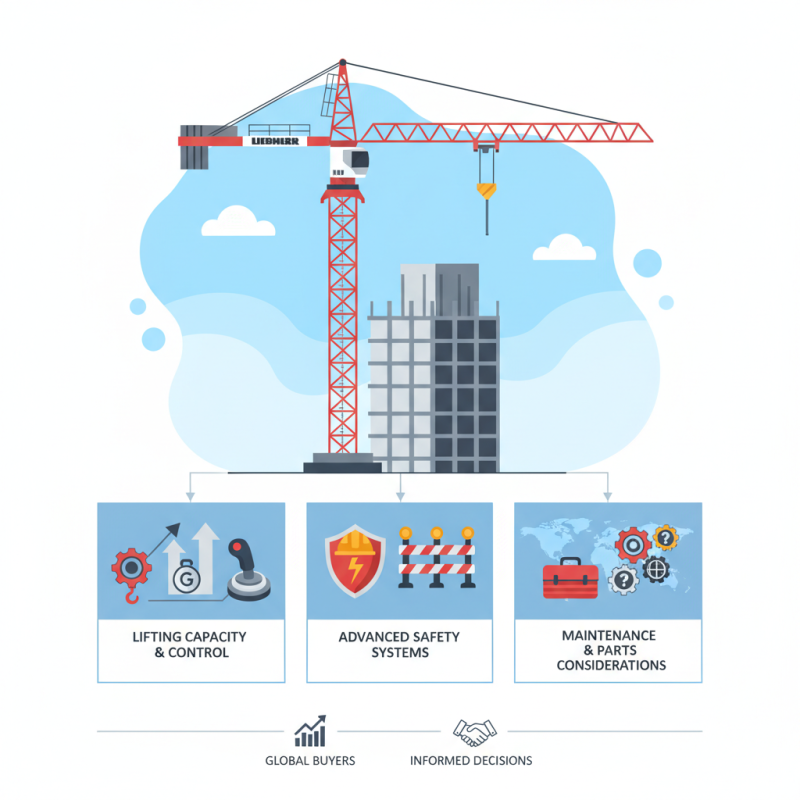
Buyers need to evaluate specific features of the Liebherr Tower Crane. For instance, users often praise its lifting capacity and precise control. Additionally, the advanced safety systems provide peace of mind while operating in challenging conditions. However, some users have noted challenges with maintenance and parts availability in certain regions.
Ultimately, understanding the attributes of the Liebherr Tower Crane is crucial for informed purchasing decisions. Each feature contributes to overall performance, yet potential buyers must align these capabilities with their project needs. As the market for tower cranes expands, the Liebherr brand remains a symbol of quality and innovation.
Key Innovations in Liebherr Tower Crane Design for Efficiency
When it comes to tower cranes, efficiency is paramount. Liebherr towers stand out due to their innovative design features. One key innovation is the variable frequency drive (VFD) technology, which optimizes motor speed and reduces energy consumption. According to a report from the International Energy Agency, using VFDs can improve overall operational efficiency by up to 30%. This not only cuts costs but also minimizes the environmental impact of construction projects.
Another significant advancement is the incorporation of smart technology. Many Liebherr tower cranes feature integrated sensors that monitor performance data in real-time. This data helps identify potential issues early, reducing downtime. A recent study from the Construction Industry Institute revealed that effective monitoring systems can enhance productivity by 15% on average. However, some users may find it challenging to adapt to new technology, highlighting a need for appropriate training.
The modular design of Liebherr cranes allows for easy assembly and disassembly. This flexibility can be invaluable for evolving project requirements. Yet, this modularity may lead to complexities in managing parts and ensuring compatibility. Understanding these dynamics is crucial for construction managers. Embracing these innovations requires investment and commitment, but the potential benefits are substantial.
Durability and Reliability: A Focus on Liebherr Construction Equipment
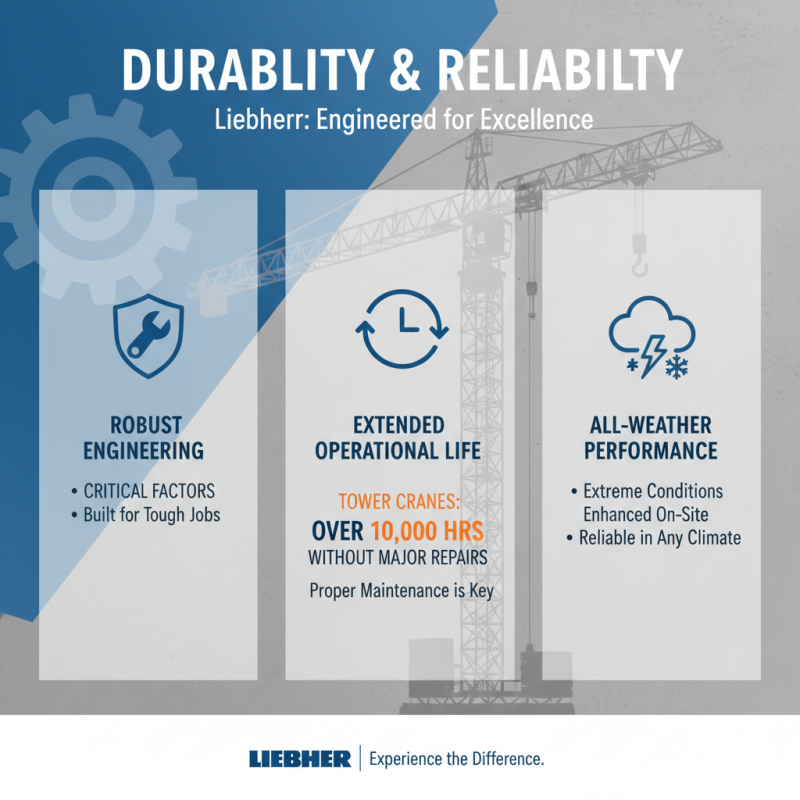
Durability and reliability are critical factors when evaluating construction equipment. Industry reports show that properly maintained tower cranes can operate for over 10,000 hours without major repairs. This underlines the necessity of robust engineering and design. Liebherr is known for developing tower cranes that withstand extreme weather conditions, enhancing their performance on site.
One significant feature is the high-grade materials used in production. The cranes utilize advanced steel alloys designed to endure heavy loads and harsh environments. Data from the Construction Equipment Manufacturers Association indicates that equipment downtime can account for up to 20% of project costs. Therefore, a reliable crane is an essential investment.
However, despite these benefits, issues can arise if maintenance schedules are not followed. Operators must be trained to recognize wear and tear signs. Regular inspections can mitigate risks, but some projects still face unexpected downtime. Buyers should consider both reliability and the support services offered post-purchase. The emphasis should not just be on initial purchase costs, but also on long-term sustainability and operation effectiveness.
Advanced Technology Features in Liebherr Tower Cranes
When exploring advanced technology features in tower cranes, one finds remarkable innovations that enhance efficiency and safety. For example, modern models often utilize exceptional load monitoring systems. These systems help operators monitor weight in real time, reducing the risk of overloading. Improved sensors can detect environmental conditions like wind speed, providing alerts to prevent accidents on-site.
Another standout feature is the integration of remote control technology. With this advancement, operators can manage cranes from a safe distance. This not only enhances safety but also allows for precise maneuverability in tight spaces. However, reliance on technology raises questions about potential system failures. Regular maintenance remains crucial to mitigate risks associated with automation.
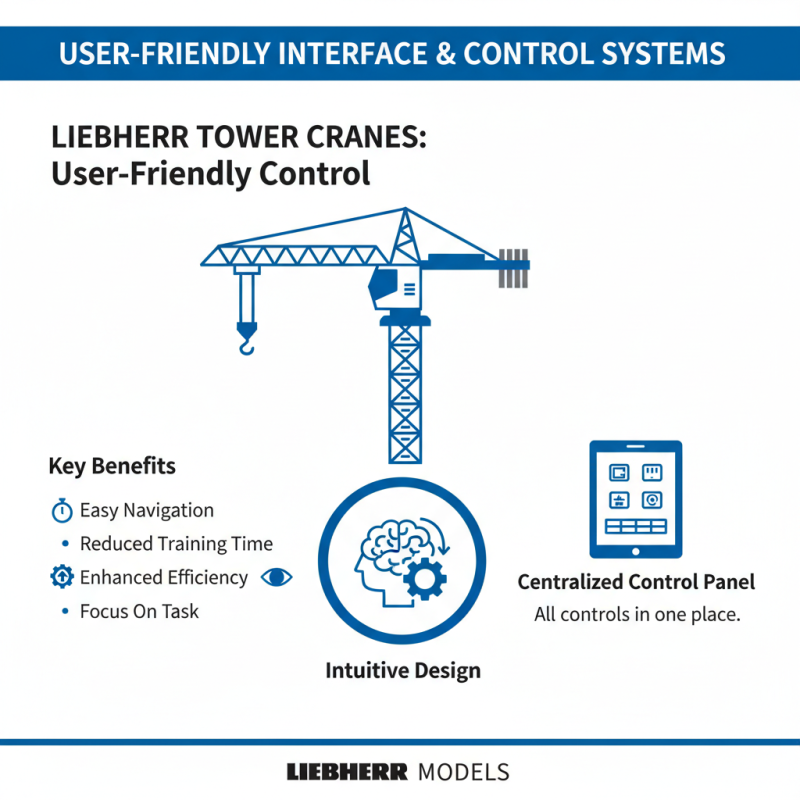
Moreover, user-friendly interfaces now streamline operation processes, making complex controls accessible to all skill levels. Yet, this progress can lead to a false sense of security. Training remains vital, as understanding both the technology and its limitations can make all the difference in performance. Investing in knowledge is as important as investing in machinery. The marriage of cutting-edge technology and skilled operation can redefine success on construction sites.
Global Compliance and Safety Standards of Liebherr Cranes
When discussing global compliance and safety standards for tower cranes, one important aspect is adherence to local regulations. Many countries have strict guidelines to ensure safety on construction sites. Recent studies reveal that about 40% of crane accidents stem from non-compliance with these regulations. The ramifications can be severe, including financial penalties and loss of reputation.
Safety features in modern cranes often include advanced warning systems and overload protection. These features can prevent accidents caused by human error. The global trend is moving towards enhanced automation, which further minimizes risk. A report from the International Labor Organization suggests that automated cranes can reduce workplace injuries by up to 30%. However, reliance on technology requires continuous training and updates on compliance.
Despite these advancements, challenges remain. Operators must stay informed about the evolving regulations across different regions. A disconnect can lead to potential safety hazards. Industry experts point out that even the best technology cannot replace the need for skilled operators. Training programs need continuous improvement to keep up with these changes in standards.
Top Tower Crane Features for Global Buyers
| Feature |
Description |
Global Compliance Standard |
Safety Rating |
| Load Capacity |
Capacity to lift various heavy materials. |
ISO 4301 |
Excellent |
| Safety Features |
Incorporation of safety systems like overload protection. |
EN 14439 |
Very Good |
| Operational Efficiency |
Optimized for fast lifting and lowering cycles. |
ISO 9001 |
Excellent |
| Height Adjustment |
Flexible height options for various projects. |
BS 7121 |
Good |
| User Interface |
Ergonomic controls for better operator experience. |
OSHA 1926 |
Excellent |