Essential Tips for Choosing Potain Tower Crane for Your Projects?
When selecting a crane for construction projects, the choice of equipment can significantly impact efficiency and safety. The Potain Tower Crane is a popular option due to its robust design and reliability. Understanding the key factors in choosing this crane is essential for a successful project.
For many, selecting a Potain Tower Crane can be daunting. It's vital to consider the crane's lifting capacity, reach, and height. Each project has unique requirements. A mismatch can lead to delays or even pose safety risks.
Experience plays a crucial role in choosing the right model. Consulting with experts helps clarify specifications. In some cases, seeking advice from seasoned operators may unveil insights. Investing time in research pays off significantly. The Potain Tower Crane can transform a project, but only if chosen wisely.
Understanding Potain Tower Cranes and Their Applications in Construction
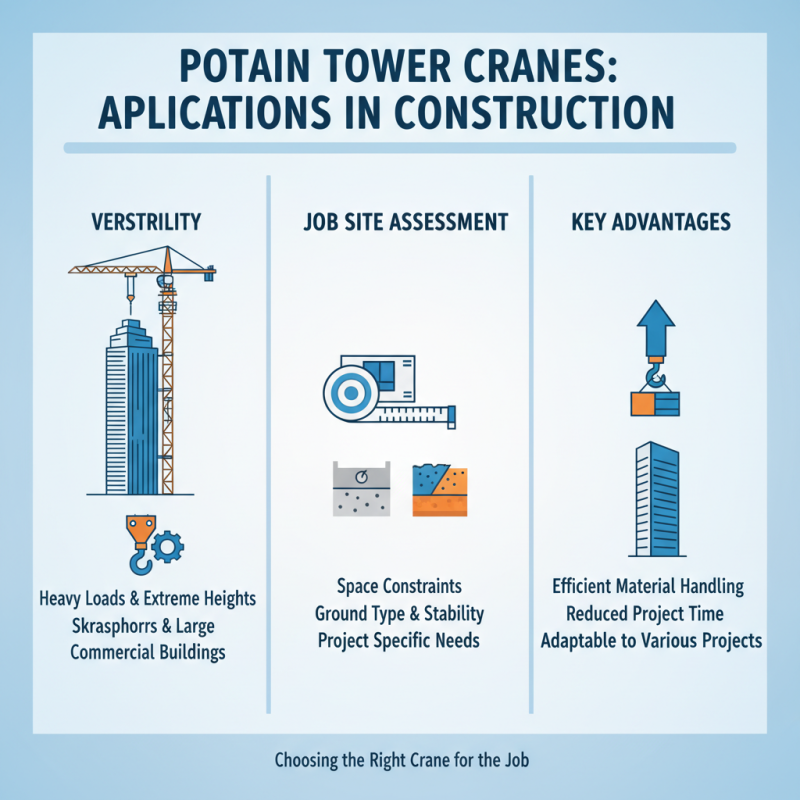
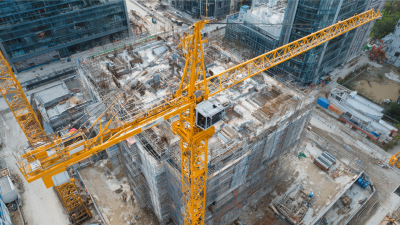
When selecting a tower crane for construction, understanding its applications is crucial. Potain tower cranes are popular for their versatility. They can handle heavy loads and reach impressive heights. This makes them ideal for skyscraper projects and large commercial buildings. Assessing job site conditions, including space and ground type, helps determine the best crane for a task.
It's important to consider operator experience and training. An experienced operator enhances safety and efficiency. However, not all operators have the same skill set. This can lead to challenges, especially in complex lifting operations. Regular maintenance of the crane is also essential. If not properly maintained, even the best cranes can fail.
Height limitations and load capacities are significant factors. Each project has specific requirements, which dictate crane choice. Failing to account for these can result in costly delays. Therefore, clear communication between project managers and crane operators is vital. This collaboration fosters better decision-making and helps mitigate risks on the worksite.
Key Factors to Consider When Choosing a Potain Tower Crane
Choosing the right Potain tower crane is crucial for project efficiency. Key factors should be thoroughly considered. Begin with the crane's lifting capacity. It must align with your project's maximum load requirements. A mismatch can lead to unsafe conditions. Evaluating the maximum height and reach is equally important. The crane should facilitate safe and effective operations across the entire job site.
Another significant factor is the setup location. An unstable surface can hinder operations. Assessing the ground conditions will help prevent future complications. Additionally, consider the operational environment. If the site is congested or has overhead obstacles, select a model designed for limited spaces.
Moreover, maintenance needs must be accounted for. Some models require more frequent service. Understanding the maintenance schedule allows for better project planning. This is often overlooked, yet it can be a deciding factor. Ultimately, while specific features may stand out, reflecting on the longevity and reliability of the crane is vital. Prioritizing these elements fosters a more sustainable construction process.
Essential Tips for Choosing Potain Tower Crane for Your Projects
| Factor |
Details |
| Lift Capacity |
Determine the maximum load the crane must lift for your project. |
| Height Under Hook |
Consider the height required to reach the highest point of your project. |
| Boom Length |
Evaluate the boom length needed to cover the project's reach. |
| Setup Location |
Analyze the area available for crane setup and operation. |
| Mobility |
Consider if the crane will need to be moved frequently between jobs. |
| Safety Features |
Check for safety features such as overload protection and limit switches. |
| Technical Support |
Ensure there is sufficient support and maintenance available. |
Evaluating Load Capacity and Reach for Your Specific Needs
When selecting a Potain tower crane, evaluating load capacity and reach is crucial.
Load capacity determines how much weight the crane can lift.
According to industry standards, tower cranes can typically lift between 5 to 25 tons.
Understanding your specific project requirements is essential.
For example, a construction site with heavy materials will need a crane that can handle more weight.
Reach is equally critical.
The radius of the crane's boom influences its operational capabilities. Many models offer a reach between
30 to 80 meters. However, project requirements may vary.
A crane with a longer reach can cover a larger area but might compromise stability.
Utilizing data from industry reports, it’s noted that improper selection can lead to delays and increased costs.
Installation and operational efficiency should not be overlooked.
Effective planning involves analyzing the site layout and crane positioning.
Data suggests that 20% of crane accidents occur due to poor planning.
As a project manager, balancing reach and load capacity against safety considerations is vital.
Evaluation of these factors will lead to informed decisions and successful project outcomes.
Assessing Site Conditions and Crane Mobility Requirements
Assessing site conditions is crucial when choosing a Potain tower crane. Before making a decision, analyze the terrain. Flat ground allows for easy mobility, while uneven surfaces may complicate crane operations. Consider any obstacles, such as nearby buildings or power lines, that could hinder movement. Preparing for potential challenges can save time and prevent delays.
Mobility requirements are equally important. The crane's reach and lifting capacity must align with the project needs. Understanding the site layout helps determine if the crane can navigate effectively. Limited space can restrict crane maneuverability, affecting efficiency. Evaluating both site conditions and mobility ensures a better fit for your project.
Site assessment goes beyond just physical attributes. It requires looking into environmental factors as well. Weather conditions can impact crane performance. This is where careful planning comes in. Addressing these variables upfront can make a significant difference later on. Reflecting on past projects can provide valuable insights. Consider what worked and what didn’t. Each detail matters in ensuring successful crane deployment.
Essential Tips for Choosing Potain Tower Crane for Your Projects
This chart illustrates the important factors to consider when selecting a Potain Tower Crane, focusing on site conditions and mobility requirements.
Maintenance and Support Considerations for Potain Tower Cranes
When considering a Potain tower crane, maintenance and support are critical. Regular inspections can help identify potential issues early. Look for signs of wear and tear. This can prevent costly breakdowns down the road.
Choosing the right maintenance plan is vital. Understand the servicing schedule for your crane model. Some parts may require more frequent checks than others. Having a knowledgeable team for support increases reliability. Training staff on basic operations can address minor issues efficiently.
Tips: Always have spare parts available. This guarantees minimal downtime. Establish a routine maintenance checklist. It’s a simple way to ensure everything is in working order. Working closely with service providers can enhance operational safety and efficiency. Frequent communication keeps everyone informed about updates and changes. A well-maintained crane ensures safety on-site and improves overall project success.