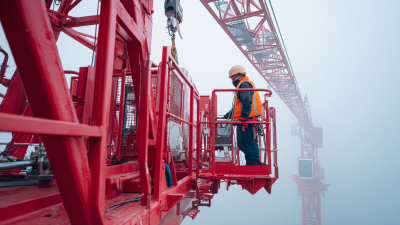
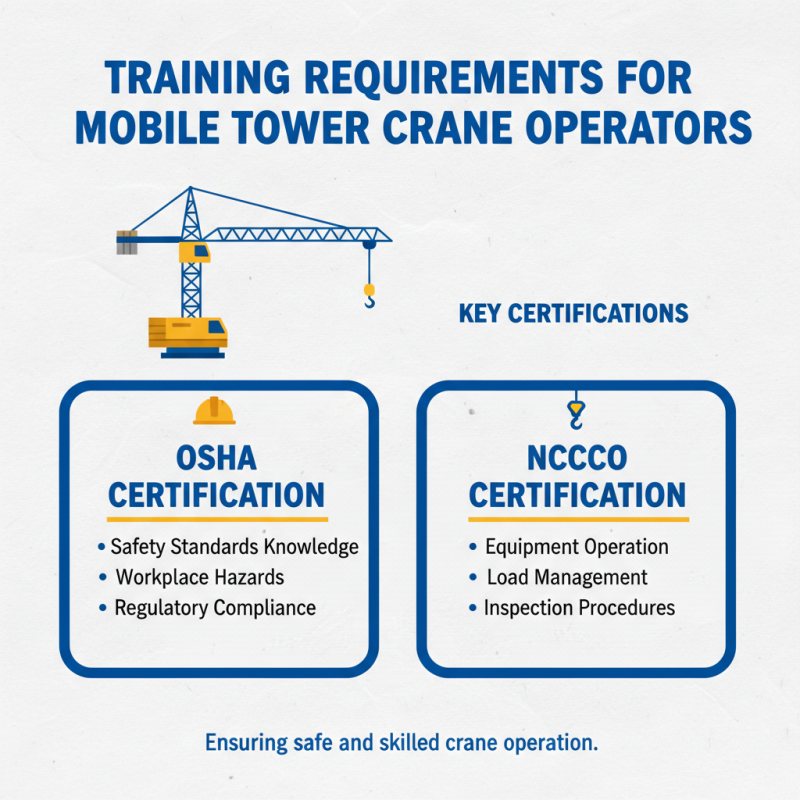
How to Operate a Mobile Tower Crane Safely and Efficiently?
When discussing the operation of a Mobile Tower Crane, safety and efficiency stand out as top priorities. According to John Smith, a seasoned expert in crane operations, "Proper training and awareness are key in preventing accidents." His insight highlights the importance of knowledge in this specialized field.
Operating a Mobile Tower Crane requires a deep understanding of its mechanics and the environment. Each job site presents unique challenges. Operators must remain vigilant. The dynamics of load handling can change rapidly. A minor miscalculation may lead to significant risks.
In addition, maintaining clear communication with ground teams is essential. Signals and instructions should be precise to avoid misunderstandings. The crane operator holds a pivotal role in the construction process. Their expertise shapes not only the efficiency of a project but also its safety outcomes. Regular training and adherence to best practices are crucial for developing a well-rounded skill set. Ultimately, the goal is to create a safe workspace while maximizing productivity.
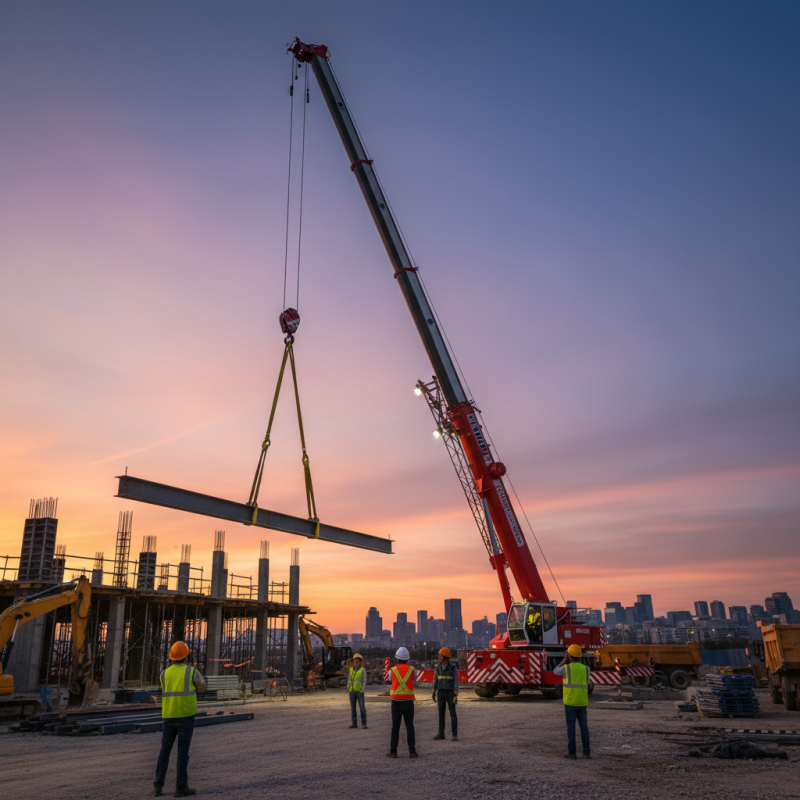
Best Practices for The Setup and Inspection of Mobile Tower Cranes
Setting up and inspecting a mobile tower crane requires meticulous attention to detail. A report by the Occupational Safety and Health Administration (OSHA) indicates that improper setup can lead to 70% of crane-related accidents. Ensuring that the foundation is solid and level is crucial. A clear understanding of site conditions is essential. Consider the load capacities and boom lengths before positioning the crane.
Inspection plays a vital role in safety. A study from the National Institute for Occupational Safety and Health (NIOSH) shows that regular inspections can reduce the risk of accidents by up to 50%. Inspecting cable wear, hydraulic systems, and boom connections should be routine. Proper documentation of these inspections can greatly benefit maintenance schedules and provide accountability.
Sometimes, overlooking small details can lead to severe consequences. It’s easy to assume that all components are functioning well because they were recently inspected. However, wear and tear can occur rapidly in harsh conditions. Operators must actively communicate with their teams to ensure that everyone is aware of potential hazards and any changes in crane operations. Prompt adjustments may prevent incidents before they arise.
Understanding Load Capacity and Stability in Mobile Tower Crane Operations
Operating a mobile tower crane requires an in-depth understanding of
load capacity and stability. According to industry reports, over
60% of crane accidents occur due to improper load management.
It is essential for operators to calculate the maximum load the crane can handle based on specifications.
Misjudging this can lead to catastrophic failures.
When assessing load capacity, operators should consider the crane's radius. The further the load is from the pivot
point, the smaller the load it can safely handle. A study by the
Occupational Safety and Health Administration (OSHA) emphasizes the
importance of adhering to load charts provided in the operator's manual. This practice not only ensures safety
but also boosts overall efficiency.
Tips: Always check the ground conditions.
Uneven or soft surfaces can compromise stability. It’s also vital to maintain clear communication among
team members. Silent operations increase risks.
Operators should regularly review load limits and stay updated with new safety protocols. Frequent refresher
training can help mitigate human error and promote a culture of safety. Remember, it’s not just about lifting;
it’s about lifting safely.
Essential Safety Protocols for Operating Mobile Tower Cranes on Job Sites
Operating mobile tower cranes requires a strong focus on safety protocols. These cranes can reach impressive heights, making precision and caution essential. A clear communication plan is crucial. Operators should maintain constant contact with ground crew members. This reduces the chances of accidents during hoisting operations. Hand signals must be understood by all team members. Miscommunication can lead to dangerous situations.
Regular inspections of the crane are necessary before each use. Checkload capacities, hydraulic systems, and safety features like alarms. Document any issues and address them immediately. Training is significant for all personnel involved. Operators, riggers, and signalers must understand their roles. Ongoing training ensures everyone remains aware of safety protocols.
A safe work area is vital. Establish a no-go zone around the crane’s swing radius. Set up barriers to keep unauthorized personnel away. This requires vigilance from the entire crew. After each shift, review the day’s operations. Reflect on what went well and what could improve. A culture of safety fosters an environment where everyone can work effectively.
How to Operate a Mobile Tower Crane Safely and Efficiently? - Essential Safety Protocols for Operating Mobile Tower Cranes on Job Sites
| Safety Protocol |
Description |
Frequency of Checks |
Responsible Personnel |
| Pre-Operation Inspection |
Inspect crane components, including cables, hooks, and signals |
Before each shift |
Crane Operator |
| Load Testing |
Verify crane's ability to lift specified loads safely |
Monthly |
Safety Officer |
| Operator Training |
Ensure operators are trained and certified |
Annually |
Training Coordinator |
| Emergency Procedures |
Establish and review protocols for emergencies |
Quarterly |
All Personnel |
| Communication Signals |
Use standardized signals for crane operation |
Ongoing |
Crane Operator and Ground Crew |
Effective Communication Strategies Among Crane Operators and Ground Crew
Effective communication between crane operators and ground crew is crucial for safe and efficient tower crane operations. According to a report by the Occupational Safety and Health Administration (OSHA), communication errors contribute to a significant percentage of construction accidents. Strengthening communication can minimize risks and improve teamwork on-site.
Establishing clear signals is essential. Operators should use standardized hand signals and radios for instant communication. This reduces misinterpretations. Regularly reviewing these signals can enhance awareness and coordination. Space constraints and noise can complicate verbal exchanges, making visual cues vital.
Tip: Schedule daily briefings before work starts. Discuss roles and responsibilities, emphasizing crucial tasks. This reinforces everyone's understanding and promotes proactive safety measures.
Additionally, using technology can bolster communication. Apps designed for construction sites facilitate real-time updates and alerts. However, not all crews have access to advanced tools. It’s important to explore low-tech solutions as well.
Tip: Create a buddy system. Pair experienced operators with newcomers. This ensures knowledge transfer and compresses the learning curve. Continuous feedback during operations can also identify areas for improvement.