Mobile Tower Crane Tips for Efficient Use and Safety Measures?
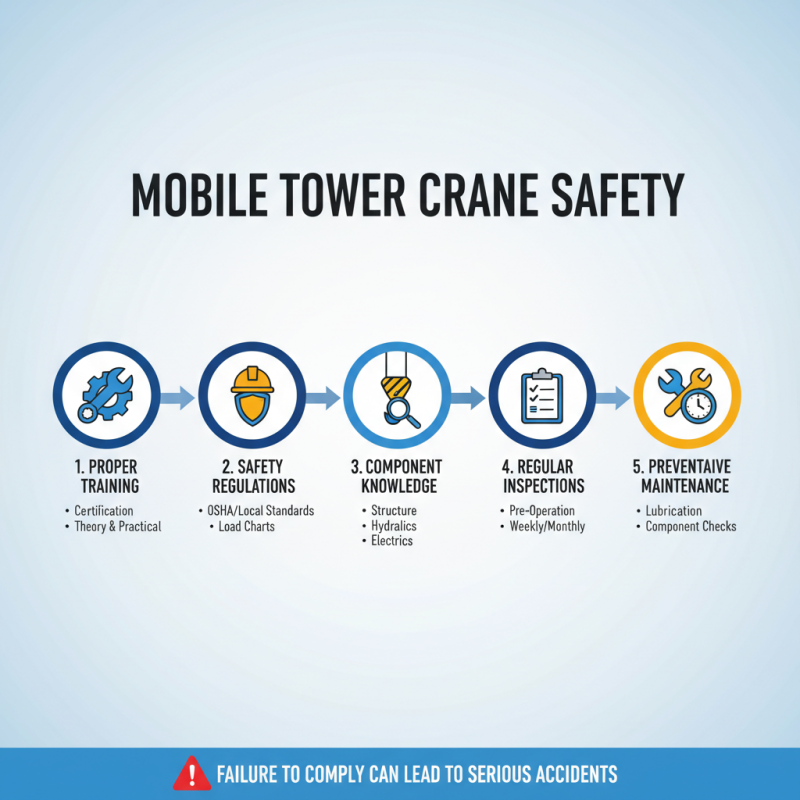
Mobile Tower Cranes are vital in construction. They enhance lifting efficiency on job sites. According to the American National Standards Institute, proper training can reduce accidents by 30%. Safety is paramount when using these machines.
However, misuse remains a concern. Operators often neglect safety protocols. A study by the National Institute for Occupational Safety and Health found that 70% of crane accidents stem from operator error. Understanding the operational limits and safety measures is crucial for reducing risks.
Employing top-notch maintenance practices is essential. Regular inspections can prevent breakdowns and accidents. An efficient Mobile Tower Crane can boost productivity but requires vigilance and care. The balance between efficiency and safety must be constantly evaluated.
Mobile Tower Crane Overview and Key Features
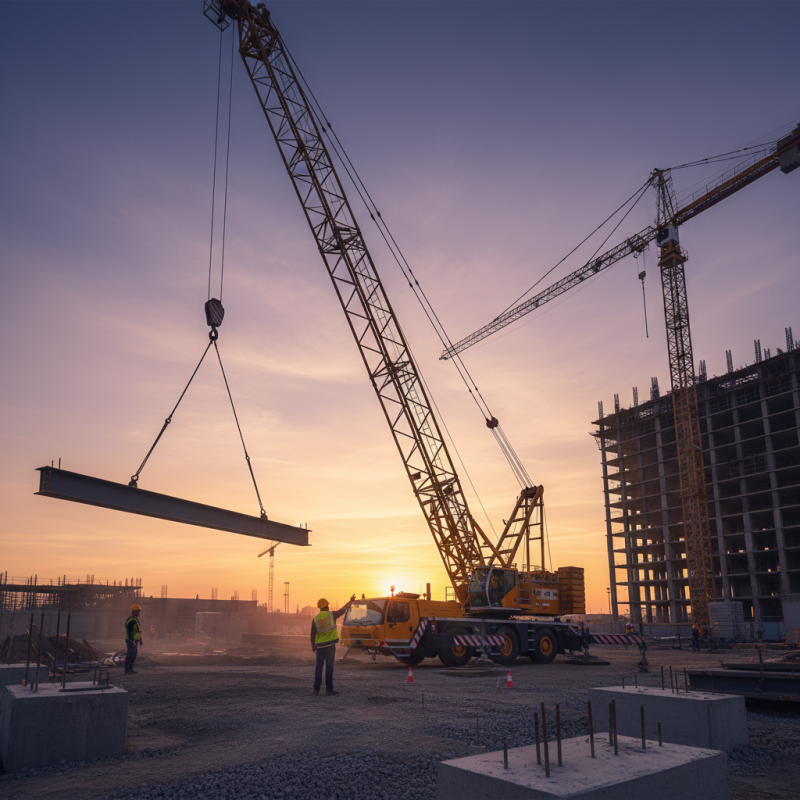
Mobile tower cranes have become essential in various construction projects. Their versatility allows them to navigate tight spaces and lift heavy materials precisely. A mobile tower crane typically features a rotating turret, a telescopic boom, and a robust counterweight system. These components work together to provide stability and lifting capacity, making them effective in urban construction environments.
One important tip for efficient use is to maintain a clear communication line among the crew. Signals should be simple and understood by everyone. Another tip is to regularly inspect the crane before operation. Look for wear and tear on cables and connections. This helps prevent accidents and enhances safety.
When operating a mobile tower crane, consider the weather conditions. High winds can jeopardize stability. It's crucial to check wind speed regularly. Operators should remain vigilant and be prepared to halt operations if conditions worsen. Training is vital. Ensuring operators are skilled and aware of safe practices can minimize risks significantly. Keeping these details in mind will enhance effectiveness and safety on-site.
Essential Preparation Steps Before Crane Operation
Before operating a mobile tower crane, thorough preparation is essential. Conducting a pre-operation inspection of the crane is crucial. Check for any visible damages or leaks. Ensure that all safety devices are functional. A missed inspection could lead to accidents.
Communication among the team is vital. Review the lift plan with all operators and ground crew members. Discuss potential hazards and establish hand signals. Sometimes, not everyone understands the plan fully. This can lead to mistakes and increased risks.
Always assess the working environment. Look for overhead power lines, uneven ground, or other obstacles. If conditions seem unsafe, pause operations to reevaluate. It’s better to wait than to rush and face potential challenges. Planning ahead can save time and ensure safety.
Mobile Tower Crane Tips for Efficient Use and Safety Measures
| Tip/Measure |
Description |
Importance Level |
| Pre-Operation Inspection |
Thoroughly inspect all parts of the crane including cables, hooks, and safety devices. |
High |
| Operator Training |
Ensure all operators are properly trained and certified to operate the crane. |
High |
| Site Assessment |
Evaluate the site conditions including ground stability and overhead hazards. |
Medium |
| Load Verification |
Always verify the weight and dimensions of the load before lifting. |
High |
| Safety Gear Usage |
Ensure all personnel in the vicinity wear appropriate safety gear including helmets and gloves. |
Medium |
| Communication Protocols |
Establish clear communication protocols among crane operators and ground personnel. |
High |
Best Practices for Efficient Load Management
Efficient load management is crucial when using mobile tower cranes. Properly managing loads not only increases productivity but also enhances safety. When lifting, operators must check the weight and center of gravity. Miscalculating these can lead to dangerous situations. Many accidents occur due to improper load balancing.
Another key aspect is communication. Clear signals between ground crew and crane operators are essential. Mixed signals can result in disastrous outcomes. Workers should establish a simple communication protocol. This may seem basic, but it is often overlooked. Regular training sessions can help reinforce these practices.
Additionally, environmental factors cannot be ignored. Wind and weather can affect crane performance. Operators should assess conditions before starting any lift. If the situation seems risky, it’s better to pause operations. Ignoring these factors can lead to severe mistakes. Reflecting on past experiences helps teams learn and improve.
Mobile Tower Crane Load Management Efficiency
Emergency Protocols and Safety Measures During Use
Mobile tower cranes play a vital role in construction. However, the risk of accidents is always present. Understanding emergency protocols can significantly enhance safety during operations.
Every operator should undergo training on emergency procedures. Familiarizing oneself with the controls and their functions is essential. Operators need to know how to quickly shut down the crane in distressing situations. Proper communication with the ground crew is crucial. Establishing clear signals can prevent misunderstandings. A simple gesture can mean the difference between safety and chaos.
During emergencies, having access to first aid kits is non-negotiable. Ensure these kits are readily available on-site. Conducting regular safety drills can help workers react calmly. Not all scenarios can be predicted. Mistakes happen. Reflecting on past incidents can guide improvements in safety practices. Encouraging open discussions about safety concerns fosters a proactive culture among the team.