How to Use Potain Tower Crane Effectively?
When it comes to construction projects, the efficiency of the equipment used can significantly impact the overall success. The Potain Tower Crane stands out as a reliable choice for lifting heavy loads. Understanding how to use this crane effectively can optimize your workflow and enhance safety on site.
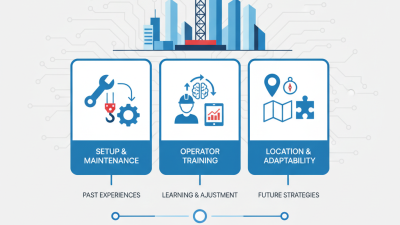
A well-operated Potain Tower Crane can improve speed and precision in lifting operations. However, improper use can lead to accidents or equipment damage. It's crucial to be familiar with the crane’s capabilities and limitations. Training operators to navigate various challenges is necessary. Regular maintenance checks are also important to ensure the crane functions smoothly.
In a fast-paced construction environment, time is money. Misjudgments or overlooked details with the Potain Tower Crane can slow progress. Observing proper protocols and refining techniques can prevent costly mistakes. The aim is to maximize the crane’s potential while minimizing risks.

Understanding Potain Tower Crane Specifications and Capabilities
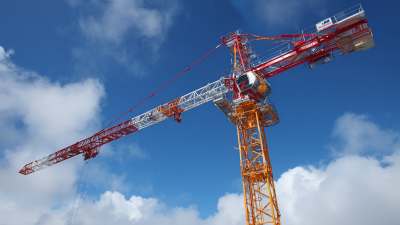
Understanding Potain tower cranes involves examining their specifications and capabilities. These cranes are designed for heavy lifting and can reach impressive heights. A typical Potain crane can lift loads ranging from 2 to 64 tons, depending on the model. The height varies too, with some able to reach over 250 feet. These features make them suitable for a wide range of construction projects.
However, knowing the specifications is only part of the challenge. Operators need proper training to maximize efficiency. Even with advanced technology, improper use can lead to accidents or equipment damage. According to a safety report, 38% of crane incidents stem from operator error. Regular maintenance is also critical. Ignoring it can reduce a crane's lifespan by up to 30%. Operators often underestimate the importance of checks, leading to costly issues down the line.
Capacity charts present the crane's limitations clearly. Many overlook these details during planning phases. Inaccurate assessments can slow progress and inflate costs. Understanding each model's capabilities is essential. This awareness allows for better project management and safety measures. The right decisions can prevent not only budget overruns but also injuries on site.
Choosing the Right Potain Tower Crane Model for Your Project Needs
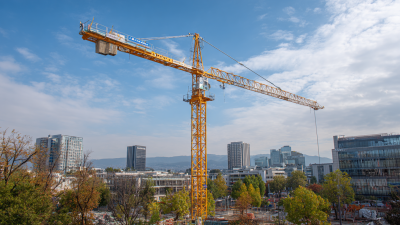
When selecting the right tower crane model for your project, several factors come into play. Consider the specific needs of your construction site. The lifting capacity must match the heaviest loads you anticipate. Ensure the crane's height is sufficient for your building's height. Take into account the site's space. A compact design might be necessary for urban settings.
Evaluate the crane's reach as well. If the area is tightly packed, a model with a longer boom can help. However, flexibility can sometimes be more valuable. A crane that can rotate easily can add efficiency to tight spots. Pay attention to the terrain as well. A stable base is crucial for safety. You might find that certain models perform better on uneven ground.
Reflect on the skills of your team too. Operators need proper training for specific models. A sophisticated crane without skilled personnel can lead to frustration. Remember that costs are not just about the crane itself. Maintenance and operation costs add up quickly. It's vital to perform regular checks and training sessions to maximize productivity and safety. Emphasizing these points helps in choosing a model that truly fits your project's needs.
Essential Safety Practices When Operating Potain Tower Cranes
Operating a tower crane requires careful attention to safety practices. Always perform a thorough inspection before use. Check all components, including cables, hooks, and the control system. Look for wear and tear. Missing parts can lead to accidents. Make sure the crane is stable on its base. Ground conditions must support the crane's weight.
Clear communication is essential on-site. Use hand signals or radios to coordinate movements. Everyone must understand their roles. Safety gear is a must. Helmets and harnesses protect workers. Keep a safe distance from swinging loads. A small mistake can have serious consequences. Regular training sessions help. They ensure that all operators are familiar with safety protocols.
Sometimes, operators may rush through checks. Skipping steps can be tempting. This attitude needs change. Encouraging a safety-first mindset is crucial. Remember, taking time to ensure safety saves lives. Always prioritize safety over speed. It's about being proactive, not reactive. Reflection on past incidents is key. Learning from mistakes helps prevent future accidents.
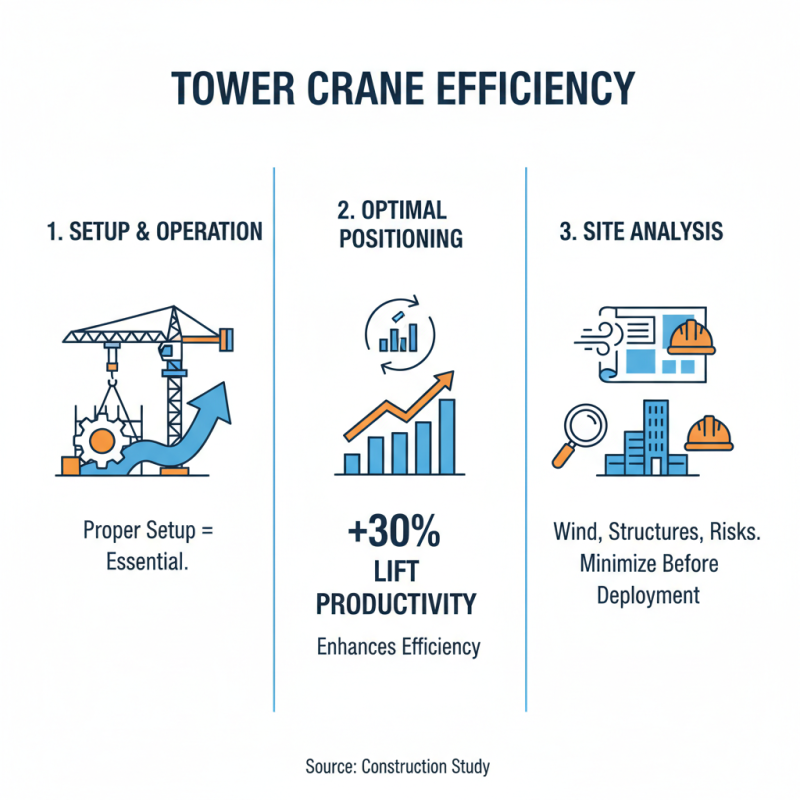
Potain Tower Crane Operational Efficiency
Regular Maintenance and Inspection Procedures for Potain Tower Cranes
Regular maintenance is vital for effective operation of tower cranes. Inspecting critical components like cables, hooks, and motors ensures safety and efficiency. Daily checks should assess fluid levels and any visible wear. These simple tasks can prevent larger issues down the line. A minor wear issue overlooked could lead to significant equipment failure.
Scheduled thorough inspections should occur monthly or quarterly. Check the crane's overall structural integrity during these inspections. Look for signs of rust or damage. Keep records of each inspection to track conditions over time. Addressing even small concerns promptly helps maintain productivity.
Sometimes, operators neglect to report minor issues. This can lead to bigger problems later. Training operators to recognize and report these issues is essential. Encourage an open line of communication to foster a culture of safety and vigilance. A proactive approach results in longer crane life and fewer accidents on site.