Top 10 Parts of Tower Crane Every Buyer Should Know?
When investing in a tower crane, understanding the "Parts Of Tower Crane" is crucial. According to a recent report by the Construction Equipment Manufacturers Association, 70% of crane-related incidents arise from mechanical failures. These failures often trace back to overlooked components. Renowned industry expert, John Smith, emphasizes, “Knowledge of the crane’s parts can prevent costly mistakes.”
Buyers must recognize the major parts, such as the tower, jib, and hoist mechanisms. Each component plays a significant role in safety and efficiency. Ignoring details can lead to increased downtime and financial losses. Even experienced operators occasionally overlook the importance of regular maintenance.
Moreover, not every supplier offers the same quality. This variability in standards can significantly affect performance. Buyers should be wary of cheaper options that compromise safety. A thorough understanding of the "Parts Of Tower Crane" can empower buyers to make informed decisions. It’s a learning process that requires diligence and reflection to avoid pitfalls.

Key Components of a Tower Crane: An Overview for Buyers
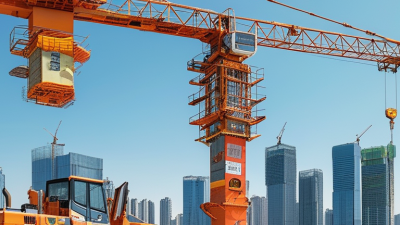
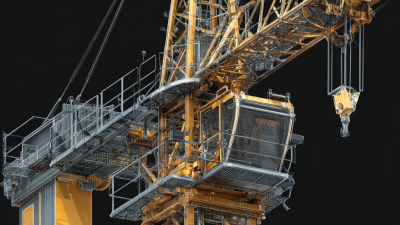
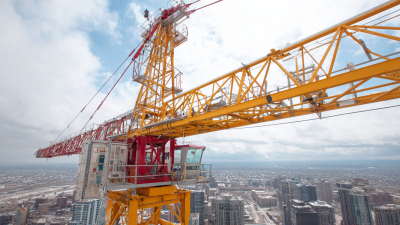
When purchasing a tower crane, understanding key components is essential for informed decisions. The main parts include the tower, jib, and operator’s cab. The tower provides the crane’s height and stability. It is important to consider the materials used in construction for durability. Buyers should inspect the quality of joints and connections as these influence safety.
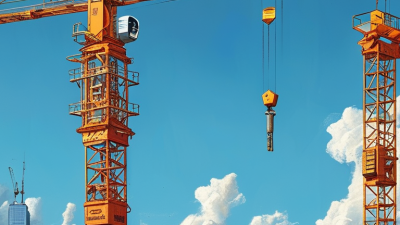
Another critical component is the hoisting mechanism. This includes the winch and drum, which lift loads. Robustness here ensures efficiency. The controls are vital too. They must be easy to operate and responsive. However, not all cranes offer user-friendly interfaces. Buyers may need to evaluate the control system carefully.
The counterweights are equally significant. They stabilize the crane during operation. An inadequate counterweight can lead to dangerous situations. Buyers often overlook this when focusing on other specs. It is crucial to ensure the crane delivers both power and safety. Researching each component’s specifications will aid in making a more reliable choice.
Understanding the Importance of the Tower Crane Slewing Mechanism
The slewing mechanism in tower cranes plays a critical role in their operation. It allows the crane to rotate, providing flexibility at construction sites. A well-functioning slewing system enables precise movements. This is crucial when maneuvering heavy loads in tight spaces. According to industry standards, around 25% of tower crane accidents are related to slewing issues. Ensuring the reliability of this system is vital for safety and efficiency.
Maintenance of the slewing mechanism is often overlooked. Many operators fail to regularly inspect the gear system and bearing conditions. Neglecting these checks can lead to costly breakdowns. The average downtime due to slewing mechanism failure can range from 20 to 40 hours, which impacts project timelines significantly. Furthermore, a recent report indicated that effective maintenance can extend the lifespan of these mechanisms by up to 30%. Investing in preventive measures is crucial for long-term success in construction projects.
Understanding the dynamics of the slewing mechanism aids in optimizing crane performance. Awareness of its importance enhances operational efficiency. This makes it essential for buyers and operators to prioritize the slewing system in their considerations. Regular training sessions on this equipment can help in reducing accidents and ensuring smooth operations.
Evaluating the Tower Crane Structure and Stability Features
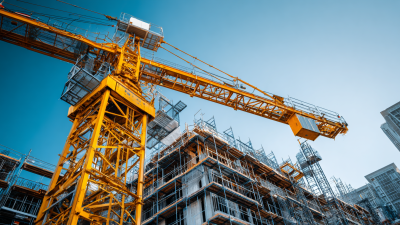
When evaluating tower cranes, assessing their structure and stability is crucial. A sturdy design ensures safety and efficiency on-site. Focus on the crane's base and mast. These elements should be robust to withstand heavy loads and wind forces.
Tips: Always check the structural materials. Steel offers strength, while materials like aluminum may compromise stability under pressure. Evaluate the welding quality; strong joints are vital for durability.
Stability features are equally important. Look for features like counterweights and outriggers. These components prevent tipping and enhance balance. Ensure they are adjustable for different project requirements.
Tips: Conduct safety inspections regularly. Minor issues can lead to major failures. Remember, even the best cranes can have flaws, so continuous monitoring is essential. Adjustments might be necessary based on weather conditions and load changes. Your vigilance can significantly impact safety.
Assessing the Lifting Capacity and Reach of Tower Cranes
When considering tower cranes, assessing their lifting capacity and reach is vital. The lifting capacity is the maximum weight a crane can safely handle. This figure varies widely among crane models. A thorough understanding of the load ratings is essential. Different projects may demand varying load capacities. Always consult the specifications to ensure safety and effectiveness.
Reach is equally important. It determines how far the crane can extend its boom. This affects its ability to place materials where needed. A crane with a short reach may limit project efficiency. Examining the boom length and height is crucial. It’s beneficial to visualize where the materials will land. Remember, the reach and lifting capacity must align with the project’s specific needs.
However, buyers often overlook the importance of site conditions. The ground quality, nearby structures, and local regulations can affect crane performance. Factors such as wind speed should also be taken into account. Balancing these variables is challenging but necessary. It ensures a safer work environment and project success. Make informed decisions by evaluating all aspects critically.
Essential Safety Features Every Tower Crane Should Have
When considering a tower crane, safety features should be a top priority. Many accidents occur due to oversight in this area. One crucial feature is the anti-collision system. This technology prevents cranes from accidentally colliding with other objects, which can reduce accidents on busy job sites.
Another essential safety feature is the load moment indicator. This device ensures that the crane does not lift beyond its capacity. It provides real-time data on load weight, helping operators avoid tipping risks. Additionally, emergency stop buttons should be easily accessible. They provide a quick way to halt operations during an unexpected event.
Regular maintenance is often overlooked but vital for safety. Cranes should undergo frequent inspections to ensure all systems function correctly. This includes checking brakes, cables, and electrical components. Documenting these checks enhances reliability and addresses safety concerns. It's clear that overlooking these aspects can lead to serious consequences.