2026 How to Choose the Best Self Erecting Tower Crane?
Choosing the best Self Erecting Tower Crane for your project can be daunting. With the construction industry expecting to grow by 5.1% annually until 2026, this equipment plays a pivotal role in meeting rising demands. The global demand for cranes is projected to reach $32.3 billion by 2025, according to industry reports. It emphasizes the importance of selecting the right equipment, specifically Self Erecting Tower Cranes.
These cranes offer unique advantages, such as reduced setup time and increased maneuverability. However, not every option on the market suits every project type. Factors such as lift capacity, height, and operational efficiency should be considered. Research shows that around 40% of construction delays stem from equipment-related issues. Therefore, choosing the right Self Erecting Tower Crane is vital to minimize risks and maximize productivity on site.
Being informed about your options is crucial. Consult with industry experts and consider data-driven insights. This approach can lead to better decisions, potentially saving thousands of dollars. While selecting a Self Erecting Tower Crane may seem straightforward, overlooking critical specifications could lead to costly mistakes. Aim for informed choices that align with project specifications to enhance overall success.
Understanding Self Erecting Tower Cranes: A Comprehensive Overview
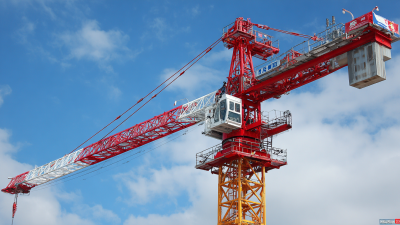
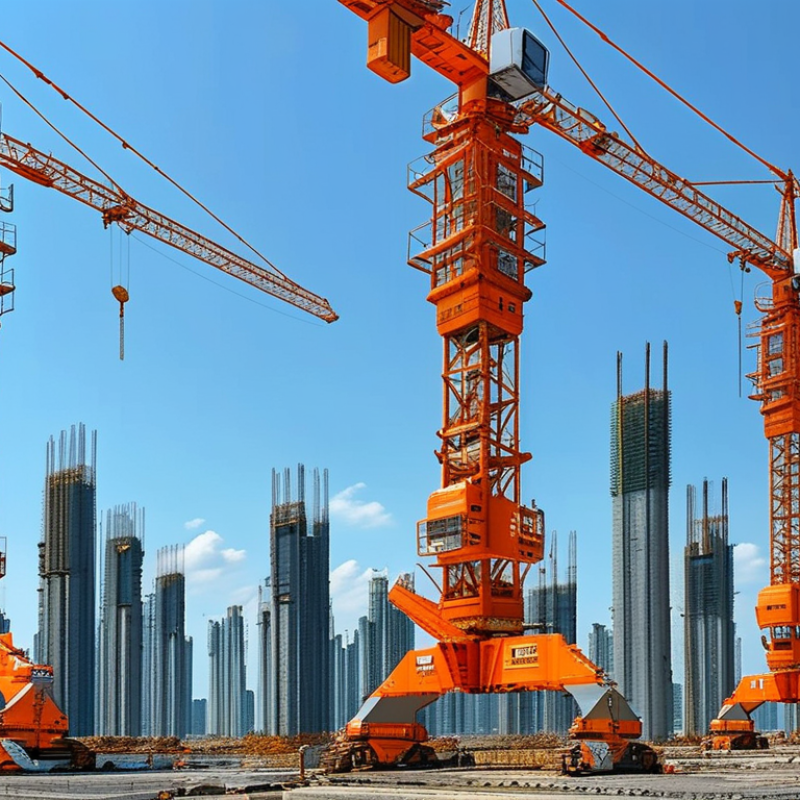
Self erecting tower cranes have revolutionized construction efficiency. They offer an impressive blend of versatility and mobility. Understanding their mechanics is essential for selecting the right model. These cranes can place materials precisely where needed, often reducing the time workers spend at heights. Their automatic setup simplifies operations, making them popular on various sites.
When choosing a self erecting tower crane, consider the height and reach required for your project. The load capacity is also crucial. Not all cranes handle the same weight, so careful assessment is key. Site conditions, such as space and ground stability, will influence your choice. A crane that seems ideal in theory may falter in practice. Regular maintenance is vital for peak performance.
It's essential to evaluate the experience of operators as well. Skilled operators can maximize efficiency and safety. However, even the best can encounter challenges, such as adapting to different site conditions. Continuous training for operators improves overall performance and reliability in unexpected situations. Such nuances matter deeply when selecting the right crane for your unique needs.
Key Factors to Consider When Choosing a Self Erecting Tower Crane
Choosing the right self erecting tower crane involves several key factors. One crucial aspect is the crane's lifting capacity. It's essential to match this capacity with the requirements of your specific project. Examine the maximum load weight your project will demand. This helps prevent overloading, which can lead to accidents.
Another factor to consider is the crane's height and reach. Ensure that the crane can operate efficiently within the height constraints of your job site. Different projects may have unique spatial requirements, making it vital to evaluate site layout. Additionally, the crane's setup and breakdown times can affect your project's timeline. Investigate how quickly the crane can be erected and dismantled.
Safety features should also be a top priority. Look for cranes equipped with advanced safety mechanisms, such as overload sensors and stabilizing systems. Regular maintenance should not be overlooked either. Inadequate upkeep can lead to unexpected failures. Reflecting on the long-term needs for reliability can greatly influence your decision when selecting a self erecting tower crane.
2026 Self Erecting Tower Crane Selection: Key Factors Analysis
Evaluating the Load Capacity and Reach of a Tower Crane
When evaluating the load capacity and reach of a self-erecting tower crane, there are several factors to consider. The load capacity indicates how much weight the crane can lift. This is crucial for any construction project. Ensure that you match the crane’s capacity to the heaviest load you anticipate. Always check the specifications provided by the manufacturer to avoid underestimating the requirements.
Reach is another vital aspect. It determines how far the crane can extend its boom. A longer reach allows for broader coverage of the job site. However, cranes with longer booms can become less stable. Understanding the operational radius is essential. Some projects may require lifting materials over obstacles, making reach even more critical.
Tips: Always consider both load capacity and reach in the context of your site’s layout. Evaluate the ground condition where the crane will be placed. Wind can affect both stability and operation—monitor conditions regularly. Don't settle for average specifications; always opt for safety margins. Inspecting the crane periodically can prevent accidents. Check certifications and inspect for wear; every crane has a limit and there are consequences for pushing those limits.
Assessing Safety Features and Stability in Tower Cranes
When selecting a self erecting tower crane, safety features and stability are crucial. Safety features include advanced braking systems and load monitoring capabilities. Cranes must also have overload protection to prevent accidents. Consider the materials used in construction, as they impact durability and stability. Strong steel frames provide better support during operations.
Stability is another key factor. Look for designs that feature a low center of gravity. This design helps to minimize tipping risks, especially in windy conditions. Operators should check the crane's base and ground conditions before operation. Inadequate ground support can lead to crane instability. Consider the crane’s maximum lifting capacity and how it affects overall stability.
It's essential to reflect on these aspects. Errors in judgment can lead to dangerous situations. Proper training and thorough inspections can help mitigate risks. Always question if the crane meets all safety regulations. Doing so ensures a safer work environment for everyone. Understanding these features deeply can shape safer, more reliable projects.
Comparing Costs: Budgeting for a Self Erecting Tower Crane Project
When budgeting for a self erecting tower crane project, costs can vary widely. A typical self erecting tower crane can range from $50,000 to $200,000, depending on size and capabilities. According to industry reports, operational costs can run between $15,000 and $30,000 per month. Maintenance is another essential cost, often requiring 5-10% of the crane’s initial price annually.
Tips for budgeting effectively include setting aside funds for unforeseen expenses. Unexpected issues can arise during a project, potentially impacting your budget. Also, research rental options. Renting can save initial costs, especially for shorter projects.
It's wise to assess the project scale and timeline. Some projects need multiple cranes, increasing expenses significantly. According to the American Crane and Transport Association, the average financial return on crane investments can hover around 20-25% when properly managed. Ensure you account for these figures to avoid overspending. Understanding the full picture of costs allows for better financial planning and management.
2026 How to Choose the Best Self Erecting Tower Crane? - Comparing Costs: Budgeting for a Self Erecting Tower Crane Project
| Feature |
Average Cost (USD) |
Installation Time (Days) |
Max Height (m) |
Lift Capacity (ton) |
| Self Erecting Feature |
$80,000 |
3 |
30 |
8 |
| Compact Design |
$75,000 |
2 |
25 |
6 |
| High Speed Lifting |
$90,000 |
4 |
35 |
10 |
| Remote Control Operation |
$85,000 |
5 |
32 |
9 |
| Energy Efficient Model |
$95,000 |
6 |
40 |
12 |