How to Choose a Potain Tower Crane for Your Project
Choosing a Potain Tower Crane is a project decision, not just a matter of selecting the tallest model. The right crane must suit the building, lifting plan, and site conditions. A narrow urban plot may need a compact base and carefully planned jib movement. A high-rise project may require greater hook height, staged climbing, and engineered ties to the structure. Small details matter.
Begin with the heaviest load, its radius, and the point where it must be placed. Then compare those requirements with the manufacturer’s load charts, rather than relying on maximum capacity alone. Check working height, jib length, available power, foundation design, and space for assembly. Delivery access matters too. A crane can fit the lifting plan but still create difficult site logistics.
Project teams should confirm these details with qualified lifting professionals and current Potain documentation. Crane configuration, wind conditions, and building progress can affect the plan. Service support and parts availability deserve attention before installation, not after a delay. I would also revisit assumptions when the site layout changes; early estimates are sometimes too optimistic. That happens. A sound choice balances lifting performance with safe operation, practical installation, and the project’s actual schedule. This guide explains the key factors to assess before choosing a Potain Tower Crane for your project.
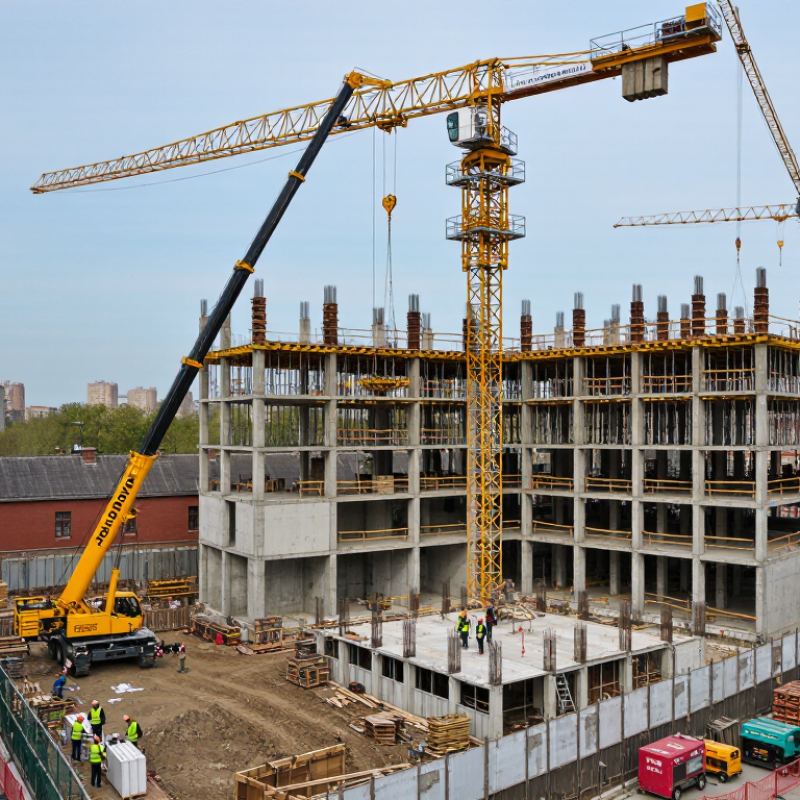
Assess Project Requirements, Workload, and Construction Schedule
Choosing a tower crane starts with the site, not a headline capacity. Measure the building footprint, required hook height, and farthest working radius. Check access roads, overhead obstructions, ground conditions, and space for assembly. A crane’s capacity changes with radius, so compare the load chart at the actual pick distance. Small detail, big consequence.
Estimate the real workload. List the heaviest routine lifts, how often they occur, and which trades need the crane at the same time. Include concrete buckets, reinforcement bundles, formwork, and mechanical equipment. One unusually heavy lift may shape the selection, but sizing around it alone can leave the crane underused. Review lift weights and sequences with the site team and a qualified lifting professional.
Then match capacity to the construction schedule. Note when the structure rises, when the crane must climb or be tied in, and when dismantling can happen. Allow for delivery windows, shift patterns, and weather-related delays. A tight schedule may require more lifting capacity or better coordination, not simply a larger crane. Early estimates can be wrong; revisit them as drawings, access plans, and subcontractor schedules change.
Compare Potain Crane Types and Configuration Options
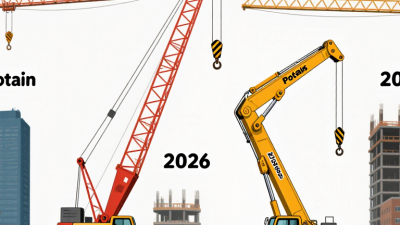
Compare tower crane types by the shape and reach of their jibs. A hammerhead crane suits projects needing broad coverage and predictable load paths. A luffing-jib model can work better on congested sites, where the jib must rise steeply to avoid nearby buildings. Flat-top designs may simplify assembly when several cranes share a busy skyline. Each choice has trade-offs.
Configuration matters just as much. Check the required hook height, working radius, and heaviest load at that radius—not only the crane’s maximum capacity. A load chart can show that capacity drops as the trolley moves toward the jib tip. Consider whether the crane will stand on a fixed base, climb inside a structure, or use external ties as the building rises. Allow space for delivery, assembly, and eventual dismantling.
Small details matter. A delivery truck’s access route or a restricted tie-in location can change the practical choice. Review wind limits, foundation conditions, and nearby obstacles with qualified lifting professionals, using current project drawings and manufacturer data. A spreadsheet helps, but it can miss awkward site constraints. I’d revisit the proposed setup after a site walk; paper plans do not always show where materials will actually be stored.
Match Lifting Capacity, Reach, and Height to Site Needs
Choosing a tower crane means matching the heaviest lift to its working radius, not relying on the headline capacity. Start with a lift schedule: record each load’s weight, pickup point, landing point, and required hook height. A 6-tonne load near the mast can demand a different setup from the same load at the jib tip. Small margins matter. Check the crane’s capacity chart at the actual radius, including rigging and lifting accessories. CTBUH’s 2023 Year in Review recorded 100 completed buildings reaching at least 200 metres, underscoring the vertical demands of urban construction. Yet building height is not hook height: allow for floor-to-floor distance, roof equipment, and safe clearance above the highest obstruction.
The U.S. Bureau of Labor Statistics recorded 1,069 fatal work injuries in construction and extraction occupations in 2022. This figure is not crane-specific, but it reinforces why lift planning and site constraints deserve close attention. Confirm that the proposed jib reaches every landing zone without forcing loads across restricted areas. Then check tower height, tie-in locations, foundation capacity, and nearby structures with the project engineer. A longer jib may improve coverage but reduce capacity at the far end. Revisit the plan when site conditions change; drawings can miss a temporary obstruction or a delivery route that shifts.
Evaluate Site Access, Foundation, Assembly, and Climbing Constraints
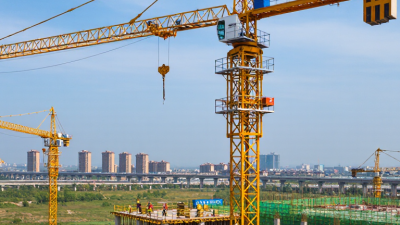
Choosing a tower crane starts with the route to the site, not just the lifting chart. Measure gate width, turning space, overhead clearance, and road capacity for component deliveries. A truck may reach the entrance but still be unable to turn or unload safely. Check where sections can be staged, and whether nearby buildings, power lines, or trees restrict assembly. Small details matter. Match the crane’s working radius and capacity to actual pick locations, including the heaviest loads and their planned positions. A site sketch helps, but a field survey often reveals awkward obstructions the drawing missed.
Foundation and erection conditions can narrow the choice further. Use geotechnical information to assess soil strength, groundwater, and settlement risk, then have qualified engineers verify foundation design against the crane’s specified reactions. Locate buried services before excavation. Also confirm that an erection crane can set up on stable ground and reach the assembly area. Climbing plans need equal care: check tie-in locations, building strength, available clearances, and the space needed for climbing equipment at each stage. It is easy to focus on the final crane height and underestimate temporary configurations. That deserves a second look. Compare the proposed setup and climbing sequence with approved technical documents, and resolve uncertainties before delivery dates are fixed.
How to Choose a Tower Crane for Your Project
Evaluate site access, foundation, assembly, and climbing constraints before selecting a crane configuration.
Illustrative screening scores (1 = lower priority, 5 = higher priority), not measured industry data or engineering specifications. Confirm access routes, ground-bearing capacity, assembly space, tie-in locations, and climbing clearances for the specific project.
Check Safety Compliance, Service Support, and Total Ownership Costs
How to Choose a Tower Crane for Your Project
Check Safety Compliance, Service Support, and Total Ownership Costs
A crane that fits the lift plan may still be a poor project choice if its safety documentation or service network is weak. Check configuration-specific manuals, inspection records, load charts, and operator training requirements. Confirm that the proposed setup meets applicable local standards, including site wind limits and foundation requirements. NIOSH’s report, “Crane-Related Fatalities in the Construction Industry, 2011–2017,” recorded 297 construction crane-related fatalities during that period. The figure is a reminder to treat safety checks as practical risk controls, not paperwork.
Ask how quickly technicians can reach the site, which critical parts are stocked nearby, and what response times are written into the service agreement. Then compare total ownership costs, not just the purchase or rental quote. Include transport, erection, inspections, operators, energy, repairs, dismantling, and likely downtime. Request a cost schedule across the planned project period. Estimates are never perfect; a spreadsheet can miss a delayed delivery or a hard-to-source component.
Tips: Walk the site with the lift plan in hand. Check access routes, ground conditions, and nearby obstructions. Ask for recent service records and a clear breakdown of exclusions. If support promises sound vague, get them in writing.