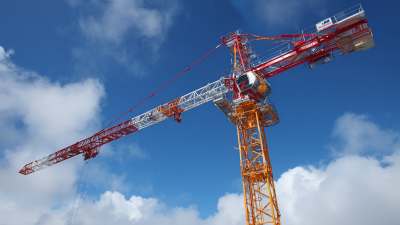
2026 Best Potain Tower Crane Models for Global Buyers?
Choosing a Potain Tower Crane for a global project requires more than comparing lifting capacity and boom length. In 2026, buyers must examine transport limits, site access, wind conditions, power supply, rental support, and operator training. A crane that performs well in Dubai may need different configurations in London, Jakarta, or São Paulo. Local conditions matter.
Aaron Ravenscroft, President and CEO of The Manitowoc Company, has often emphasized a practical principle: “The right equipment must match the customer’s application.” That idea guides this review. Potain Tower Crane models are assessed through real project needs, including urban construction, infrastructure work, residential towers, and industrial facilities. We will look at load charts, maximum jib lengths, climbing options, assembly requirements, and digital monitoring features.
Specifications can look impressive on paper. Reality is less tidy. A compact crane may reduce transport costs but limit heavy lifting at long radii. A high-capacity model may improve productivity but demand stronger foundations and more complex installation planning. Buyers should also verify current availability, regional certification, after-sales coverage, and spare-parts access before placing an order.
This guide compares leading 2026 Potain models for international buyers. It focuses on usable performance, not marketing language alone. Some recommendations may remain conditional. Project data changes. Supplier support varies. Careful evaluation still wins.
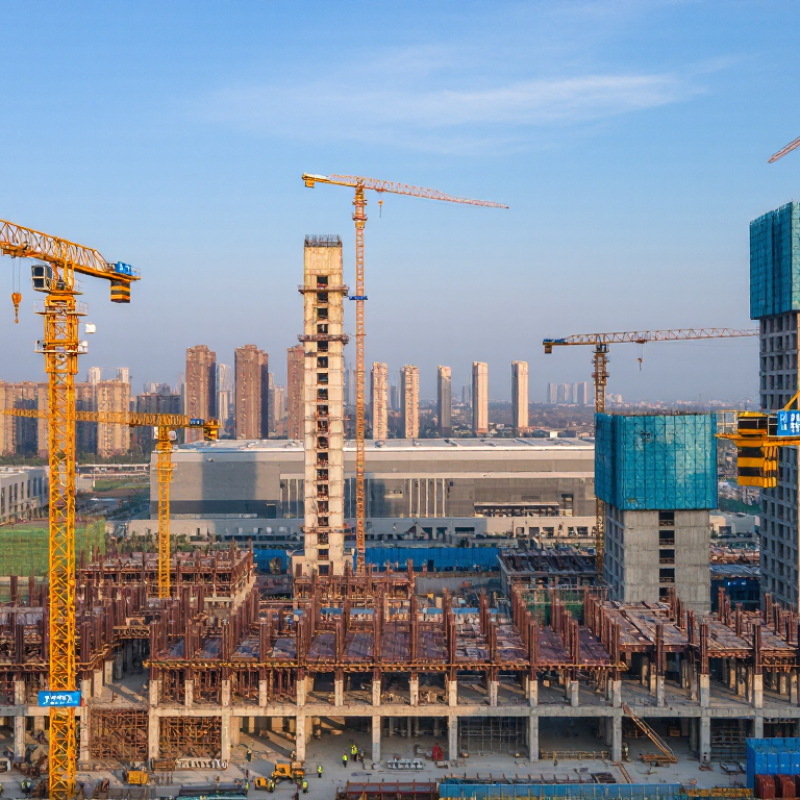
What Makes Potain Tower Cranes Suitable for Global Buyers in 2026
For global buyers in 2026, a tower crane must fit the jobsite, not just the lifting chart. Urban plots often leave little room for assembly, storage, or truck access. Compact transport sections, clear setup instructions, and practical climbing options can reduce pressure on crowded sites. The United Nations projects that nearly 68% of the world’s population will live in urban areas by 2050. That trend makes reach, tie-in planning, and reliable local service important purchasing criteria. Small details matter. A poorly placed power connection can still slow a shift.
Efficiency also deserves a close look. The 2023 Global Status Report for Buildings and Construction, led by the UN Environment Programme, estimates that buildings account for about 34% of global energy demand and 37% of energy- and process-related carbon emissions. A crane does not solve that challenge alone. Buyers can compare energy use, load monitoring, maintenance access, and idle-time controls alongside capacity and lifting speed. Ask suppliers for operating data from comparable sites, not only ideal test conditions. That evidence may be uneven, and it should be checked. Local spare-parts coverage, operator training, and clear documentation can matter as much as headline performance when a project is far from the supplier.
How Potain Tower Crane Models Are Classified by Design and Capacity
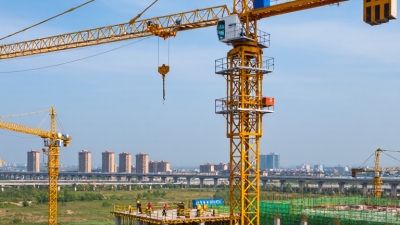
Tower crane models are classified by design before capacity. Top-slewing cranes suit high-rise sites because their jibs rotate above the structure. Flat-top designs simplify transport and assembly, especially where several cranes must overlap. Luffing-jib cranes work better beside airports, narrow streets, or neighboring buildings. Self-erecting cranes fit smaller projects and shorter schedules. They are practical, but their reach is limited.
Capacity needs a closer reading. Buyers should compare maximum load, load moment, jib length, and tip capacity. A crane lifting 10 tonnes near the mast may lift only 2 tonnes at the jib tip. That difference changes daily productivity. Under ISO 4301-3, duty classification reflects working cycles, not merely advertised tonnage. A warehouse project and a tower core may need different classifications.
The Global Construction 2030 study by Global Construction Perspectives and Oxford Economics projected 85% construction growth between 2015 and 2030. That expansion increases demand for adaptable lifting equipment. However, fleet decisions should use site data, not market excitement. Check wind limits, foundation pressure, power supply, climbing height, and local inspection requirements. According to the 2024 Global Status Report for Buildings and Construction, buildings remain responsible for about 32% of global energy use, reinforcing pressure for faster, more efficient delivery. I would still question one common assumption: the largest crane is rarely the best crane. A smaller unit, correctly positioned, may reduce assembly time, transport cost, and idle hours. Mistakes happen here. A capacity chart cannot replace an experienced lift plan.
2026 Best Potain Tower Crane Models for Global Buyers? - How Potain Tower Crane Models Are Classified by Design and Capacity
A brand-neutral classification guide for comparing tower crane configurations, capacity ranges, operating height, and typical project applications.
| Crane Class |
Structural Design |
Typical Maximum Rated Capacity |
Typical Capacity at Maximum Jib |
Typical Maximum Jib Length |
Typical Free-Standing Height |
Best-Suited Applications |
Main Selection Advantage |
| Compact Self-Erecting Crane |
Telescopic or folding tower with an integrated chassis and hydraulic erection system. |
1–8 t |
0.8–1.5 t |
20–45 m |
15–35 m |
Low-rise housing, residential extensions, small commercial buildings, and short-duration projects. |
Fast deployment |
| City-Class Top-Slewing Crane |
Compact tower sections with a top-slewing mechanism designed for restricted urban sites. |
4–12 t |
0.8–2.0 t |
30–55 m |
25–50 m |
Urban residential buildings, renovation work, narrow construction sites, and medium-size commercial projects. |
Small footprint |
| Flat-Top Crane |
Horizontal jib without a high A-frame; cranes can work closer together with reduced top obstruction. |
6–25 t |
1.0–3.0 t |
40–80 m |
35–80 m |
General building construction, infrastructure, industrial facilities, and multi-crane sites. |
Flexible site layout |
| Hammerhead Crane |
Horizontal jib supported by a tower-top machinery frame and trolley system. |
8–40 t |
1.5–4.0 t |
45–85 m |
40–90 m |
High-rise buildings, bridges, power facilities, industrial construction, and heavy structural work. |
High lifting performance |
| Luffing-Jib Crane |
Jib angle changes vertically to reduce the working radius and improve clearance in dense areas. |
6–32 t |
2.0–6.0 t |
30–60 m |
45–150 m with climbing sections |
Dense urban sites, high-rise construction, restricted airspace, and projects with limited oversailing room. |
Excellent clearance control |
| Heavy-Duty Flat-Top Crane |
Reinforced tower, jib, trolley, and hoist system for high-capacity repetitive lifting. |
25–80 t |
3.0–8.0 t |
50–90 m |
50–100 m |
Large industrial plants, precast concrete, shipyard work, power projects, and major infrastructure. |
High peak capacity |
| Climbing High-Rise Crane |
Top-slewing crane configured for internal or external climbing as the structure rises. |
8–50 t |
1.5–5.0 t |
45–80 m |
Above 150 m with climbing systems |
Supertall buildings, towers, major hotels, and high-rise concrete-frame construction. |
Growth with the structure |
Technical note: The figures are representative industry ranges for equipment classification and preliminary comparison. Actual capacity, jib length, free-standing height, anchoring requirements, hoist speed, and electrical specifications vary by configuration, tower combination, counterweight arrangement, wind zone, and local regulations. Always verify the manufacturer’s load chart and the applicable lifting-safety standard before purchase or operation.
What Global Buyers Should Check Before Choosing a Potain Model
Choosing a tower crane model starts with the worksite, not the brochure. Measure the heaviest lift, its radius, and the hook height needed during peak construction. Then compare the load chart at that radius; maximum capacity alone can mislead. Small detail, big consequence. Check whether the crane can fit the site’s access roads and available assembly area.
Urban projects may favor compact bases and controlled slewing, while open sites can prioritize reach and climbing options. Ask for configuration drawings, foundation reactions, tie-in spacing, and power requirements for the exact setup. Confirm local service coverage, operator training, spare-part lead times, and access to qualified technicians. These details vary by country. Don’t assume.
Compare transport weights and package dimensions with port handling limits and the route from port to site. Review wind limits for erection and operation, plus the planned dismantling sequence. Request recent inspection records and a clear account of any used equipment’s repair history. Have an independent lifting specialist check the duty cycle against the real schedule, not an optimistic estimate. That check may expose a mismatch. Even experienced teams can overlook one.