How to Choose the Right Liebherr Tower Crane for Your Project?
Choosing the right Liebherr Tower Crane for your project is crucial. Factors like load capacity and height matter. Each project has unique demands. The Liebherr Tower Crane offers versatility. Users can find models for various tasks.
Consider project specifics. What are the height and weight requirements? Think about the site’s layout. Not all cranes fit every location perfectly. You might face challenges with smaller spaces. The right crane can enhance efficiency.
Reflect on operational aspects too. Maintenance needs can vary significantly. Some models might require more attention. Ensure your team is prepared for these demands. Making informed choices can lead to project success. Explore the options carefully and weigh the pros and cons.
Understanding the Different Types of Liebherr Tower Cranes
When choosing a tower crane, understanding the different types is crucial. There are several options available, each designed for specific needs. The flat top crane is popular for its versatile design. It offers ease of assembly and is suitable for urban areas. These cranes can navigate tight spaces effectively.
Luffing jib cranes are another choice. They excel in projects with space constraints. The luffing action allows the crane to lift loads at steep angles. This feature minimizes the swing of loads, increasing safety. However, they require more complex operation and maintenance.
Choosing the wrong type can lead to delays. It’s essential to analyze the project site carefully. Consider the height, weight capacity, and work envelope. Factors like wind conditions should also be evaluated. Making a hasty decision can complicate the construction process. Each crane type has its pros and cons. Reflect on your specific project needs before proceeding.
How to Choose the Right Tower Crane for Your Project?
| Crane Type |
Maximum Load Capacity (ton) |
Max Height (m) |
Working Radius (m) |
Application Area |
| Hammerhead Crane |
10 |
50 |
30 |
High-rise buildings |
| Luffing Jib Crane |
12 |
60 |
25 |
Tight spaces |
| Flat Top Crane |
8 |
55 |
28 |
Large construction sites |
| Self-Erecting Crane |
6 |
30 |
20 |
Small to medium sites |
Assessing Your Project Requirements and Specifications
When selecting the right tower crane for a project, assessing the specific requirements is crucial. Consider the height, lifting capacity, and reach needed for the job. For instance, according to the Global Tower Crane Market Report 2022, projects requiring heights above 50 meters typically benefit from cranes that offer a vertical reach of 60 meters or more. This height needs precise calculations to ensure safety and effectiveness.
Weight plays a critical role too. Projects with heavy loads demand cranes with a lifting capacity of 10 tons or more. However, developer reports suggest that overloading can lead to catastrophic failures. Regular inspections and adherence to safety specifications should not be overlooked. Additionally, the site layout influences crane choice. Narrow sites may require smaller models with unique maneuverability.
Beyond these details, reflect on the equipment’s integration with other machinery. Poor coordination can lead to inefficiencies. Studies show that up to 30% of project delays stem from equipment mismatches. Regular communication with project teams is vital to streamline the lift plan and avoid such issues. Keeping track of all these factors is key to successful project execution.
How to Choose the Right Liebherr Tower Crane for Your Project?
This chart illustrates the parameters to consider when selecting a tower crane for construction projects. The data includes the lifting capacity, maximum height, and boom length critical for meeting various project needs.
Evaluating Load Capacity and Reach of Tower Cranes
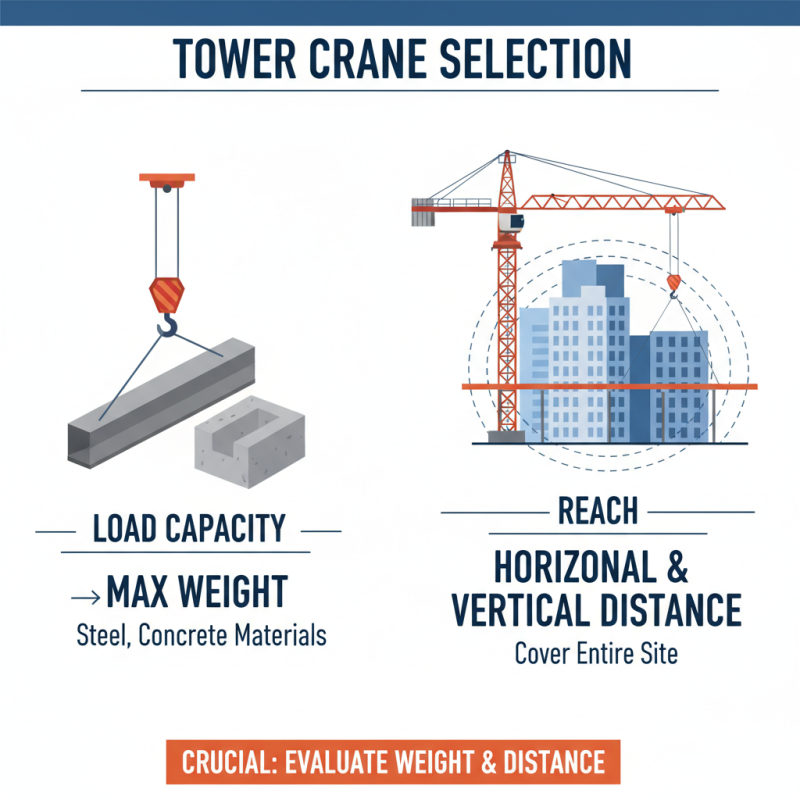
When selecting a tower crane for your project, evaluating load capacity and reach is crucial. Load capacity refers to the maximum weight a crane can lift. Consider the heaviest materials you will be using. Are you lifting steel beams, concrete, or other heavy items? You should ensure that the crane can handle those weights comfortably.
Reach is about how far the crane can extend. It determines the working radius of the crane. Both horizontal and vertical reaches matter. Think about the layout of your site. Will the crane need to reach over obstacles? Also, consider the height of buildings nearby. A crane needs sufficient reach to access all areas of your project without interference.
Sometimes people overlook these factors. They focus too much on the brand or model rather than specific needs. Evaluating your project’s requirements is essential. Not every crane will fit every job. Make a list of your requirements and test different models to find the best match. It is not uncommon for project specifications to change, which can impact your initial choices. Be prepared to reevaluate and adapt your selection as needed.
Considering Site Conditions and Accessibility for Installation
When selecting a tower crane for your project, site conditions and accessibility for installation are crucial. You need to assess the terrain, nearby structures, and the available space for the crane. Narrow streets or uneven ground can complicate the installation process. Watch for overhead hazards, too. They can severely limit your options.
Tips: Evaluate the soil stability. Soft or unstable ground may require additional support. Consider wind exposure, especially in elevated locations.
Accessibility is key. Ensure that transport vehicles can reach the site easily. A cramped site might restrict crane assembly. Small sites can lead to delays if logistics aren't planned well. It is essential to think about these factors early on.
Tips: Map out the crane's path. Know where it will move and set up. This foresight saves time and costs. Anticipating challenges can help you avoid setbacks. Adaptability is necessary in project planning. The best decisions come from understanding the environment and constraints.
Analyzing Cost and Budget Implications for Crane Selection
Cost considerations are vital when selecting a tower crane for any construction project. The initial purchase price is only one aspect. Maintenance costs, operational expenses, and potential downtime also impact the budget. A heavy-duty crane may seem costly upfront. However, it could save money in the long run due to fewer repairs. Look closely at these factors to ensure the right choice.
Project size influences crane selection and associated costs. For smaller projects, a compact model might suffice. Larger sites may require a more robust option. Rental might be an appealing choice, especially if budget is tight. Yet, unexpected fees can arise, leading to overspending. Think carefully about the long-term needs of the project.
Additionally, consider the complexity of the project. Cranes with advanced features may offer efficiency but often come with higher costs. If the project timeline is tight, a more efficient crane could lead to savings through faster completion. Always weigh the benefits against potential overreach in budget. The goal should be effective project management while avoiding unnecessary financial strain.