How to Find the Best Tower Cranes Pictures for Your Projects?
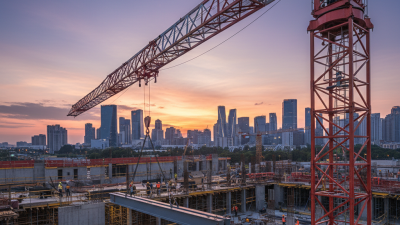
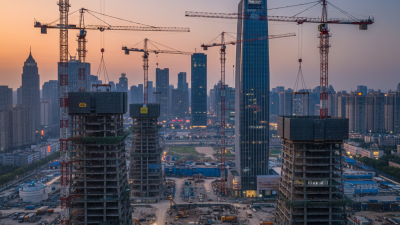
Finding the best Tower Cranes Pictures is essential for any construction project. These images do more than just illustrate; they showcase the engineering marvels that tower cranes represent. In selecting the right pictures, it’s important to focus on clarity and context. High-quality images can capture details and scale, allowing you to visualize how these cranes operate on-site.
When looking for Tower Cranes Pictures, consider reputable sources. Industry websites, architectural magazines, and construction galleries often feature the latest models. However, don’t limit yourself to mainstream options. Social media platforms, such as Instagram, can provide unique perspectives and user-generated content. You may find some images with limitations, too. Check the licensing agreements to ensure you can use them in your projects.
Ultimately, the goal is to find images that resonate with your vision. Quality matters, but so does authenticity. Seek out pictures that tell a story and provide useful insights. This approach will enhance your project’s credibility and allow you to communicate effectively with your team. Keep in mind, it’s an ongoing process that may require trial and error. Be open to refining your choices as you discover what you truly need.
Identifying Your Project's Specific Crane Requirements
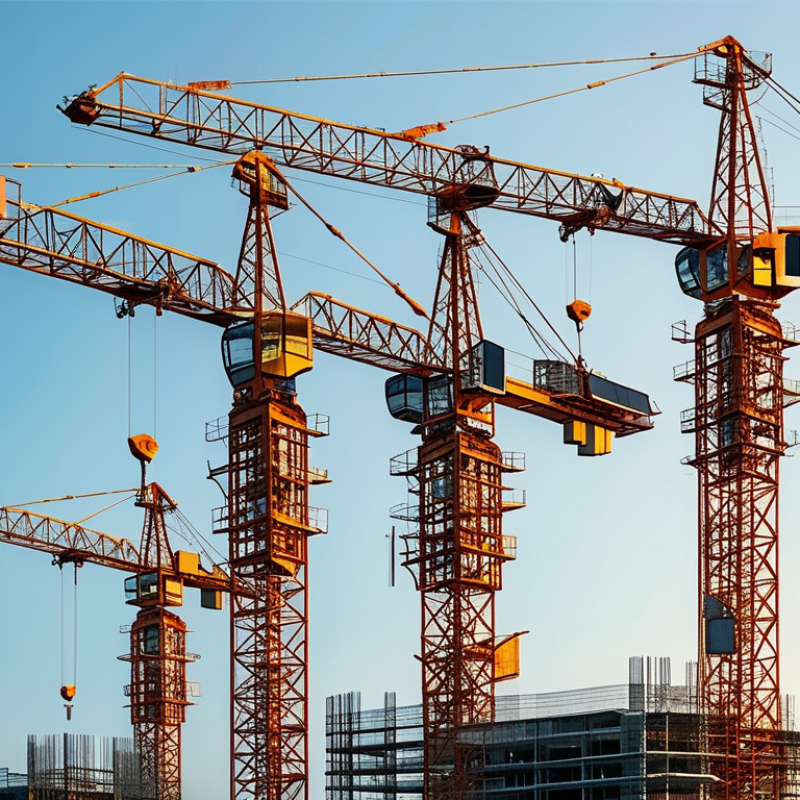
When starting a construction project, identifying specific crane requirements is crucial. Analyze the site layout carefully. Consider dimensions, height restrictions, and ground conditions. Each project has unique needs. For example, urban areas may require compact cranes. On the other hand, large open sites can accommodate bigger models.
Understanding your load requirements is equally important. Calculate the maximum weight the crane must lift. This calculation helps avoid selecting an underpowered machine. Equally vital is the reach of the crane. Determine how far the crane needs to extend to access all areas of the site. A crane that cannot reach its intended target can cause delays and safety hazards.
It's essential to involve experienced professionals in this phase. They can provide insights based on past projects. Make sure to consider any potential obstacles as well. Reflections from previous assignments often highlight areas of concern. This helps in selecting the most suitable crane for your project. Keep an eye on evolving technologies in crane design as well. They can lead to improved efficiencies and capabilities.
How to Find the Best Tower Cranes Pictures for Your Projects? - Identifying Your Project's Specific Crane Requirements
| Project Type |
Required Lift Capacity (Tons) |
Maximum Height (Meters) |
Site Conditions |
Recommended Crane Type |
| High-Rise Building |
20 |
150 |
Urban Area |
Top Slewing Tower Crane |
| Residential Development |
10 |
80 |
Suburban Area |
Self-Erecting Tower Crane |
| Industrial Facility |
30 |
120 |
Open Ground |
Luffing Jib Crane |
| Bridge Construction |
25 |
100 |
Mixed Terrain |
Hammerhead Crane |
| Commercial Complex |
15 |
90 |
Urban Area |
Flat Top Tower Crane |
Types of Tower Cranes and Their Visual Representations
When exploring tower cranes, visuals play a crucial role. Different types of tower cranes serve unique purposes. For instance, the flat-top tower crane is popular due to its versatility and ease of assembly. It can reach heights of up to 1,000 feet, allowing for expansive construction sites. A recent report from the Tower Crane Manufacturers Association noted that flat-top cranes constitute 35% of the market, highlighting their prominence.
The luffing jib crane is another type worth noting. It excels in tight spaces and can operate in congested urban areas. This crane type requires careful planning and accurate visual representations. In fact, studies indicate that images showcasing such cranes in action can increase project stakeholder understanding by 40%. Effective visuals help convey the crane’s capabilities, enhancing project communication and planning.
Selecting the right images of tower cranes is essential. Not every image captures the operational nuances. Poor-quality visuals may misrepresent a crane's features. Industry experts emphasize the need for clarity and context in images. Without this, confusion can arise among team members. When searching for tower crane pictures, ensure they display not only the crane but also the surrounding environment. This helps in appreciating the crane's scale and application.
Searching for High-Quality Images: Best Platforms to Use
When searching for high-quality images of tower cranes, consider various platforms that cater to the construction industry. Websites like Unsplash and Pexels offer a plethora of free images. Quality is essential; blurry or poorly lit photos may fail to capture the cranes' scale and detail. Utilizing industry-specific forums can also lead to valuable resources. Many professionals share their high-quality work for others to use, though attribution may be required.
Selecting the right images is crucial. Research shows that visual content increases understanding by 94% (Source: Brain Rules). This statistic underlines the importance of choosing clear, professional images for presentations and proposals. Focus on construction-focused stock photography sites. They often feature images taken by experienced photographers who understand the engineering aesthetics of tower cranes. However, it is essential to have permission for commercial use, as usage rights can be complex.
A common oversight is neglecting image resolution. High-resolution images help highlight intricate details, crucial for project proposals. But many users stop at merely finding images. They fail to ensure these images reflect the exact specifications needed for their projects. Make it a habit to regularly review and refine your image sources to keep up with the industry trends.
Most Popular Online Platforms for Finding High-Quality Tower Crane Pictures
Evaluating the Credibility of Tower Crane Image Sources
When searching for reliable tower crane images, evaluating the source's credibility is crucial. Many online platforms offer crane photos, but not all are equally trustworthy. A recent report from the Construction Industry Institute indicates that image quality can significantly affect project outcomes. The right visuals can influence decisions and perceptions about safety and efficiency.
Check the credentials of the websites providing these images. Are they reputable within the construction community? Look for platforms backed by industry experts or associations. A reliable source typically provides context, such as project information or usage guidelines. This enhances the image's value and provides pertinent details.
Sometimes, low-quality images appear on professional sites. These can misrepresent the crane's capabilities or safety features. It’s important to be critical of what you see. Just because an image is clear doesn’t mean it reflects accurate information. Validate the image through additional sources. Seek images that come with detailed descriptions or usage samples. They often reveal more about the crane’s applications and specifications, which is invaluable for project planning.
Tips for Properly Utilizing Cranes Pictures in Your Projects
When it comes to utilizing crane pictures effectively in your projects, understanding their context is essential. Professionals in the construction industry often face challenges related to selecting relevant images. According to a report by the International Journal of Construction Management, nearly 70% of projects fail to convey accurate depictions of crane operations due to poor image selection.
Choosing the right crane pictures can aid in project communication. Here are a few tips: Always ensure the images represent the specific type of crane used, as different cranes serve unique purposes. For instance, tower cranes are vital for high-rise projects. Additionally, consider the angles and lighting of the pictures. Clear, well-lit images eliminate confusion about the crane's capabilities.
Another crucial aspect is to align the pictures with the project’s goals. If your project focuses on safety, select images that highlight operational safety practices. In a recent survey, 55% of construction professionals stated that visuals in presentations enhance audience understanding. Reflect on how the images you choose impact the message. Misleading visuals can result in unnecessary risks and misunderstandings among stakeholders.