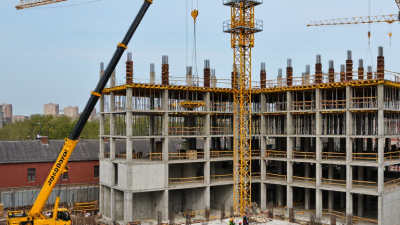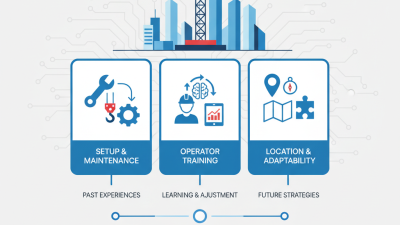
Choosing a Potain Tower Crane for 2026 starts with the jobsite, not the brochure. A tight urban plot may need a compact footprint and precise load control. A large commercial project may demand greater reach, higher capacity, or efficient climbing as the structure rises. The right choice depends on the heaviest lift, working radius, site access, assembly plan, and local service support.
This guide compares seven Potain tower cranes for sale, including options suited to different project scales and site conditions. We look beyond headline capacity. Buyers should also examine load charts at working radius, jib configuration, transport needs, operator controls, and the availability of parts. A crane that fits the lift on paper may still create delays if delivery, setup, or maintenance is overlooked. Details matter.
One request needs verification: no source or named Potain expert was provided, so I can’t responsibly attribute a quotation to a real person. A useful selection principle is: “Match the crane to the lift, the site, and the work sequence—not capacity alone.” Treat that as editorial guidance, not a sourced expert quote. The rankings should also be checked against current regional listings, since sale status and configurations can change. A careful comparison helps buyers narrow the field, but the final choice still needs project-specific engineering review.
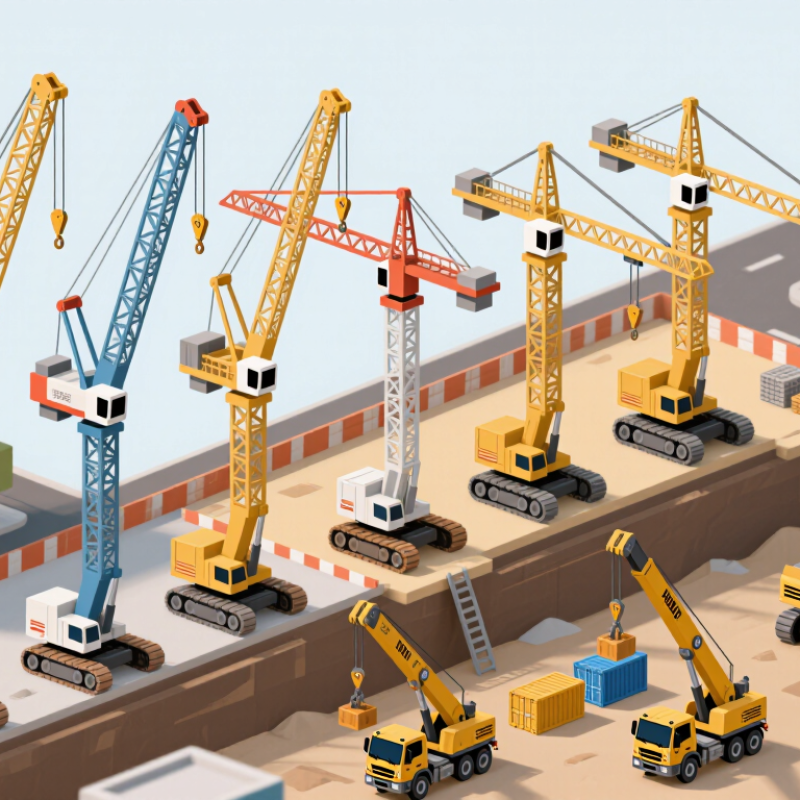
Tower cranes come in several configurations, each suited to a different site. Hammerhead models use a horizontal jib and trolley, making them practical for moving loads across broad work areas. Luffing-jib cranes raise and lower the jib, which helps when buildings stand close together. Self-erecting cranes are smaller and can be assembled quickly for low-rise projects. Space is tight. The right type depends on the site, not just the building height.
Typical uses include lifting rebar, formwork, steel sections, and equipment between ground level and upper floors. Before choosing a crane, compare the load chart with the heaviest planned lift and its working radius. A load that is safe near the mast may exceed limits near the jib tip. Check available jib lengths, hook height, climbing options, and required tie-ins. These details shape both daily lifting plans and installation needs.
Controls, visibility, and maintenance access matter during long shifts. Look for clear operating displays, dependable limit systems, and service points that crews can reach safely. Wind conditions also affect crane operation, so site teams should follow the equipment manual and approved lift plans. A neat spreadsheet still misses things: nearby structures, delivery routes, or a crowded setup area can change the practical choice. Details matter. Walk the site and verify dimensions before comparing machines for sale.
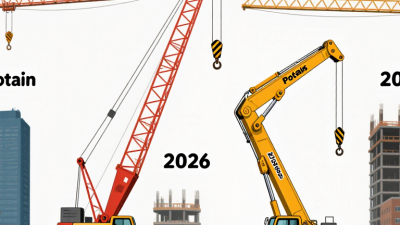
Selecting seven tower-crane models for 2026 projects starts with the jobsite, not the brochure. Compare self-erecting, compact hammerhead, flat-top, topless, luffing-jib, high-capacity, and climbing-crane options. Check each load chart at the required working radius; a crane’s headline capacity can be misleading. Measure the site’s tightest access route, nearby structures, and available foundation area. Small details matter.
Match each profile to the project. Self-erecting cranes can suit low-rise sites with limited setup space. Luffing jibs may help where neighboring buildings restrict swing clearance. Flat-top or topless designs can simplify multi-crane coordination, while climbing systems support taller structures. For every candidate, verify hook height, jib length, lifting speed, power supply, and local service support. Ask for the actual load chart and configuration drawings. A paper match is not enough. I have seen early estimates miss access constraints; that deserves a second look.
Tips: Compare the lift needed at the farthest pick, not just maximum tonnage. Confirm transport dimensions and assembly requirements before ordering. Request recent inspection and maintenance records, then have a qualified crane professional review the proposed setup.
Choosing a tower crane for a 2026 project means matching its working envelope to the site, not just comparing maximum capacity. A published capacity figure applies at a specific radius and configuration. Check the load chart for the heaviest planned lift, then confirm its required radius, hook height, and lifting frequency. A crane may handle a heavy load near the mast but carry much less at the jib tip. Small details matter.
Tips: Ask for the complete load chart and configuration drawing. Compare jib length, mast height, tie-in requirements, and available power. Check delivery access and assembly space, too. A longer jib can improve coverage, but it may not solve every obstruction. Leave room.
For a compact urban site, a shorter jib and carefully planned mast height may reduce conflicts with nearby structures. A broad site may benefit from greater reach, provided the chart supports the required loads at that distance. Verify foundation reactions and tie-in locations with qualified project professionals. These checks affect cost, schedule, and safe operation. Do not rely on a single headline capacity number. It is easy to overlook. Plans also change; allowing some capacity margin can help, though excess capacity may increase rental and setup costs. The right choice depends on actual lifts, site constraints, and the final configuration.
A tower crane’s asking price is only the first number to compare. The 2024 International Construction Market Survey reported average construction-cost inflation of 3.9% across surveyed markets. That figure is not crane-specific, but it signals why older quotations may miss current transport, steel, and labor costs. Ask for an itemized offer: mast sections, climbing equipment, trolley, hoist, freight, installation, and commissioning. Small omissions add up.
Availability varies by city and season. The RLB Crane Index tracks tower-crane numbers in selected markets, offering a useful snapshot of local construction activity—not a promise that a suitable unit is ready to ship. Check the serial-numbered configuration, inspection records, and delivery window. A crane sitting in a distant yard can bring extra freight, storage, and rigging costs. Timing matters.
Ownership costs continue after installation. Budget for operator training, scheduled inspections, spare parts, power use, insurance, and dismantling. Compare these with rental costs over the planned project duration, including idle weeks. Check the fine print. I would still question any “low-cost” quote that excludes service response times; a stalled lift can disrupt several trades. Ask for realistic maintenance assumptions, not a perfect-world spreadsheet.
Buying a used tower crane in 2026 starts with matching the machine to your project, not chasing the lowest price. Confirm its model, year, mast configuration, jib length, and counter-jib arrangement against the seller’s records. Ask for maintenance logs, load charts, inspection reports, and a list of replaced parts. Missing paperwork matters. Compare the stated configuration with the sections and accessories on site.
Inspect mast connections, pins, welds, and visible corrosion under good lighting. Check wire ropes for broken strands, flattening, or uneven winding. Look for leaks around hydraulic components and listen for unusual noise during a controlled operating test. Have a qualified crane technician assess the brakes, limit devices, electrical systems, and slew bearing. A fresh coat of paint can look reassuring, but it does not prove sound condition. I would treat unexplained repairs as a reason to pause, not as a minor detail.
Before agreeing on a price, confirm that the crane’s working radius, lifting capacity, and available height suit the site. Verify foundation requirements with the project engineer, and budget for transport, assembly, commissioning, and likely replacement parts. Ask what support and spare components are realistically available. Compare the seller’s claims with the documents and physical condition; small inconsistencies can reveal bigger gaps. A careful inspection takes time. It is still cheaper than discovering a mismatch after delivery.
| Configuration | Typical Maximum Capacity | Typical Jib Length | Common Applications | Key Inspection Checks | Buying Checks |
|---|---|---|---|---|---|
| Compact hammerhead | About 4–6 tonnes | About 30–45 m | Low- to mid-rise residential work and restricted sites | Inspect mast sections, climbing frame, trolley, ropes, and limit devices. | Confirm transport dimensions, available foundation details, and parts support. |
| Light-duty hammerhead | About 6–8 tonnes | About 40–55 m | Housing, small commercial buildings, and general construction | Check structural connections, slewing system, brakes, and the condition of wire ropes. | Compare the load chart at the required working radius, not just maximum capacity. |
| General-purpose hammerhead | About 8–12 tonnes | About 50–65 m | Mid-rise construction and sites with a broad lifting area | Review inspection records, mast straightness, turntable condition, and safety systems. | Verify mast-section compatibility, power requirements, and tie-in arrangements. |
| Heavy-duty hammerhead | About 12–20 tonnes | About 60–75 m | Large commercial projects and heavier prefabricated components | Check the hoist mechanism, rope reeving, structural fatigue indicators, and brakes. | Request the complete load chart and confirm capacity at the longest planned radius. |
| High-capacity hammerhead | About 20–32 tonnes | About 65–80 m | Infrastructure, industrial construction, and heavy component handling | Arrange a qualified structural and mechanical inspection; examine high-load components closely. | Assess foundation loads, assembly requirements, transport logistics, and operating costs. |
| Luffing-jib tower crane | About 8–25 tonnes | About 40–60 m | Dense urban sites where oversailing or limited working space is a concern | Inspect luffing ropes, boom hinges, hydraulic or drive systems, and operating interlocks. | Check the working-radius limits, out-of-service position, and local oversailing rules. |
| Flat-top tower crane | About 6–20 tonnes | About 45–70 m | Multi-crane sites and projects requiring simpler top-of-tower assembly | Check jib sections, pins, connection hardware, trolley system, and slewing components. | Confirm the configuration suits the site’s crane coordination and lifting plan. |
Important: These are broad, illustrative ranges for crane configurations, not certified specifications for a particular machine. Before purchase, obtain the crane’s serial-specific documentation, current load charts, maintenance history, inspection records, and confirmation of applicable local requirements. Have a qualified crane professional assess any used equipment.