Top Benefits of Using Self Erecting Tower Crane for Projects?
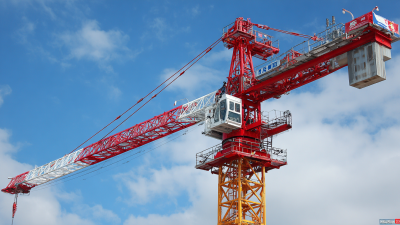
The construction industry is rapidly evolving. One innovation that stands out is the Self Erecting Tower Crane. These cranes have transformed project management, enhancing efficiency and safety. Their ability to assemble on-site without extensive setup is revolutionary. Workers can operate them with minimal training.
Using a Self Erecting Tower Crane offers numerous advantages. For instance, they reduce the need for separate cranes and labor. Projects can progress faster, which is critical in today’s competitive market. However, it's essential to consider the adaptability of these cranes to various project sizes and types. Not all projects may benefit equally, prompting reflection on their application.
Despite these benefits, the reliance on technology can sometimes lead to oversight. It’s crucial to assess whether a Self Erecting Tower Crane is the right fit. Construction managers must weigh these factors carefully for optimal outcomes. Overall, the adoption of these cranes can significantly impact project success when deployed thoughtfully.

Benefits of Self Erecting Tower Cranes in Construction Projects
Self erecting tower cranes have become increasingly popular in construction projects due to their numerous benefits. These cranes can be set up quickly and efficiently, saving time and labor costs. Research shows that using self erecting tower cranes can reduce installation time by up to 50%, translating to significant project savings.
Their compact design allows operation in tight spaces, a common scenario on construction sites. This feature enhances flexibility, accommodating various project layouts. According to industry studies, over 70% of construction managers noted improved site efficiency when using self erecting tower cranes, especially in urban settings.
However, despite these advantages, there are some challenges. Operators need proper training and experience to manage these cranes effectively. Inadequate training can lead to mishaps and increased safety risks. Additionally, the initial investment might be higher than traditional cranes, which can deter some project managers. Balancing cost-effectiveness with operational efficiency continues to be a topic worth discussing within the industry.
Enhanced Efficiency and Time Savings Offered by Self Erecting Cranes
Self erecting tower cranes are transforming construction efficiency. They minimize setup time by allowing operators to raise the crane independently. This feature reduces the need for additional equipment, streamlining the entire process. In busy urban environments, this is crucial as space and time are often limited.
The speed of operations is significantly enhanced. Operators can move materials quickly, minimizing downtime. This leads to faster project completion, which can save substantial costs. Crews can focus on their tasks without waiting. However, operators must be skilled to ensure safety while maximizing efficiency.
Despite their advantages, self erecting cranes require careful planning. Some projects may face challenges in logistics and site layout. Evaluating these factors beforehand is essential. Learning from previous projects can help avoid pitfalls. The integration of these cranes can lead to smoother workflows and impressive results if managed well.
Cost-Effectiveness of Using Self Erecting Tower Cranes
Self-erecting tower cranes have transformed the construction landscape. They offer significant cost advantages, especially for small to medium-sized projects. According to a report by the Construction Industry Institute, these cranes can reduce labor costs by up to 30%. This is largely due to their ability to be operated by fewer personnel while handling a diverse range of lifting tasks.
The ability to quickly set up and dismantle is also noteworthy. A study from the Tower Crane Manufacturers Association revealed that self-erecting cranes can save contractors about 20% on scheduling costs. This efficiency often translates into faster project timelines and less downtime. Without the need for a dedicated crane operator during setup, savings accumulate rapidly.
However, the initial investment remains high. Some may wonder if the long-term savings justify the upfront costs. Not every project may benefit equally from this technology. While they excel in urban projects with limited space, rural sites may not see the same advantages. It’s crucial to analyze project-specific factors before choosing self-erecting tower cranes. Thus, assessing real-world applications is vital to determining their overall economic value in construction projects.
Advantages of Safety Features in Self Erecting Tower Cranes
Self-erecting tower cranes offer unique safety features that greatly benefit construction projects. These cranes are designed for ease of operation, minimizing risks. They often include advanced safety systems, such as overload protection and automatic shutoff features. This helps operators prevent accidents before they happen.
When working at heights, visibility is crucial. Self-erecting cranes often come with enhanced visibility options. This allows operators to see the load and surrounding area clearly. Maintaining a clear line of sight reduces the chances of collisions or miscommunication on-site. However, operators must remain vigilant.
Focusing too much on the equipment can lead to overlooking other site hazards.
Tips: Always inspect safety features before operation. Regular training ensures all team members understand these systems. Implementing daily safety briefs can improve awareness and communication. These small practices can lead to a safer work environment.
Flexibility and Versatility of Self Erecting Tower Cranes on Job Sites
Self erecting tower cranes offer remarkable flexibility on job sites. Unlike traditional cranes, these innovative machines can be easily moved and set up with minimal effort. Their compact design allows them to fit into tight spaces, making them ideal for urban projects. Crews appreciate how quickly they can adapt them to various tasks, whether lifting materials for high-rise buildings or smaller residential projects.
Versatility is a hallmark of self erecting tower cranes. They can work in different environments, from busy construction zones to remote locations. This ability allows contractors to take on a range of projects without needing specialized equipment for each job. However, it’s important to recognize that not all projects benefit equally. Some sites may pose challenges such as limited space or strict regulations, requiring careful planning. Not every scenario will see the expected efficiency gains.
In real-world applications, crews have noticed that these cranes can make a noticeable difference in productivity. Yet, relying solely on this technology may not always yield the best results. Contractors must weigh the costs and benefits of integrating self erecting tower cranes into their operations. They should seek input from experienced operators to navigate potential pitfalls, ensuring they maximize the advantages while addressing any shortcomings.
Top Benefits of Using Self Erecting Tower Crane for Projects
| Benefit |
Description |
Impact on Project |
| Flexibility |
Can be set up and taken down quickly, allowing for adaptability in changing site conditions. |
Increased efficiency and reduced downtime. |
| Versatility |
Suitable for various types of construction projects, from residential to commercial buildings. |
Ability to handle diverse workloads, enhancing project scope. |
| Compact Design |
Requires less ground space compared to traditional cranes, suitable for tight job sites. |
Maximizes usable space on crowded sites. |
| Cost-Effective |
Lower operational costs due to reduced labor and setup times. |
Overall savings on project expenditures. |
| Improved Safety |
Designed with safety features to minimize accidents on site. |
Creates a safer working environment for all personnel. |