Top 10 Tower Crane Rental Tips for Your Project Success
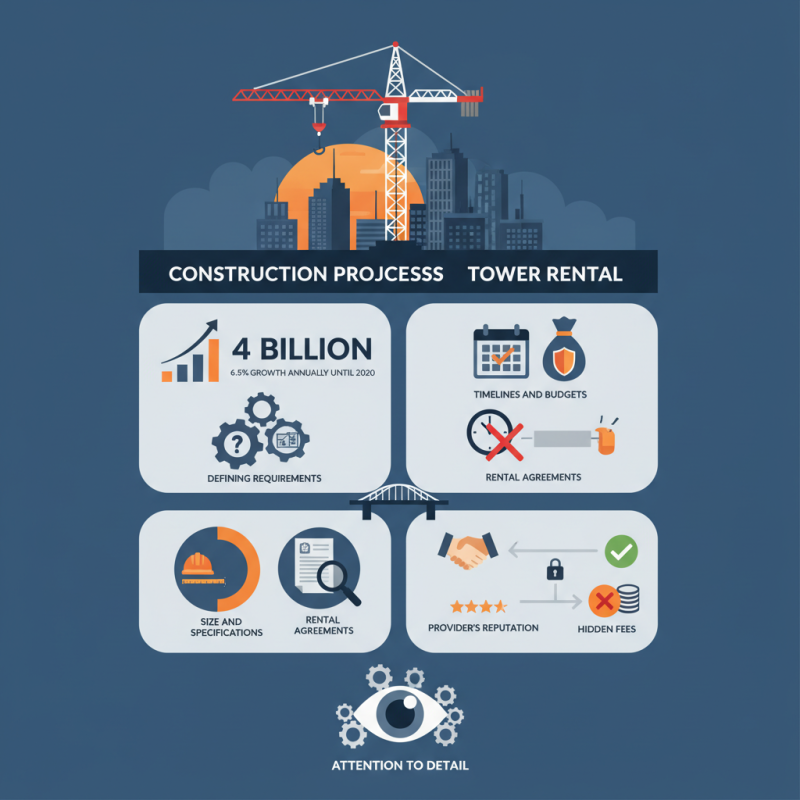
Tower crane rental is an essential aspect of successful construction projects. In 2022, the global tower crane market size was valued at approximately $4 billion, with an expected growth rate of 6.5% annually until 2030. This demand reflects the critical role of tower cranes in large-scale projects. Properly navigating the tower crane rental process can impact timelines and budgets significantly.
Many construction managers face challenges when renting tower cranes. Misjudging the size and specifications can lead to delays. Additionally, not understanding rental agreements may result in excessive costs. It's essential to define project requirements clearly. Knowing the site conditions and loading needs can prevent costly mistakes.
Contractors should also consider the rental provider's reputation. A committed partner will ensure timely delivery and service support. Review terms carefully for hidden fees. A small oversight can escalate expenses quickly. In the world of tower crane rental, attention to detail is crucial for project success.
Understanding Your Project Needs for Tower Crane Rental
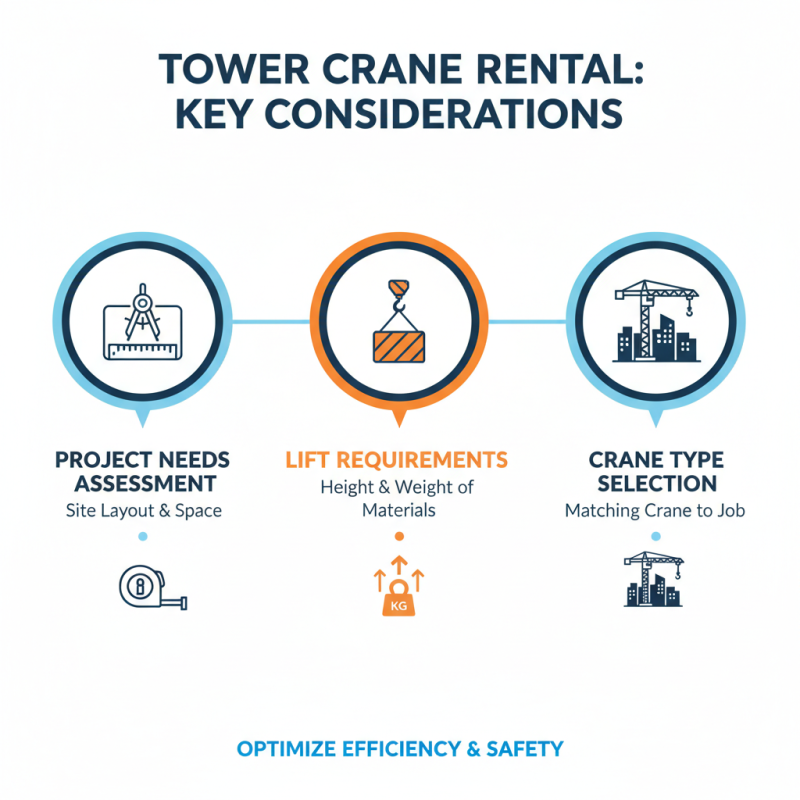
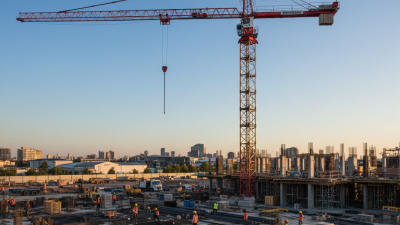
When considering tower crane rental, understanding your project needs is crucial. Each project is unique, with specific requirements. Assess your site layout carefully. Is there limited space? This could determine the type of crane needed. Consider the height and weight of materials that will be lifted. These factors will influence your selection.
Evaluate your timeline and budget as well. What is your project deadline? Tight schedules may require more efficient equipment. Sometimes, rushing can lead to mistakes. Budget constraints should also fit crane rental costs, which can vary. Neglecting these details might cause challenges later.
Communicate with your team about these needs early on. Everyone involved should have a clear understanding. Misalignment could lead to setbacks. Keep an open line for adjustments as the project evolves. By defining your project needs, you lay a foundation for a smoother rental experience.
Evaluating Different Types of Tower Cranes for Your Job Site
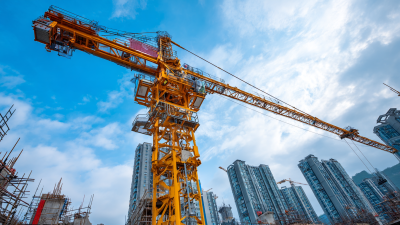
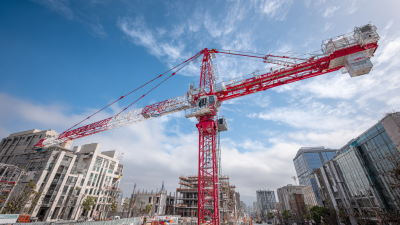
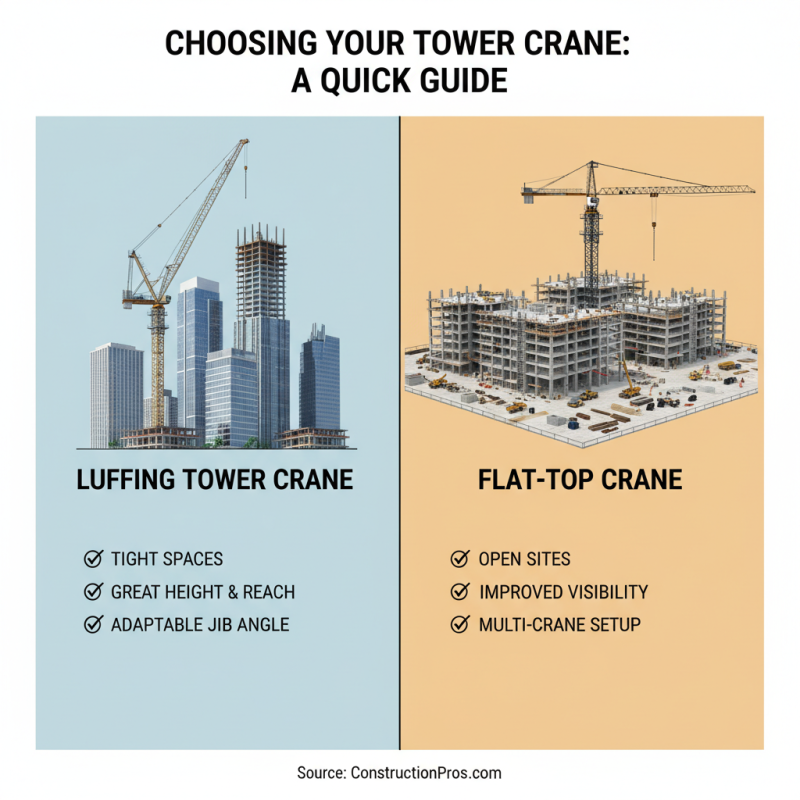
When evaluating different types of tower cranes for your job site, consider the specific needs of your project. Each type of crane has distinct advantages and limitations. For instance, a luffing tower crane offers excellent height and reach, ideal for tight spaces. In contrast, a flat-top crane can improve visibility on busy sites.
One important tip is to assess the load capacity required for your project. If you underestimate this, you might face serious delays. Take measurements of the site to determine where the crane can operate best. Don't forget to evaluate the surrounding environment. Power lines, nearby structures, and weather conditions play a significant role in crane selection.
Another critical consideration is the ease of assembly and disassembly. Some models can be complex and might cause delays. Assess the expertise of your team when choosing a crane type. Lastly, factor in costs, but don’t let that be the sole deciding factor. Sometimes, investing more upfront can save you from challenges later on.
Key Factors in Selecting a Reliable Tower Crane Rental Company
When selecting a tower crane rental company, reliability is paramount. A reliable company has a solid reputation. Look for online reviews and testimonials. These insights help gauge their service quality. Reach out to previous clients. Their experiences can reveal strengths and weaknesses. Don’t just settle for the lowest price. Quality equipment often comes at a higher cost.
Consider the range of services offered. Does the company provide installation and maintenance? This is crucial in ensuring project success. A responsive team can address issues quickly. Communication is key in any collaboration. If they are hard to reach during the bidding process, that’s a red flag. Evaluate their safety records, too. It’s not just about the machinery; it's about how they operate.
Experience matters. A company with years in the industry will likely have encountered various challenges. They may have solutions ready for unexpected issues. However, overreliance on experience can lead to complacency. Always ask about newer technologies they may use. Innovation can greatly enhance project efficiency. Reflect on these aspects carefully before making a decision.
Top 10 Factors to Consider When Selecting a Tower Crane Rental Company
Safety and Compliance Considerations for Tower Crane Operations
When operating tower cranes, safety is not just a priority; it’s a necessity. Before any lifting begins, ensure that all equipment is thoroughly inspected. This includes checking cables, hook functions, and mechanical systems. Operators should be well-trained in these checks. Ideally, a checklist should be used.
Compliance with local regulations is critical. Each region has specific guidelines regarding crane operations. Failure to comply can lead to legal ramifications and safety hazards. It’s essential for project managers to stay updated on these regulations. Conduct regular training sessions to reinforce compliance among staff. Reflecting on past projects helps improve safety protocols.
Communication on site plays a vital role. Establish clear signals and ensure all team members understand them. This reduces misunderstandings during complex lifts. However, even with the best plans, accidents can happen. Encourage a culture of reporting near misses without penalty. This creates an environment of learning and continuous improvement. Properly documenting these incidents is also important for future safety measures.
Cost Management Tips for Effective Tower Crane Rental Decisions
Cost management is crucial when renting tower cranes. According to industry reports, equipment rental costs can consume up to 30% of a construction project's budget. Effective planning is essential. Evaluate your project's needs before selecting a crane. Consider the height, weight capacity, and frequency of use. A mismatch can lead to unnecessary expenses.
Hidden costs often arise. Transportation fees, setup charges, and insurance can add up quickly. It's vital to clarify these costs upfront. Failing to do so may turn a seemingly manageable budget into a financial headache. Researching different rental companies can reveal significant price variations.
Timing can also affect costs. Renting during peak seasons tends to be more expensive. Conversely, booking in advance may provide savings opportunities. However, unexpected delays can lead to added rental days, inflating costs further. Every decision made should be weighed against potential financial impacts. Clear communication with the rental provider can help mitigate misunderstandings and ensure project efficiency.