
Leave Your Message

Top Tower Crane Jobs Opportunities and Key Requirements for Success

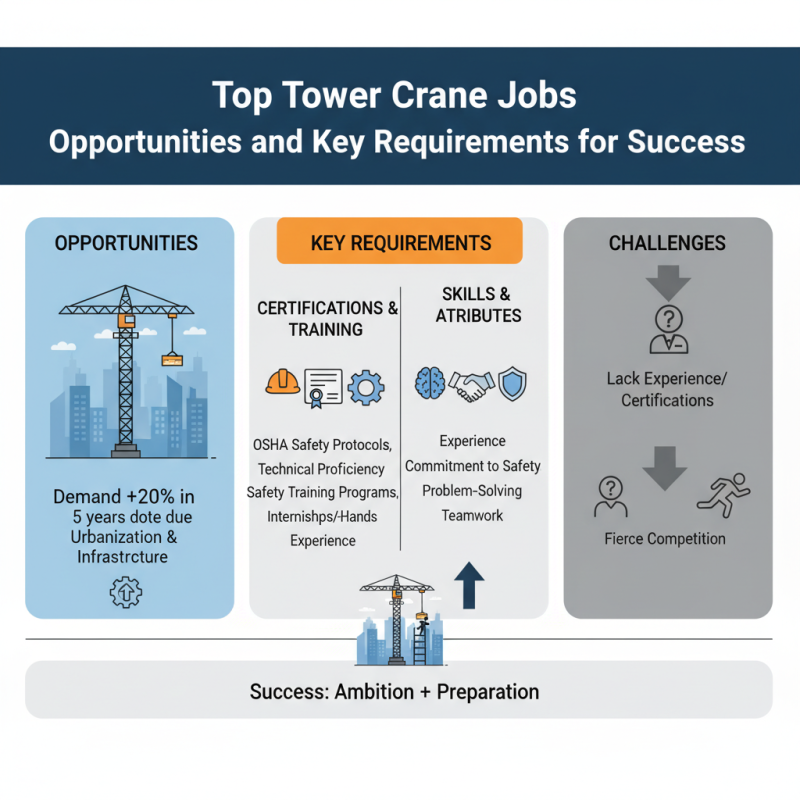
The construction industry is booming, creating a significant rise in Tower Crane Jobs across the globe. According to industry reports, the demand for skilled crane operators is expected to grow by over 20% in the next five years. This surge is driven by increased urbanization and infrastructure projects, making tower cranes a common sight on construction sites.

However, securing these positions requires more than just a desire to operate machinery. Candidates must meet key requirements, including certifications and safety training. The Occupational Safety and Health Administration (OSHA) highlights the necessity of a solid understanding of safety protocols. Companies seek candidates who can demonstrate both technical proficiency and a commitment to safety.

Despite the opportunities, challenges persist. Many applicants lack essential experience or certifications. Additionally, competition for Tower Crane Jobs is fierce. It’s vital for aspiring operators to seek training programs and internships that provide hands-on experience. Balancing ambition with preparation can lead to a successful career in this dynamic field.
Top Tower Crane Jobs Opportunities and Key Requirements for Success

Top Tower Crane Jobs: Overview of Opportunities in the Industry

Top Tower Crane Jobs Opportunities and Key Requirements for Success

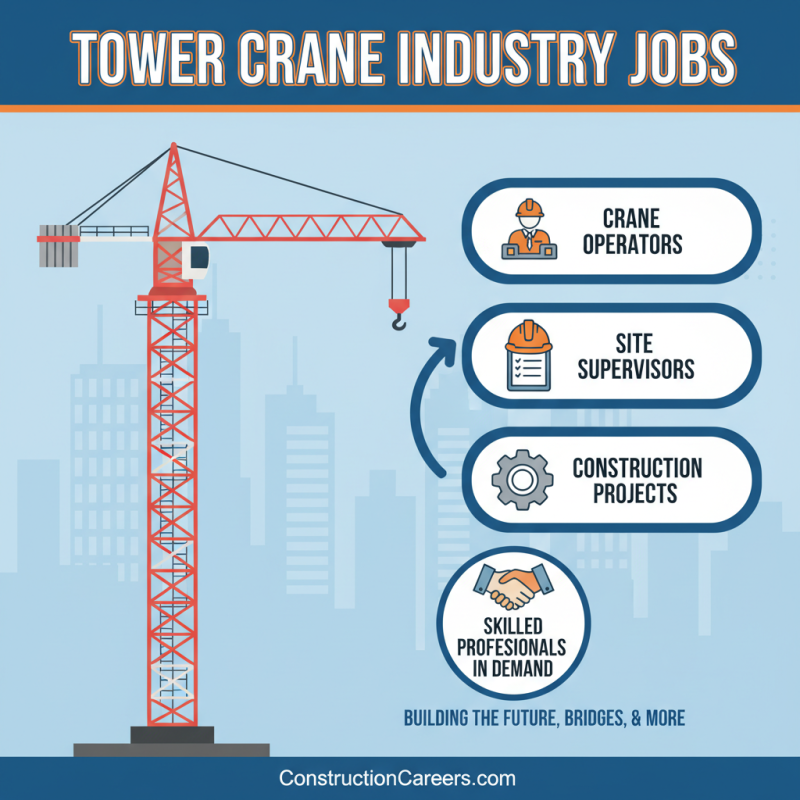
The tower crane industry offers numerous job opportunities for those willing to learn and adapt. Roles range from crane operators to site supervisors. Each position plays a vital part in construction projects. Tower cranes are crucial for building high rises, bridges, and other large structures. Skilled professionals are in demand, especially in urban areas.

Operators must have a strong understanding of equipment and safety protocols. Experience is important, but training is also essential. Many companies seek candidates with certificates or licenses. A deep commitment to safety is a must. Communication skills help coordinators effectively manage site operations.

However, the job is not without challenges. Working at heights can be daunting for some. Weather conditions and tight deadlines add stress. Professionals often struggle with work-life balance. Reflecting on these challenges is important for growth. Those in the tower crane field must continuously enhance their skills and knowledge. This adaptability can lead to long-term success in a rewarding career.

Key Skills Required for Success in Tower Crane Operations

In the field of tower crane operations, certain key skills determine success. Safety awareness tops the list. The Occupational Safety and Health Administration (OSHA) notes that nearly 45% of construction-related fatalities are linked to falls, being struck by objects, and electrocutions. Therefore, understanding and adhering to safety protocols is crucial for tower crane operators.

Another essential skill is communication. Clear communication between crane operators and ground crew prevents accidents. A study by the Construction Industry Institute found that effective communication can reduce project delays by up to 30%. Operators should always express their intentions loudly and clearly. Hand signals should also be standardized and understood by everyone involved.

Tips: Always double-check your equipment before starting operations. Familiarize yourself with the site layout. Take time to practice your communication signals with the team. It's vital to cultivate a culture of safety and communication. This not only protects lives but also ensures a smooth workflow. Reflect on your methods regularly and seek improvements. Every day brings new challenges in tower crane operations.

Essential Certifications and Training for Tower Crane Professionals

Tower crane professionals must acquire essential certifications and training to succeed in their roles. Most positions require a valid operator's license. Obtaining this license usually involves attending a training program. These programs typically cover safety protocols, equipment operation, and maintenance. Participants often need to pass both written and practical exams.

Additional certifications can increase a candidate's employability. For example, certifications in rigging and signaling are highly regarded. These demonstrate an understanding of load management and safety measures. Many employers look for these skills to reduce accident risks. However, it’s crucial to choose quality training programs. Not all options provide the same knowledge and support.

Real-world experience is equally important. Internships and apprenticeships can provide hands-on training. Many professionals find this aspect challenging. Balancing work and study can be difficult. But gaining experience on actual job sites helps build confidence and expertise. Continuous learning is key; staying updated with industry standards is vital. Those who fail to keep up may find themselves lagging behind.

Career Advancement Paths in the Tower Crane Sector

In the tower crane sector, career advancement often hinges on skills, experience, and certifications. Operators usually start as assistants and progress through hands-on training. Gaining proficiency in equipment operation and safety procedures is vital. Many professionals seek certifications to enhance their credibility. This opens doors to higher-paying positions and supervisory roles.

Tips: networking is crucial in this industry. Attend workshops and seminars to meet peers and experts. Keep your resume updated with every new skill learned. Don’t underestimate the value of mentorship. Learning from seasoned operators provides insight that books can't offer.

Continuous learning is essential. Stay updated on new technologies and safety standards. Mistakes, while part of the journey, should prompt reflection. An incident can lead to improved practices and better decision-making skills. Your responsiveness to challenges defines your growth potential. Embrace every experience, as it builds your expertise in this dynamic field.

Safety Considerations and Best Practices for Crane Operators

Operating a tower crane comes with significant responsibilities. Safety should always be the priority for crane operators. Proper training and certifications are crucial. Operators must understand how to load materials correctly. Miscalculations can lead to accidents. Always check equipment before starting work. A quick inspection can prevent major issues.

Communication is vital on the site. Operators need to coordinate with the ground crew continuously. Signals must be clear and precise. Misunderstandings can be dangerous. Using radios can enhance communication, but they aren't foolproof. Operators should never assume everyone is aware of their actions.

Adapting to changing conditions is part of the job. Weather can dramatically affect crane operations. High winds can make lifting unsafe. Operators must be ready to pause work when conditions worsen. Regularly reviewing safety protocols is essential. It's a learning process. Reflecting on past errors can improve future performance and overall site safety.

Top Tower Crane Jobs Opportunities and Key Requirements for Success

Job Title Key Requirements Safety Considerations Best Practices
Crane Operator Certification, Physical Fitness, Experience Wear Safety Gear, Inspect Equipment Follow Signals, Communicate Clearly
Crane Coordinator Project Management Skills, Knowledge of Cranes Emergency Procedures, Risk Assessments Plan Lifts, Keep Area Clear
Site Manager Leadership, Communication, Scheduling Safety Meetings, Hazard Identification Monitor Worksite, Enforce Safety Rules
Maintenance Technician Technical Skills, Attention to Detail Lockout/Tagout Procedures, Use Tools Safely Regular Inspections, Maintain Logs