Top Tower Cranes Pictures That Showcase Construction Marvels?
Tower cranes stand tall as symbols of modern engineering and construction excellence. Expert architect Emily Stevens, known for her stunning skyscraper designs, once stated, "Tower cranes transform the skyline and redefine our cities." This captures the essence of their monumental impact.
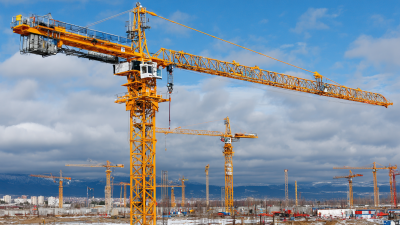
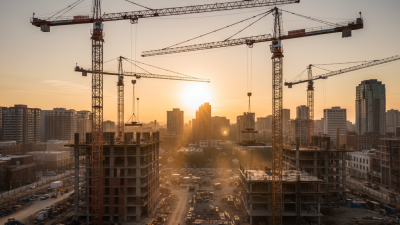
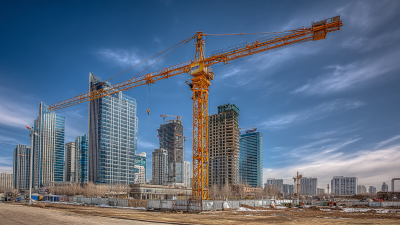
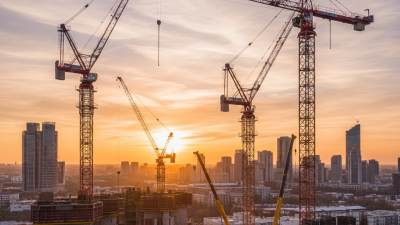
In our exploration of Tower Cranes Pictures, we will witness the beauty and complexity of these machines. Each image tells a story of innovation and human determination. These cranes, often precariously balanced, remind us of the challenges engineers face. The precision required to operate these giants is both inspiring and humbling.
While the pictures showcase remarkable achievements, they also pose questions. Are we fully aware of the risks involved in such ventures? Each tower crane is a beacon of progress but also a reminder of the courage needed to push boundaries. Join us as we delve into the visual marvels that highlight the fusion of art and engineering within the realm of tower cranes.
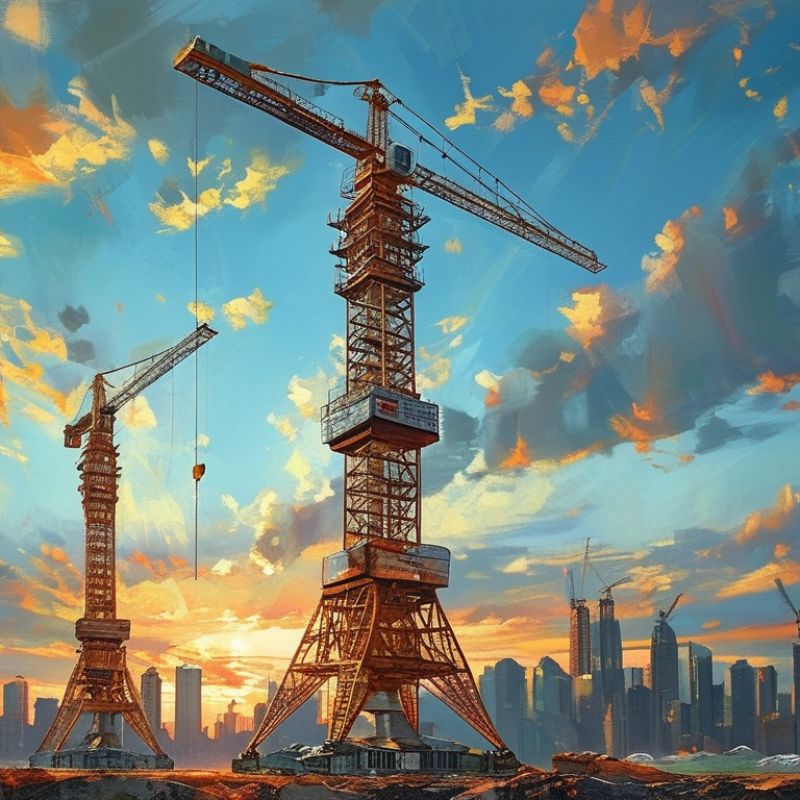
Top Tower Cranes: An Overview of Their Role in Construction
Tower cranes play a pivotal role in construction projects. They facilitate the movement of heavy materials, making complex tasks feasible. According to a report from the International Construction Market Survey, tower cranes account for nearly 20% of equipment costs on major construction sites. Their efficiency can significantly reduce project timelines.
The height and reach of these cranes are impressive. A standard tower crane can lift loads of up to 20 tons and reach heights exceeding 250 feet. However, the operation of tower cranes is not without its challenges. Factors like site layout, wind conditions, and load management must be carefully considered. Operators require substantial training to ensure safety and efficiency in their operations.
Despite their benefits, tower cranes can also cause delays. Unforeseen weather changes can halt progress. Miscommunication about load placements can create dangerous situations. These issues highlight the need for meticulous planning and ongoing training to enhance crane operation outcomes. Balancing efficiency with safety remains a critical concern for construction managers.
Design Innovations in Tower Cranes for Enhanced Performance
Tower cranes are essential in modern construction, lifting heavy materials with efficiency. Recent design innovations have focused on enhanced performance. These advancements not only improve the lifting capacity but also increase stability during operations. Many cranes now feature advanced control systems that allow for precise maneuvering. The integration of smart technology helps operators handle loads with greater accuracy.
When selecting a tower crane, consider its height and load capability. Adjusting the boom length can optimize the crane's reach. Regular maintenance is crucial to ensure these machines operate safely. Inspect cables, gears, and brakes frequently to prevent malfunctions. Operators should be trained adequately on the latest technology. A well-informed team can navigate potential issues effectively.
Modern cranes now incorporate eco-friendly materials. These contribute to sustainability in construction. Despite these advances, challenges remain, such as adapting to various site conditions. Future innovations must address these obstacles. Continuous reflection on design and usability will ensure that tower cranes meet evolving industry standards.
Iconic Tower Cranes Around the World: A Visual Journey
Tower cranes are pivotal to the construction industry, shaping skylines and enabling remarkable infrastructure projects. Their towering presence signifies advancement and engineering prowess. For instance, the global tower crane market was valued at approximately $17 billion in 2020 and is projected to grow significantly, driven by urbanization and infrastructure development. Iconic cranes, like the ones in Dubai and New York, have not only influenced architectural designs but also bear a testament to human innovation.
These machines can lift loads exceeding 20 tons, reaching heights of over 800 feet. The sheer scale of these cranes commands attention and respect. Yet, operating them is not without challenges. Weather conditions, site dynamics, and safety regulations complicate their use, demanding skilled operators. A report from the International Journal of Construction Management highlights the importance of stringent safety measures in crane operation, emphasizing that human error is a significant factor in construction accidents.
Visually, these cranes are often juxtaposed against stunning backdrops. They are critical in constructing hospitals, schools, and residential buildings, reflecting both community needs and economic growth. However, their presence can also lead to urban congestion and environmental concerns, sparking debates about sustainable construction practices. As we admire these construction marvels, questions about balance and responsibility in urban development emerge.
Safety Features and Regulations in Tower Crane Operations
Tower cranes are a pillar of modern construction, enabling the most ambitious projects. Yet, ensuring safety during their operation is paramount. Each year, tower cranes are involved in several accidents. Reports indicate that improper setup and maintenance can lead to incidents. A strong safety culture is vital in mitigating such risks.
Understanding safety regulations is crucial. OSHA and ASME guidelines provide a framework for safe crane operations. Regular inspections are mandated to identify potential hazards. Experts recommend a rigorous training program for operators. Operators should also maintain a clear communication channel with the ground crew.
Tip: Always conduct a pre-operation checklist. This can prevent many issues.
Adhering to safety standards can prevent accidents. Despite this, not all companies comply fully with regulations. A recent study highlighted that 30% of cranes didn’t meet safety inspection criteria. This reflects a need for ongoing training and awareness. Operators must stay informed about best practices.
Tip: Encourage feedback from crane operators on safety practices.
The Future of Tower Cranes: Trends and Technological Advancements
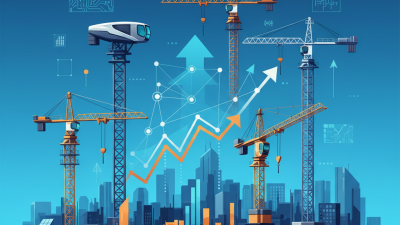
The future of tower cranes is evolving rapidly, driven by technological advancements. According to the Global Tower Crane Market Report, the industry is expected to grow at a CAGR of 6.7% through 2027. This is a significant indicator of increasing demand for efficient construction solutions.
Automation is at the forefront of these changes. Smart technology, like IoT sensors, enhances real-time monitoring. A study from the Construction Industry Institute shows that projects using automated cranes can reduce labor costs by up to 15%. However, the initial investment can be daunting for many firms. Balancing costs and technology adoption remains a challenge.
Sustainability is another critical trend. Modern cranes are designed with eco-friendly materials and energy-efficient systems. Research indicates that construction accounts for 39% of global carbon emissions. Therefore, integrating greener designs is vital for the industry's future. Yet, many manufacturers struggle to meet these standards while maintaining performance. The path forward includes not only advanced tech but a commitment to environmental responsibility.