Top 10 Tower Crane Parts for Global Buyers to Know?
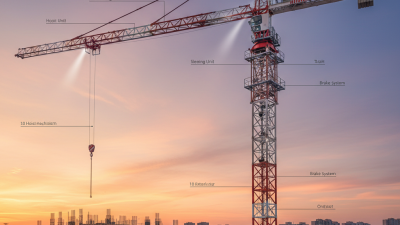
In the fast-evolving construction industry, understanding Tower Crane Parts is essential for global buyers. A recent report from Technavio states that the global tower crane market will grow at a CAGR of over 5% from 2020 to 2024. This growth underscores the importance of knowing various components that influence efficiency and safety. Key parts, like the tower, jib, and counterweights, play vital roles in crane functionality and stability.
The diversity of tower crane parts can be overwhelming. Each component has its unique function and quality standards. For instance, the quality of the winch directly impacts load capacity and lifting speed. Buyers must recognize the variations in material specifications and design among manufacturers. Choosing inferior parts can lead to serious operational challenges and safety risks.
Furthermore, it is crucial to stay informed about the latest advancements in tower crane technology. Innovations in materials and engineering practices can enhance performance. However, not all suppliers keep pace with these trends. Ensuring expertise in Tower Crane Parts is vital for making informed purchasing decisions. The right knowledge can distinguish reliable suppliers from those who might compromise quality.
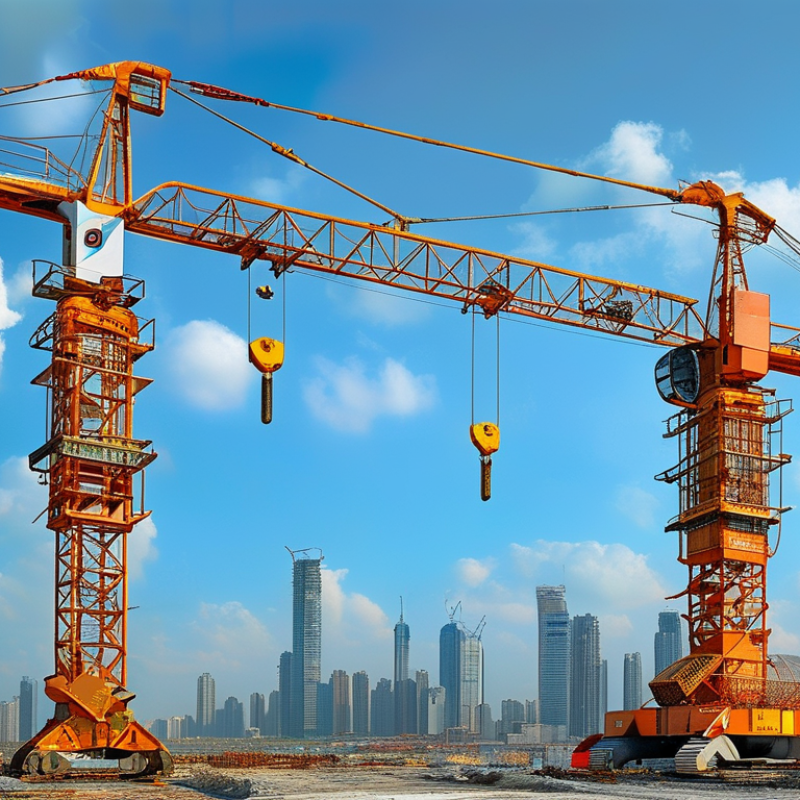
Essential Components of Tower Cranes Every Buyer Should Understand
When considering the purchase of tower cranes, understanding their essential components is vital. Tower cranes typically consist of several key parts, each serving a distinct function. The mast provides the height, while the jib extends outward, allowing for a wide range of movement. However, not every crane uses the same materials or designs, which can affect performance.
Components like the hoist mechanism are crucial. They determine how efficiently materials are lifted and lowered. A faulty hoist can delay projects, resulting in higher costs. A review of specifications and material quality is necessary but often overlooked. Additionally, the base of the crane should fit securely on the ground. Stability is essential. Regular assessments may reveal unexpected wear or instability that needs addressing.
Another important aspect is the control system. This can range from manual controls to sophisticated digital systems. Over-relying on advanced technology could pose risks if not properly maintained. Understanding these systems ensures better operational reliability and safety. Each part contributes to the crane's overall functionality, and recognizing their roles helps buyers make informed decisions. In a market full of options, a keen understanding of these essential components is indispensable.
Understanding the Functionality of Tower Crane Hoists and Mechanisms
Tower cranes are essential in construction, facilitating the lifting of heavy materials. Understanding the functionality of these machines is crucial for global buyers. Tower crane hoists play a central role in this process. Typically, they consist of wire ropes, pulleys, and electric drive systems. The weight capacity can reach up to 20 tons. According to industry reports, the global tower crane market is projected to grow significantly, with market size expected to surpass $4 billion by 2025.
Common issues arise with tower crane mechanisms. Wear and tear on hoist components can lead to operational inefficiencies. Routine inspection and preventive maintenance are critical. Many users overlook the importance of keeping the hoists clean and lubricated. Failure to maintain these components can result in costly downtime.
When selecting tower crane parts, consider compatibility with existing machinery. Be mindful of the load limits for your specific projects. Safety measures should always be a priority, ensuring operators are trained properly. Investing in quality parts can mitigate risks and improve overall performance. Quality inspections should be a part of your procurement process.
Key Features of Tower Crane Jibs and Their Importance in Construction
In construction, tower cranes are essential for moving heavy materials. One crucial component is the jib. The jib extends horizontally from the crane's tower. It plays a vital role in lifting and distributing loads. Understanding its features can enhance operational safety.
Jibs come in different types, including luffing and flat-top. Each type has distinct benefits.
Luffing jibs offer better maneuverability in tight spaces. Flat-top jibs provide stability for heavy lifting tasks. The choice of the jib influences the crane's reach and load capacity. Operators must consider these factors carefully.
Another aspect to consider is the jib's construction material. High-quality steel ensures durability and safety. However, weight management remains a concern. A heavy jib might limit the crane's lifting capability. Striking a balance between strength and weight is essential for efficiency. The complexity of aspects like these illustrates the importance of in-depth knowledge in crane operations. Clear understanding aids in better decisions.
The Role of Tower Crane Lifts in Safety and Efficiency
Tower crane lifts play a crucial role in construction, enhancing both safety and efficiency on job sites. They facilitate the vertical movement of heavy materials, reducing manual labor and minimizing the risk of accidents. Properly functioning tower cranes can significantly streamline project timelines and improve overall productivity.
It is vital to regularly inspect crane components. Any wear and tear can lead to catastrophic failures. Operators should undergo training to ensure they understand how to handle lifts safely. Additionally, maintaining clear communication with ground crews is essential to avoid mishaps.
Remember that even experienced operators can make mistakes. It's important to create a culture of safety on site. A focus on safety should not be an afterthought; it requires constant attention and improvement. In the bustling world of construction, considering the safety and efficiency that tower crane lifts provide can make a significant difference. Always prioritize safety measures, as they can save lives and resources.
Maintenance Considerations for Tower Crane Parts: What to Know
When it comes to tower cranes, maintenance is key. Regularly inspecting crucial components can prevent costly downtime. Pay attention to parts like the hoist mechanism, which experiences heavy wear. The sheaves should be checked frequently for signs of damage. Owners should not underestimate the importance of a well-functioning tower base. It supports the entire structure and can degrade without proper care.
Lubrication procedures might seem straightforward, yet many overlook them. Ensure that all moving parts are well-lubricated. This simple step can extend the life of the crane. Additionally, electrical systems warrant close examination. Loose connections can lead to failures, so tighten them regularly. It might seem tedious, yet developing a checklist can enhance efficiency in maintenance routines.
Finally, operator training is often neglected. A skilled operator can identify subtle issues before they escalate. They should report any irregular sounds or movements promptly. In the long run, investing in human resources is as vital as maintaining the equipment. This holistic approach to tower crane maintenance leads to safer job sites and improved project timelines.