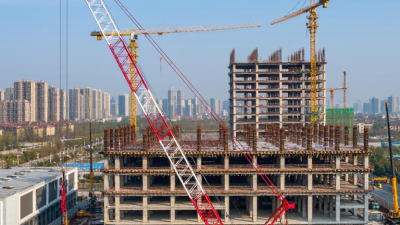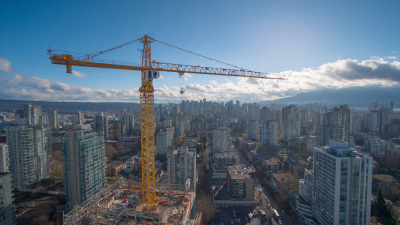
Tower cranes shape the skyline long before a building is complete. Their masts rise beside concrete cores, while long jibs move steel, formwork, and other heavy loads across crowded sites. A capable Tower Crane Rental provider can help contractors match equipment to the project’s height, lifting capacity, and schedule. That match matters. The wrong configuration may bring costly delays, even when the crane itself is well maintained.
This guide introduces ten prominent tower crane rental companies operating across international markets. It considers practical factors such as fleet range, service coverage, technical support, operator training, and experience with complex projects. Availability can differ by region, and company offerings change over time. A global name does not automatically mean local equipment is ready when needed. Details matter.
The list is a starting point, not a universal ranking. Project needs vary, and public information may not reveal every limitation. Before choosing a provider, confirm crane specifications, delivery plans, maintenance arrangements, and the responsibilities included in the rental agreement. Ask for project references where suitable. Also check whether the proposed crane fits the site’s ground conditions and surrounding structures. Those conversations can feel routine, but they often expose gaps early. A careful comparison helps teams judge which provider is credible for their project, rather than simply familiar by name.

The global tower crane rental market includes the temporary hire of cranes and the services needed to put them to work. It spans equipment selection, transport, assembly, inspection, operation support, and dismantling. The product is not just steel and height. It is also a schedule, a trained crew, and reliable access to spare parts.
Rental demand often follows construction activity, from high-rise housing to major infrastructure projects. Buyers compare more than daily rates: lifting capacity, jib length, site access, ground conditions, and rental duration all affect the fit. A crane that reaches the required height may still be unsuitable if nearby buildings restrict its swing. Availability matters. Regional markets also differ in fleet size, technical support, and delivery lead times, so global comparisons need care.
Market boundaries can be blurry. Some providers supply equipment only, while others coordinate installation, operators, and maintenance through project partners. That distinction matters when comparing bids. Costs can shift. Weather delays, permit timing, or a late change to the building design may extend a rental unexpectedly. Even experienced planners can misjudge these risks; a neat spreadsheet rarely captures every site constraint. Clear scope, documented inspections, and realistic schedules help buyers evaluate rental offers without treating the lowest quote as the whole story.
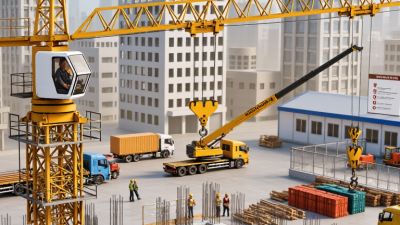
Compare tower crane rental companies by usable capacity, not headline tonnage. A crane rated for 12 tonnes may lift far less at a long radius. Ask for load charts matching the planned jib length, hook height, and lifting radius. Check fleet age, inspection records, spare-part access, and repair response times. Request a written schedule for delivery, erection, climbing, and dismantling. Small delays matter: McKinsey’s 2017 report, Reinventing Construction, found construction productivity had grown about 1% annually over two decades, against 2.8% for the wider economy.
Safety and site support deserve equal weight. The International Labour Organization identifies construction as accounting for roughly one in five workplace fatalities worldwide. Ask who inspects the crane, how defects are logged, and whether qualified technicians are available during shifts. Confirm the rental scope: operator, rigging support, permits, transport, and weather-related standby charges can change the real cost. Compare itemized quotations, not just monthly rates. A low price can hide long mobilization times.
Local availability matters. The RLB Crane Index tracks tower crane numbers across major cities, a useful reminder that supply varies by market. Check the supplier’s recent projects near your site and speak with a past client about breakdown response. I would also ask for a realistic availability date in writing. It is an imperfect test, but polished brochures rarely reveal queue times or rushed maintenance.
This is a comparison framework, not a verified ranking of named companies. Tower crane availability, specifications, service coverage, and commercial terms vary by country, project, and fleet. Compare providers using current written quotations and project-specific documentation.
| No. | Comparison criterion | What to compare | Evidence to request | Why it matters |
|---|---|---|---|---|
| 1 | Crane selection and capacity | Available tower-crane configurations, maximum load, load capacity at the required working radius, hook height, and jib length. | Crane model and configuration proposal, manufacturer load charts, and confirmation that the proposed crane meets the project’s lift plan. | Maximum capacity alone does not establish suitability; rated capacity changes with working radius and crane configuration. |
| 2 | Fleet availability and lead time | Availability of the required crane and configuration, delivery schedule, and alternatives if the preferred unit is unavailable. | Written availability confirmation, proposed delivery dates, and a schedule covering transport, erection, testing, and handover. | Crane selection must align with the construction programme and site-readiness dates. |
| 3 | Engineering and lift planning | Support for crane positioning, foundation reactions, tie-in design, operating radius, and coordination with other site cranes. | Project-specific layout, engineering deliverables, design assumptions, and clearly defined responsibilities for approvals. | Crane loads and configuration affect foundations, building ties, site access, and lifting operations. |
| 4 | Installation and dismantling | Scope, sequence, required assist cranes, site access needs, crew availability, and time allowed for erection and removal. | Method statements, lift plans, equipment requirements, programme, and a written scope split between renter and supplier. | Installation and dismantling are major project activities with separate access, safety, and scheduling requirements. |
| 5 | Inspection and maintenance | Inspection arrangements, preventive maintenance, defect reporting, repair response, and records supplied during the rental. | Inspection and maintenance procedures, sample service records, and the proposed process for reporting and resolving defects. | Documented maintenance and timely defect response support safe, reliable equipment operation. |
| 6 | Operator and crew arrangements | Whether operators, technicians, riggers, or signal personnel are included, and how qualifications, shifts, and relief coverage are handled. | Staffing plan, role descriptions, relevant training or competency records, and written confirmation of included personnel. | Rental packages differ: equipment-only hire and packages with personnel should not be compared as if they were the same service. |
| 7 | Safety and regulatory compliance | Applicable local requirements, inspection or certification obligations, operating procedures, and allocation of safety responsibilities. | Relevant certificates and inspection records, risk assessments, safety procedures, and a contract responsibility matrix. | Requirements depend on the jurisdiction, equipment, and project; responsibilities should be confirmed before mobilisation. |
| 8 | Transport and logistics | Transport scope, route and access constraints, permits, border or port handling where relevant, and responsibility for unloading. | Itemised logistics plan, delivery assumptions, permit responsibilities, and a schedule for components arriving on site. | Tower crane components require coordinated transport and suitable site access and laydown space. |
| 9 | Commercial terms and total cost | Rental period, mobilisation and demobilisation charges, transport, installation, maintenance, standby, overtime, and extension rates. | An itemised quotation, stated rental-period assumptions, exclusions, payment terms, and rates for changes or delays. | A headline rental rate may exclude substantial project costs or depend on specific schedule and site assumptions. |
| 10 | Service coverage and support | Local technical support, service hours, spare-parts arrangements, escalation process, and support availability at the project location. | Named service contacts, support coverage details, response commitments in the proposal, and confirmation of parts or technician availability. | Practical support depends on the project location and the service arrangements stated in the contract, not just a provider’s overall geographic reach. |
Choosing among the top 10 tower crane rental companies worldwide takes more than comparing daily rates. Rental providers differ in fleet size, service regions, crane configurations, and technical support. A tower crane suited to a dense city site may be impractical for a coastal project with limited access. Start with the lift plan, required reach, maximum load, and available ground space.
Experienced providers can explain how crane capacity changes across the working radius, not just quote a headline lifting limit. Ask for inspection records, maintenance details, installation schedules, and operator qualifications. Check whether transport, assembly, dismantling, and spare parts are included. Small omissions matter. A delayed component can leave a crane idle while other trades wait below.
There is no universal ranking that fits every project. Availability changes by country, season, and construction demand, so a worldwide top-ten list should be treated as a starting point, not a final verdict. Compare written proposals against the same scope and dates. Even careful reviews can miss local constraints; I would double-check access routes and ground conditions before signing. Reliable communication matters too, especially when wind or schedule changes affect lifting plans.
Indicative maximum rated lifting capacities for common tower crane configurations, in metric tonnes. These are general reference points, not company rankings or fleet data; actual capacity varies by model, jib length, and configuration.
For rental comparisons, check the crane’s load chart at the required working radius: maximum rated capacity is not available across the full jib length.
A useful comparison of the top ten tower crane rental companies worldwide starts with fleet fit, not fleet size. Providers may offer hammerhead, luffing-jib, and flat-top cranes, but availability varies by region. Match crane capacity and working radius to the site’s lift plan. A large capacity figure alone can mislead.
Check what the rental service includes. Some providers coordinate transport, erection, dismantling, inspections, and operator support; others quote these separately. Ask who handles site access, foundation requirements, spare parts, and response times. A clear service scope prevents costly assumptions. Read the load charts carefully.
Geographic coverage matters just as much. A company may serve several countries yet rely on local partners for equipment or technicians. Confirm where the crane will ship from and how quickly support can reach the site. Ports, road limits, weather, and local terrain can change delivery plans. A polished fleet list can still hide gaps, and even careful planning misses details. Compare documented availability, service responsibilities, and technical support for the actual project location.
When comparing tower crane rental companies worldwide, look beyond fleet size. The right provider should match the crane to your building height, lifting radius, load schedule, and site access. Ask for load charts and a proposed configuration, then check that they reflect your actual lift plan. Small mismatches matter.
Check the condition and support behind the equipment. Request recent inspection records, maintenance history, and clear details about parts availability. Ask who handles installation, dismantling, operator coordination, and urgent repairs. A crane sitting idle while a replacement part travels across borders can disrupt an entire schedule. Response times matter.
Compare the full rental cost, not just the daily rate. Clarify transport, assembly, permits where applicable, standby charges, and weather-related delays. Confirm what technical support is available across time zones, especially for remote sites. References from projects with similar ground conditions and building constraints can reveal practical strengths. Still, references may not tell the whole story; ask specific questions and verify details where possible. A polished proposal is useful, but a patient, technically precise conversation can be more revealing.