Why Are Tower Cranes Important and What Do Their Pictures Reveal
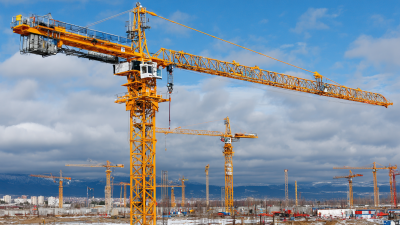
Tower cranes are an essential part of modern construction, playing a pivotal role in shaping urban landscapes and facilitating large-scale projects. Their towering structures not only signify progress and development but also represent engineering ingenuity and safety. Tower cranes pictures provide a visual testimony of their immense height, intricate design, and the critical functions they serve on construction sites. By capturing these images, we gain a deeper understanding of their operational mechanics and the artistry involved in their design.
The importance of tower cranes extends beyond their physical presence; they are integral to the efficiency of construction processes. By allowing for the transportation of heavy materials to great heights, tower cranes optimize workflow and productivity on site. Furthermore, the evolution of tower crane technology reflects advancements in the construction industry, showcasing how these machines have adapted to meet the growing demands of urban development.
In this exploration, we will delve into the significance of tower cranes and analyze what their pictures reveal about their functionality, impact on building projects, and the future of construction. These images not only document the machines themselves but also tell a greater story about the construction industry's progress and the ever-changing skylines they help create.
Importance of Tower Cranes in Construction Industry
Tower cranes play a crucial role in the construction industry, serving as essential equipment that enables the vertical lifting and placement of heavy materials. According to a report by the International Construction Organization, the global tower crane market was valued at approximately $2 billion in 2022, with a projected growth rate of 5% annually. This growth reflects the increasing demand for high-rise buildings and large-scale infrastructure projects, highlighting the importance of these cranes in efficiently managing complex construction tasks. The ability of tower cranes to reach significant heights and maneuver heavy loads makes them indispensable in urban construction settings where space is limited.
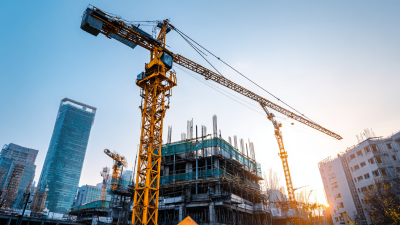
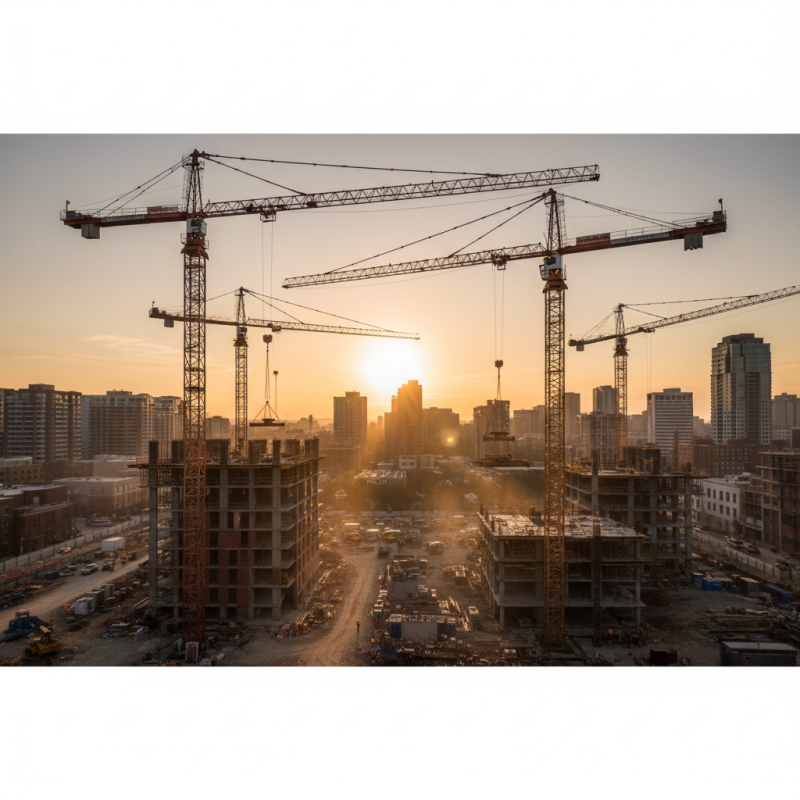
In addition to their functional importance, the pictures of tower cranes reveal their varied applications across different construction sites. They can be seen towering over city skylines, assisting in the assembly of skyscrapers, and even facilitating the construction of bridges and large public structures. These visuals underscore the versatility of tower cranes, which are designed not only to lift but also to provide a stable base in challenging environments. The American Society of Civil Engineers reported that projects using tower cranes saw a reduction in construction time by as much as 30%, further emphasizing their enabling role in modern construction practices.
**Tip:** When using tower cranes, ensure proper site planning and safety measures are in place. Regularly inspect equipment and train operators to minimize risks and maximize efficiency. Additionally, consider the crane's position and setup to optimize load handling and minimize disruptions on site.
Importance of Tower Cranes in the Construction Industry
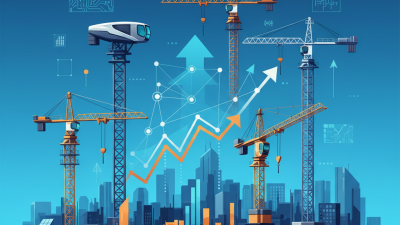
This chart illustrates the efficiency and functionalities of tower cranes in the construction industry, showcasing their crucial roles in handling heavy materials across different construction phases. The data reflects the average weights of materials typically lifted by tower cranes and their operational hours per project phase.
Key Safety Features and Regulations Governing Tower Cranes
Tower cranes play a crucial role in the modern construction landscape, largely due to their ability to lift heavy materials to considerable heights with precision. The safety features embedded within these cranes are vital for ensuring both operational efficiency and worker safety on construction sites. According to the Occupational Safety and Health Administration (OSHA), proper crane safety standards have led to a 30% decrease in construction-related accidents over the past decade. This underscores the importance of compliance with established regulations, such as the American National Standards Institute (ANSI) standards, which govern the design, use, and maintenance of tower cranes.
Key safety features of tower cranes include load moment indicators, which help prevent overloading, and automatic braking systems that respond to unforeseen circumstances. Regular inspections and maintenance, mandated by the Crane Manufacturers Association of America (CMAA), are essential for identifying potential faults before they lead to accidents. In 2020, it was reported that companies following stringent safety protocols not only mitigate risks but also enhance productivity by up to 15%. The meticulous attention to these regulations and safety features is reflected in the tower crane’s capability to operate in challenging environments while minimizing hazards associated with lifting operations.
Operational Efficiency: Data on Crane Performance and Utilization Rates
Tower cranes play a pivotal role in the construction industry, significantly impacting operational efficiency. According to a report by the American Institute of Constructors, the utilization rates of tower cranes can range from 70% to 90%, depending on project complexity and management practices. When effectively managed, these cranes not only enhance productivity but also reduce project timelines, ultimately leading to cost savings. Moreover, performance data from various construction projects indicate that cranes operating at higher utilization rates facilitate quicker material handling, which directly correlates with increased workflow and labor efficiency.
Tips: To maximize crane performance, it’s essential for project managers to conduct regular maintenance checks. A well-maintained crane can operate at peak efficiency, addressing potential downtime before it affects the overall schedule. Additionally, utilizing real-time data analytics can help in tracking crane usage and identifying patterns, allowing teams to optimize operations further.
Understanding the images of tower cranes in action can also provide insights into their contribution to construction processes. Photographs often reveal insights into crane placement, load capacity, and operational maneuverability on-site. According to the Construction Industry Institute, the strategic placement of cranes can enhance their performance by up to 15%, as it reduces the potential for delays during material transport. By analyzing spatial arrangements and load management in these images, stakeholders can make informed decisions that boost both efficiency and safety on the job site.
Why Are Tower Cranes Important and What Do Their Pictures Reveal - Operational Efficiency: Data on Crane Performance and Utilization Rates
| Crane Type |
Max Load Capacity (tons) |
Operating Radius (m) |
Utilization Rate (%) |
Operational Hours per Month |
| Hammerhead Crane |
10 |
50 |
85 |
160 |
| Luffing Jib Crane |
12 |
45 |
78 |
140 |
| Self-Erecting Crane |
6 |
30 |
70 |
120 |
| Top Slewing Crane |
15 |
60 |
90 |
200 |
Visual Insights: Analyzing Tower Crane Images for Structural Design
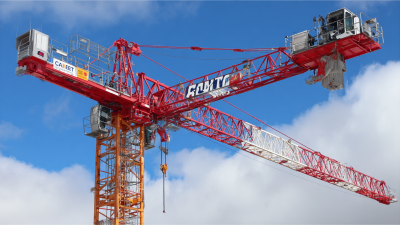
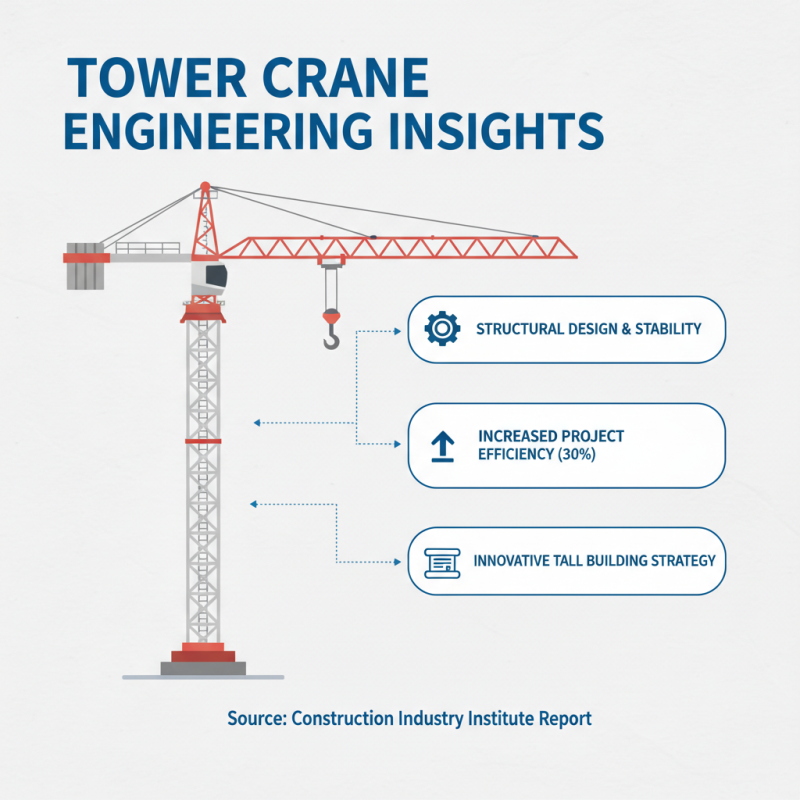
When analyzing tower crane images, one can uncover valuable insights into structural design and engineering principles that govern their operation. Tower cranes, essential in the construction industry, serve not only as lifting machines but also as visual indicators of the innovative strategy behind tall building projects. A recent industry report from the Construction Industry Institute notes that tower cranes can increase project efficiency by up to 30% by allowing for quicker material handling and reduced labor costs. Images of these cranes often highlight their unique features, such as the jib length and counterweight configurations, which are critical to understanding load distribution and stability in structural design.
Tips for analyzing tower crane images include focusing on the configuration and height of the crane in relation to the surrounding structures. This can reveal how design choices influence safety and operational efficiency. Additionally, observing the interplay of the crane with nearby buildings can provide insights into urban planning and risk management. For instance, the American Society of Civil Engineers reported that well-documented crane usage and setup can reduce accident rates on construction sites by 20%, further emphasizing the importance of meticulous planning reflected in these images.
Moreover, examining crane images in various urban settings often showcases advancements in technology and materials used. Contemporary cranes tend to exhibit lighter yet sturdier designs that enhance their lifting capabilities. Understanding these visual cues not only facilitates a deeper appreciation for crane design but also highlights the innovations driving the industry forward.
Future Trends: Innovations in Tower Crane Technology and Sustainability
The future of tower crane technology is set to transform the construction industry, focusing on innovations that enhance efficiency and sustainability. One significant trend is the integration of smart technology, enabling remote operation and real-time monitoring of crane performance. This advancement not only maximizes operational safety but also reduces the likelihood of human error. Advanced sensors can provide critical data analytics, allowing for predictive maintenance that minimizes downtime and extends the lifecycle of equipment.
In addition to technological innovations, sustainability is becoming a driving force behind the design and function of tower cranes. Modern cranes are increasingly designed with eco-friendly materials and energy-efficient systems. The incorporation of electric and hybrid power sources reduces emissions, aligning with global efforts towards greener construction practices. Furthermore, more manufacturers are focusing on modular designs that allow for easier disassembly and reduced waste, contributing to a circular economy within the construction sector. As these trends continue to evolve, the role of tower cranes will not only be pivotal in the construction process but also in promoting a more sustainable future.