What is the Demand for Tower Crane Jobs Globally?
The global demand for tower crane jobs is on the rise. Construction projects around the world are expanding, driven by urbanization and infrastructure needs. Tower cranes play a crucial role in these developments. They enable the efficient lifting of heavy materials, ensuring projects progress smoothly.
However, the demand for tower crane jobs also highlights challenges in the industry. Although skilled professionals are needed, many regions face a shortage of qualified operators. Safety concerns and the technical aspects of operating these machines are significant. This presents a dual challenge: increasing the workforce while ensuring they meet regulatory standards.
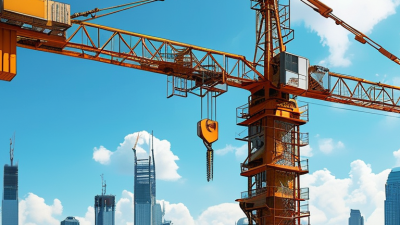
In many cities, the skyline is dominated by tower cranes. This visual representation of growth signifies opportunities in various sectors. Yet, as the industry evolves, both workers and companies must adapt. Training programs are essential to bridge the skills gap and respond to the changing landscape of tower crane jobs. The future looks promising, but continued focus on safety and training is vital.

Global Overview of Tower Crane Jobs Demand
The global demand for tower crane jobs has seen significant growth in recent years. According to a report by the International Labor Organization, the construction sector will expand by over 5% annually until 2025. This surge directly correlates with the increasing need for skilled crane operators on construction sites. Regionally, Asia-Pacific accounts for approximately 40% of the tower crane job market, driven by urbanization and infrastructure projects.
In North America, the market is ramping up as well. The Bureau of Labor Statistics estimates that crane operators' employment will increase by 8% from 2021 to 2031. This is primarily fueled by the ongoing recovery from the pandemic and the demand for residential buildings. However, the industry faces challenges, such as a shortage of qualified operators and shifts in workforce demographics. Many companies are seeking training solutions to rectify this skills gap.
Moreover, sustainability in construction is reshaping job requirements. Strategies for environmentally friendly practices are being integrated. Operators may need to adapt to advanced technologies like telematics and automation. This evolution calls for continuous training and upskilling, creating a dynamic but challenging environment for tower crane jobs globally.
Factors Influencing the Demand for Tower Crane Operators
The demand for tower crane operators is shaped by several key factors. Urbanization is at the forefront. Cities are expanding rapidly, creating a surge in construction projects. High-rise buildings, bridges, and infrastructure are integral to modern development. As cities grow, so does the need for skilled operators who can navigate complex job sites.
Economic conditions play a significant role in this demand. When economies flourish, construction activity often rises. However, during downturns, projects may slow. This fluctuation can lead to job uncertainty for operators. Additionally, technological advancements affect the industry. New cranes and automation require operators to adapt and learn. The need for ongoing training cannot be overlooked.
Safety regulations are another vital factor. Stricter compliance demands skilled labor. Operators must understand safety protocols to reduce risks on sites. This emphasis on safety can raise the standards for hiring. Yet, it may also lead to a shortage of qualified individuals. The balance between supply and demand continues to challenge the industry. The future of tower crane jobs hinges on these interconnected factors.
Regional Variations in Tower Crane Job Opportunities
The demand for tower crane jobs varies significantly across different regions. In urban areas with booming construction, opportunities are abundant. Cities in Asia, such as Shanghai and Mumbai, often have high demand due to rapid infrastructure development. Jobs in these locations frequently require skilled operators and rigorous safety training.
However, not all regions experience the same level of demand. In some parts of Europe, for instance, job growth in this field can be stagnant. Economic factors, such as a slower construction market, directly impact job availability. Workers may find it challenging to secure positions, leading to fluctuations in employment rates.
Additionally, discrepancies exist within the same country. Rural areas may see sporadic demand, with fewer projects to support steady employment. This situation forces some workers to travel long distances for job opportunities, which can be exhausting and costly. Overall, understanding these regional variations is crucial for workers seeking stable careers in tower crane operations.
Future Trends in Tower Crane Job Market
The demand for tower crane jobs is expected to rise significantly in the coming years. According to a report by Technavio, the global crane market is projected to grow by over 4% annually. This growth will likely boost the demand for skilled workers, especially in urban areas where construction projects are booming. Major cities are investing heavily in infrastructure. This has led to an increased need for capable tower crane operators.
Several factors are shaping the future trends in the tower crane job market. For instance, advancements in technology are changing the skills required for these positions. Many cranes now incorporate smart technologies, which means operators must be tech-savvy. Additionally, the emphasis on safety standards has heightened job requirements. Training programs are adapting, but there remains a gap in adequately preparing workers. Not all training centers are equipped to offer comprehensive safety training, leading to a potential shortfall in qualified operators.
Moreover, the sustainability trend in construction is influencing job availability. As projects aim for greener certifications, crane operators will need to understand eco-friendly practices. The construction industry is evolving. There’s a growing need for professionals who can adapt. However, some regions may struggle with attracting qualified talent. This mismatch could impact project timelines and costs. The future of tower crane jobs is promising yet challenging, necessitating ongoing adaptation from both workers and training providers.
Global Demand for Tower Crane Jobs (2023)
This chart illustrates the projected demand for tower crane jobs in various regions across the globe over the next few years. The data reflects growing trends in construction and infrastructure development.
Skills and Qualifications Required for Tower Crane Positions
Tower crane operators play a crucial role in construction projects worldwide. To excel in this field, specific skills and qualifications are essential. First, candidates must possess a thorough understanding of crane operation and safety protocols. They should hold certifications from recognized training programs. Experience is highly valued, as hands-on practice enhances operational skills.
Communication is another vital skill. Operators must coordinate with ground crews and communicate effectively. Miscommunication can lead to accidents or project delays. Strong problem-solving capabilities are also necessary, as operators often face unexpected challenges. Physical fitness is important too. The job may require long hours and the ability to manage stressful situations.
Continuous learning is essential in tower crane jobs. Technologies and regulations evolve, and operators should stay updated. Some may find it challenging to adapt, leading to potential skills gaps. It’s crucial to seek further training opportunities. Networking with industry professionals can also offer insights and new avenues for growth.