What Are the Essential Parts of a Tower Crane in 2026?
As we look ahead to 2026, understanding the essential parts of a tower crane becomes crucial. Experts in the industry emphasize their importance. John Smith, a respected tower crane engineer, states, "The efficiency of construction relies heavily on the parts of tower cranes." Each component plays a vital role in the crane’s functionality and safety.
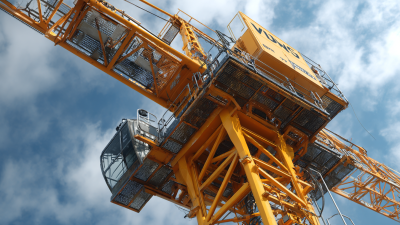
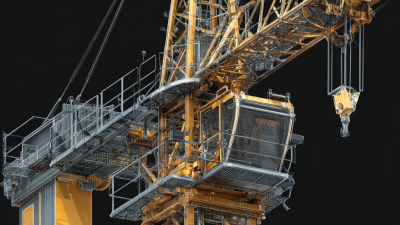
The main parts of a tower crane include the mast, jib, and counterweights. The mast provides stability, while the jib is responsible for lifting materials. Without these key elements, construction projects could face delays and safety risks. However, the complexity of these parts often leads to oversight.
In the pursuit of efficiency, some may overlook routine maintenance of the tower crane parts. This negligence can lead to accidents. Understanding each part also involves recognizing common weaknesses. Identifying the parts of a tower crane and their function is essential for a safe operating environment. As new technologies emerge, the design and function of these components continue to evolve, inviting reflection on their potential risks and benefits.
Essential Structural Components of Tower Cranes in 2026
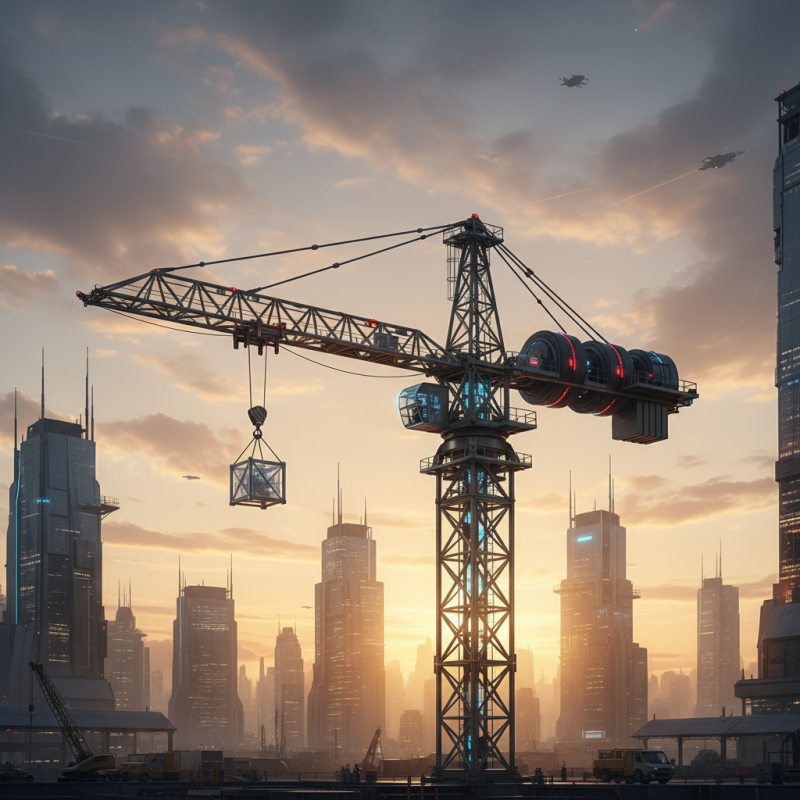
In 2026, the design of tower cranes emphasizes essential structural components. These parts are critical for efficiency. The boom, for example, provides the reach and lifting capability. Modern tower cranes now feature lighter materials yet maintain strength. This approach increases payload while reducing energy consumption.
The base plays a crucial role too. A stable foundation ensures safe operations. Industry reports show that a well-designed base can minimize vibrations, leading to better precision in lifting tasks. Regular inspections of these components are vital. Wear and tear can compromise safety.
**Tip:** Always prioritize maintenance checks. Focus on critical components like the jib and counterweights. Neglecting small issues can lead to serious accidents. Operators must be trained to recognize potential failures. It's an ongoing process that requires attention. Balancing innovation with safety is a challenge. Continuous learning is essential in this field.
Advancements in Tower Crane Technology and Materials by 2026
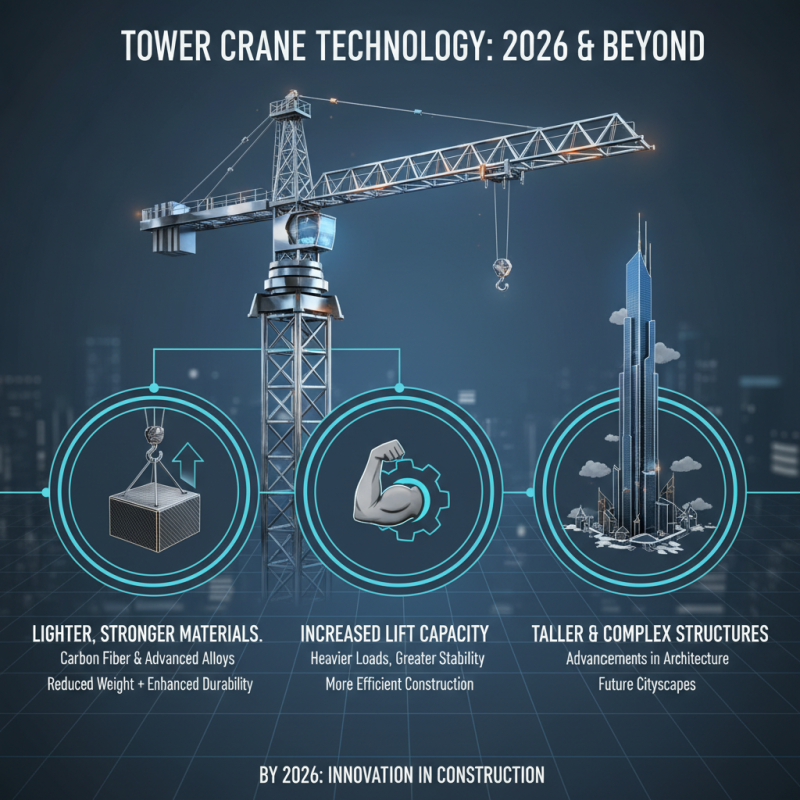
By 2026, tower crane technology has seen significant advancements. These machines now incorporate lighter yet stronger materials. Innovations in carbon fiber and advanced alloys reduce weight while enhancing durability. As a result, cranes can lift heavier loads with greater stability. This shift allows for taller buildings and more complex structures.
Automation plays a critical role as well. Remote control and AI systems improve safety and efficiency. Operators can monitor multiple cranes from a distance. This reduces the risk of accidents on busy sites. However, reliance on technology raises concerns. What happens when systems fail? Human oversight remains essential.
Moreover, the integration of smart sensors provides real-time data. These sensors monitor stress and structural integrity. They alert operators to issues before they escalate. While this enhances safety, it requires ongoing training. Workers must adapt to new technologies. The road ahead is filled with challenges, yet the potential benefits are substantial.
Safety Features and Compliance Standards for Tower Cranes in 2026
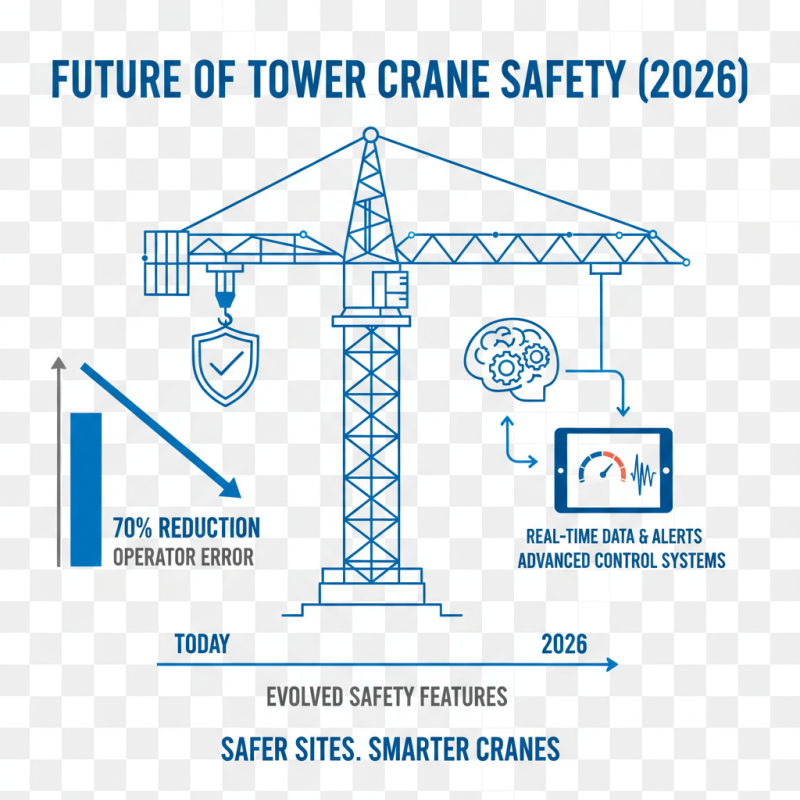
Tower cranes are vital for modern construction. In 2026, safety features will evolve significantly. Recent industry reports highlight that 70% of crane accidents involve operator error. Hence, advanced control systems are essential. These systems can provide real-time data and alerts. They will help operators make informed decisions.
Compliance standards will also become stricter. The international standard for crane safety will mandate regular inspections. Data from safety audits indicate that cranes that undergo frequent checks have 50% fewer accidents. Moreover, innovative safety features like anti-collision systems are becoming common. These systems can prevent dangerous overlaps between cranes on job sites. However, some operators still overlook their importance, leading to hazardous situations.
Maintaining compliance is crucial but challenging. Many contractors struggle to keep up with changing regulations. Training programs are essential for operators, but often lack depth. More focus on practical safety drills could be beneficial. Investing in updated training resources is necessary. Such efforts are critical for reducing risks and ensuring crane safety in the future.
Impact of Automation on Tower Crane Design in 2026
In 2026, automation will dramatically reshape tower crane design. Advanced technologies are set to enhance efficiency and safety. According to a recent industry report, automated systems can boost productivity by up to 30%. This shift means cranes will not only be taller but smarter, featuring integrated sensors and AI.
Construction sites will benefit from these advancements. Improved safety features will help reduce accidents by 25%. Automated systems can monitor loads and wind conditions in real-time. However, relying solely on automation can pose risks. Human operators are crucial for decision-making in unpredictable situations. Remember, technology should complement human skills, not replace them.
Tips: Always ensure that operators receive adequate training with new automated systems. Regular maintenance of the crane's technology is essential to maintain safety standards. Reflect on the balance between automation and human oversight; it's vital for future success.
Market Trends and Demand Forecast for Tower Cranes in 2026
The tower crane market is evolving rapidly in 2026. Demand for these machines is driven by urbanization and large construction projects. Cities continue to grow upward, requiring effective lifting solutions. Construction sites need reliable equipment to meet tight schedules.
Market trends indicate a shift towards more advanced technology. Smart tower cranes that utilize IoT for monitoring are gaining popularity. These cranes can analyze data to enhance productivity. They can provide real-time information to operators, which improves safety. However, this rapid adoption raises concerns about training operators to use new technology effectively.
Moreover, sustainability is becoming a crucial factor. The industry is exploring eco-friendly materials and energy-efficient designs. Many companies are under pressure to reduce emissions. This trend may lead to higher costs initially. Yet, embracing green practices could yield long-term savings. Reflecting on these challenges, the industry must adapt to stay competitive in a changing landscape.
What Are the Essential Parts of a Tower Crane in 2026? - Market Trends and Demand Forecast for Tower Cranes in 2026
| Part |
Description |
Material |
Market Demand (%) |
Projected Growth (%) |
| Mast |
Vertical support structure |
Steel |
30% |
5% |
| Jib |
Horizontal arm that carries the load |
Aluminium/Steel |
25% |
6% |
| Cabin |
Operator's control area |
Glass/Steel |
20% |
4% |
| Counterweights |
Balancing weight |
Concrete/Steel |
15% |
3% |
| Hoist |
Mechanism for lifting loads |
Steel |
10% |
7% |