Top Tips for Choosing the Right Tower Crane Mobile for Your Project?
Selecting the right Tower Crane Mobile for your construction project is crucial. With various models available, the choice can be overwhelming. Understanding the specific needs of your site is essential for effective decision-making. A Tower Crane Mobile needs to align with project requirements and site limitations.
Consider the height and weight of materials as well as the reach required for your project. Analyze the terrain and access routes; these factors affect crane positioning. It's also vital to evaluate the crane's lifting capacity and the frequency of use. Each project is unique, and a one-size-fits-all solution rarely works.
Involve experienced professionals in the selection process. Their insights can steer you towards the best option. Remember, a poor choice can lead to delays and increased costs. Reflecting on past projects can also shed light on what worked and what didn’t. The right Tower Crane Mobile can significantly enhance productivity and efficiency.
Understanding Different Types of Tower Cranes: A Comparison Guide
Choosing the right tower crane for your project involves understanding the various types available. There are numerous models, each designed for specific tasks and project sizes.
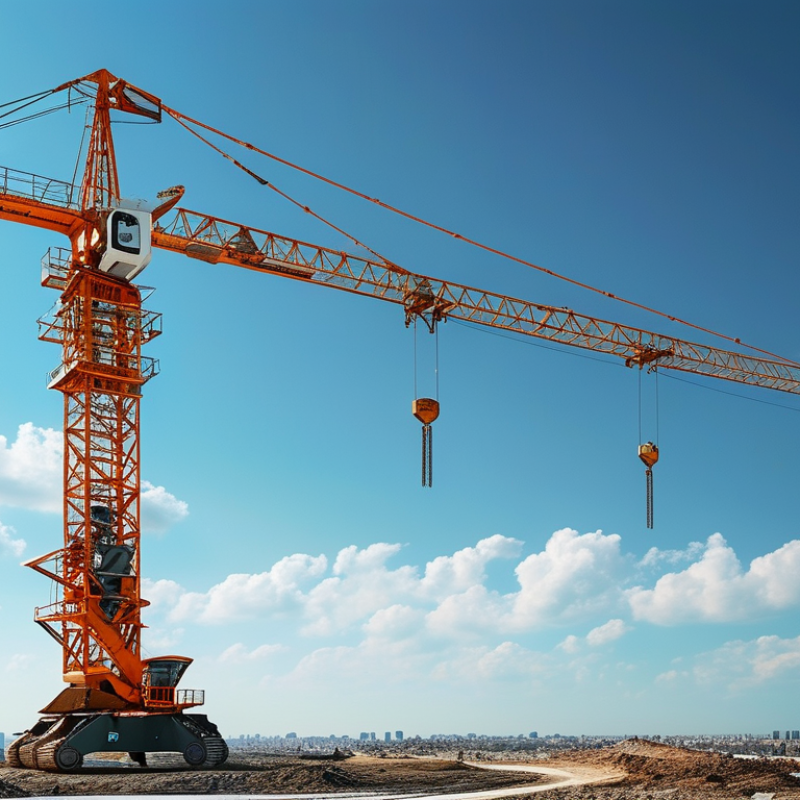
For instance, hammer-head cranes, known for their high lifting capacity, are ideal for large-scale construction. These cranes can lift loads up to 18 tons, making them suitable for skyscrapers and large commercial buildings.
Luffing-jib cranes are another option. They offer improved maneuverability in congested urban areas. Their ability to swing loads in tight spaces can enhance safety and efficiency.
Research indicates these cranes have become increasingly popular, especially in city environments. Around 30% of urban projects now utilize luffing-jib models.
However, selecting the right crane isn’t straightforward. Construction managers often face setbacks due to incorrect crane choices. According to industry data, about 20% of project delays arise from inadequate lifting equipment.
Understanding the specific requirements of your project, such as site layout and load capacity, is crucial. Engaging experienced professionals in your planning can minimize risks and optimize efficiency in crane selection.
Assessing Project Requirements: Weight, Height, and Reach Considerations
When selecting a tower crane mobile for your project, it’s crucial to assess specific project requirements. Weight is a primary consideration. Determine the heaviest loads you expect to lift. This ensures the crane can handle the necessary weight without strain. Overestimating a crane's capability can lead to accidents.
Height is another key factor. Consider the tallest structures in your project. A crane must provide the reach needed to lift materials to the required elevation. Understanding the maximum height helps avoid operational issues later. If the crane falls short, delays will inevitably occur, impacting your timeline.
Reach is equally significant. Analyze the dimensions of your worksite. The crane must extend far enough to cover the entire area. A lack of reach can create blind spots and hinder productivity. Reflect on your needs carefully to prevent costly mistakes. Taking these steps helps ensure that you choose the right mobile tower crane for project success.
Top Tips for Choosing the Right Tower Crane Mobile for Your Project
| Project Type |
Weight Capacity (tons) |
Max Height (m) |
Max Reach (m) |
Recommended Crane Type |
| Residential Construction |
10 |
30 |
25 |
Small Tower Crane |
| Commercial Building |
15 |
50 |
40 |
Medium Tower Crane |
| Industrial Construction |
25 |
70 |
60 |
Heavy Duty Tower Crane |
| Infrastructure Projects |
40 |
80 |
70 |
Lattice Tower Crane |
Evaluating Site Conditions: Ground Stability and Space Availability
When choosing a tower crane mobile for your project, evaluating site conditions is crucial. Ground stability directly affects crane operation and safety. According to a recent industry report, nearly 40% of crane incidents stem from unstable ground conditions. An unstable foundation can lead to tipping or sinkage, jeopardizing both machinery and personnel.
Space availability is another vital aspect in assessing your site. Cranes require ample room for swing radius and assembly. It's not just about fitting the crane itself; it's about ensuring free movement. The American Society of Civil Engineers advises that surrounding areas should provide at least 1.5 times the height of the crane for safe operation. Site congestion can hinder this, increasing risks.
Consider soil type, drainage, and proximity to existing structures. Soft soils may need reinforcement, which can increase costs. In some cases, you might discover unexpected subsurface conditions that require additional assessments. Every project site has unique challenges that demand careful planning and expert evaluations. Be wary of overlooking any detail, as even minor factors can lead to significant setbacks.
Budgeting for a Tower Crane: Cost Considerations and Financing Options
Budgeting for a tower crane is critical. Understanding costs can prevent overspending. The typical costs for tower cranes range from $15,000 to $60,000, depending on specifications. Newly published industry reports indicate that operating expenses add another layer. Daily rental rates can reach $1,500 to $3,000. This figure varies based on the crane type and project duration.
Financing options are also crucial. Many contractors use leasing or rent-to-own plans. These can reduce upfront costs. Research shows that nearly 70% of construction companies prefer leasing to manage expenses. However, it’s essential to evaluate long-term costs. Some firms might think short-term savings are ideal, but this can lead to higher total expenditure over time.
Another concern is maintenance costs. Regular checks and repairs can accumulate quickly. Industry studies highlight that maintenance can account for 20% of a crane's operating budget. Projects can be derailed by unexpected breakdowns, leading to delays and additional costs. Thus, careful planning and analysis are necessary to avoid pitfalls associated with budgeting for a tower crane.
Safety Regulations and Compliance: Ensuring Secure Operations and Use
When choosing a tower crane mobile for your project, safety regulations cannot be overlooked. Compliance with local and international safety standards is crucial. These rules are designed to protect workers and ensure a secure working environment. Not adhering to these guidelines can lead to severe consequences, including accidents and legal issues.
Every construction site has unique challenges. Therefore, understanding these regulations helps in selecting a suitable crane. Inspect the crane’s load limit, height, and stability features. Ensure that the equipment meets all regulatory certifications. Local regulations may require specific inspections or documentation. Ignoring these details can pose risks.
Training is another critical aspect of safety. Your team should be well-versed in operating the crane. They should understand the risks involved. Regular safety drills reinforce knowledge and preparedness. Encourage open communication about safety concerns. Reflecting on past incidents can help improve future safety measures. Each project offers a learning opportunity to enhance safety protocols and compliance.
Top Tips for Choosing the Right Tower Crane Mobile for Your Project
This bar chart illustrates the importance of various safety regulations and compliance aspects to ensure secure operations when selecting a tower crane mobile. Each aspect is rated on a scale from 1 to 10 based on its significance for project safety.