How to Choose the Right Tower Crane Rental for Your Project?
Choosing the right tower crane rental for your project can be challenging. A tower crane is a vital piece of equipment on construction sites. It helps lift heavy materials and works efficiently in tight spaces. However, not all hires are equal. Contractors often face mistakes in selecting the right type for their needs.
Different projects require specific cranes. Heights, loads, and site conditions play crucial roles. A poorly chosen crane may lead to delays and increased costs. For instance, using a smaller crane may extend the time needed for material deliveries. Meanwhile, a larger crane can add unnecessary expenses. Assessing your needs is essential to avoid these pitfalls.
Start by evaluating your project requirements. Understand the weight and type of materials involved. Know the site layout and height restrictions. These factors will guide your decision on the suitable tower crane rental. Make sure to communicate with rental companies. They can provide valuable insights and help you make a more informed choice. Remember, your crane rental can significantly impact project success.
Understanding Your Project Requirements for Tower Crane Rental
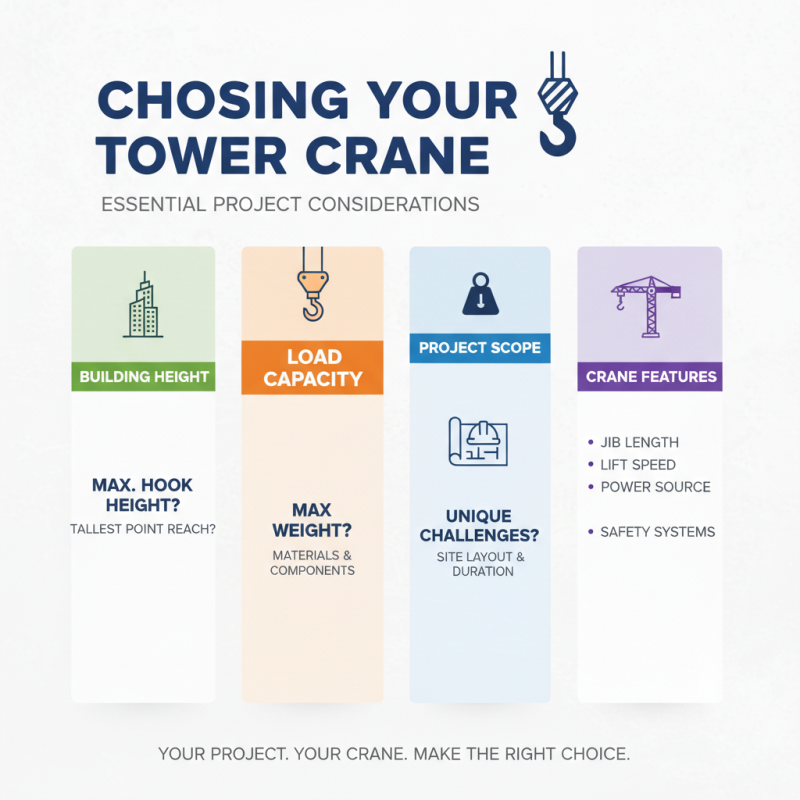
Choosing the right tower crane for your project is crucial. Start by understanding specific project requirements. What is the height of your building? Consider the load capacities you need. Each project has unique challenges. Make a list of essential features required for your tower crane.
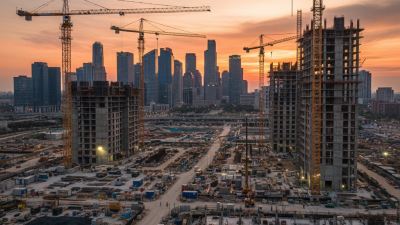
Next, assess the site conditions. Is there limited space? If so, a smaller tower crane might be sufficient. Think about the site’s accessibility too. Will large trucks reach the location? Reflecting on these factors can help avoid last-minute complications. Discuss these details with your team.
Consider how often cranes will be used. Frequent use may justify a larger crane. However, if it is a one-time project, a rental is ideal. Remember, not every crane is suitable for all tasks. Balancing size, power, and function is vital. Reflect on what your project truly requires.
Evaluating Tower Crane Types and Their Suitability for Your Project
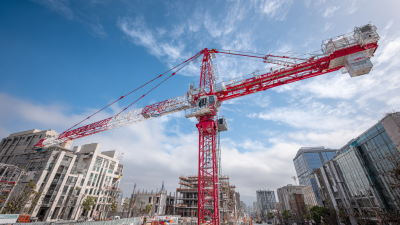
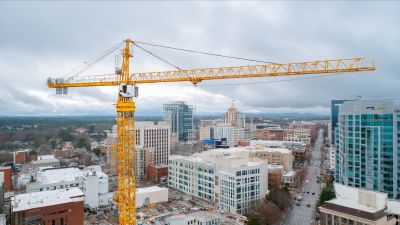
Choosing the right tower crane for your project is crucial. Different types of tower cranes serve distinct purposes. For instance, flat-top cranes are ideal for urban settings. They have no obstruction on top, allowing for easy transport.
Luffing jib cranes are perfect for tight spaces. They can lift loads higher while reducing the swing radius.
Consider your project requirements carefully. Analyze the height and reach needed for your job site. Some cranes have a limited range, which can be problematic. Heavy loads demand cranes with robust capacity. Ensure the crane can handle the heaviest materials on-site. It’s worth noting that the wrong choice can lead to delays.
Accessibility to the site also matters. If the location has narrow roads, larger cranes may not fit. This can lead to logistical challenges. Furthermore, consider the project timeline. Some cranes have longer setup times, which may affect schedules. Adjust accordingly to avoid costly mistakes. Always have a backup plan for unexpected challenges.
Assessing Rental Costs and Budget Considerations for Tower Cranes
When renting a tower crane, understanding your budget is crucial. Rental costs can vary widely. Factors such as the crane's height, load capacity, and rental duration play significant roles. It's essential to gather multiple quotes and compare what each provider offers. Don’t forget to ask about hidden fees, such as transportation or setup costs.
Consider potential overages. Projects often extend beyond initial timelines. This can inflate costs unexpectedly. Setting a flexible budget may help. You might allocate extra funds for unforeseen expenses. Review previous projects to gauge possible challenges. It’s not always smooth sailing. You may encounter delays or equipment issues, so be prepared.
Assessing your project's specific needs is essential. Do you need the crane for a few days or several months? Discuss with your team the expected timeline and site conditions. Sometimes, opting for a lower-cost option can lead to issues down the line. Reflect on how your choices align with your budget and project goals. Every detail matters.
How to Choose the Right Tower Crane Rental for Your Project
This bar chart illustrates the estimated costs involved in renting a tower crane for construction projects. Understanding these costs can help in choosing the right rental option based on your budgetary considerations.
Checking Crane Rental Company Reputation and Customer Reviews
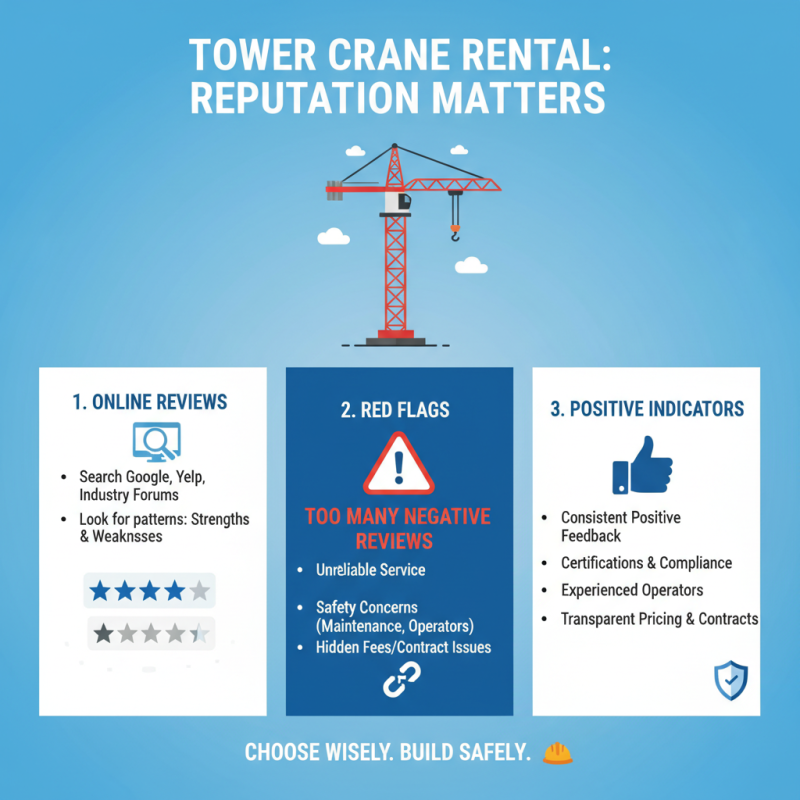
When choosing a tower crane rental, examining the reputation of the company is crucial. Start by looking for online reviews. Customers often share honest experiences that reveal both strengths and weaknesses. One glaring issue might be a company with too many negative reviews. This could indicate unreliable service or safety concerns.
Pay attention to patterns in the feedback. Repeated issues may suggest underlying problems. Look for companies that respond to criticism constructively. A responsive company shows they care about their customers. Additionally, check if they have positive reviews focusing on equipment quality and maintenance. This can significantly affect your project timeline and safety.
Don't hesitate to ask for references. Speaking directly to previous clients can give you insight that reviews cannot. Some might even share unfiltered experiences or warning signs. While it’s tempting to focus solely on cost, remember that cheaper options may come with risk. Ultimately, a well-reviewed company might save you time and money in the long run. Keep these points in mind, and you'll make a better choice for your project.
Understanding Rental Terms, Conditions, and Insurance Requirements
When renting a tower crane, understanding rental terms and conditions is crucial. What do the terms really mean? Many rentals include clauses about usage duration and costs. Make sure to clarify these upfront. Hidden fees can add up fast.
Insurance requirements also play a vital role in the rental process. Some companies may mandate specific coverage levels. Always check if you need additional policies. This can protect you from liabilities during operation.
Tip: Before signing the rental agreement, read it thoroughly. Ask questions about unclear terms.
In case of damage, who is responsible? This could shift costs significantly. Examine how damages and accidents are handled in the terms. Taking time to review these details can save you from unexpected expenses.
Tip: Ensure you have a clear plan for crane operation. Salary and expertise of the operator matter. A skilled operator helps avoid mishaps and costly repairs.