How to Choose the Best Tower Crane Rental for Your Project?
Choosing the right tower crane rental can significantly influence the success of your construction project. According to Mike Anderson, a leading expert in the Tower Crane Rental industry, "Selecting the right equipment can make or break your project timeline." This highlights the critical decision-making involved.
Every project has unique requirements. Factors such as height, weight capacity, and site conditions must align with your project goals. The wrong choice can lead to delays and increased costs. Consider what you truly need rather than settling for the most convenient option.
Additionally, reliability in your tower crane rental provider is key. Look for a company with a solid track record and positive reviews. Trustworthiness matters greatly in this field. Sometimes, a low price may signal underlying issues. Reflect on these aspects when making your decision. Your project deserves nothing less than the best.
Understanding Your Project Requirements for Crane Rental
When considering a tower crane rental, understanding the specific requirements of your project is crucial. Evaluate site conditions, load capacities, and lift heights. According to a report by the Crane Industry Council, about 70% of crane-related issues arise from mismatched equipment and project needs. Ensure that the crane's specifications align with your workload to prevent unexpected delays.
Load capacity is a primary concern. Most cranes can lift between 10 to 25 tons, depending on the model and configuration. For heavy-duty projects, consider the exact weight and frequency of lifts. It's essential to analyze the operational environment, such as wind and nearby obstacles, which can significantly affect crane performance. A study by the Occupational Safety and Health Administration (OSHA) revealed that improper crane selection could lead to up to 50% of incidents on construction sites.
Don’t overlook local regulations and safety standards. Each region may impose specific requirements for crane use. Familiarizing yourself with these details can avoid costly penalties. Remember, effective communication with your rental provider is vital. Discussing project complexity, timelines, and potential challenges ensures that you choose a crane that fits seamlessly into your workflow. Ignoring these factors may lead to setbacks, hindering your project's success.
Evaluating Different Types of Tower Cranes for Your Needs
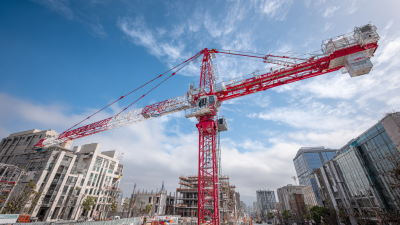
Choosing the right tower crane for your project is crucial. Different types of tower cranes are tailored to varying construction requirements. For example, the flat-top crane suits urban environments with height restrictions. These cranes can reach impressive heights and allow efficient construction in congested areas.
Another option is the luffing jib crane. Its unique design enables it to operate in limited spaces. According to industry data, this type of crane has gained popularity in high-rise projects, particularly in densely populated areas. Having the right crane ensures safety, efficiency, and cost-effectiveness throughout the project duration.
**Tip:** Before finalizing a rental, assess the lifting capacity you require. This decision directly affects the crane type needed and ultimately impacts your project timeline.
When exploring options, never overlook the logistical aspects. Crane delivery and setup times can vary. Poor planning in this area can delay your project significantly. A study by the American National Standards Institute highlights the importance of this factor.
**Tip:** Evaluate potential rental companies based on their service response times. Reliable support minimizes disruptions, helping your project stay on track.
Assessing Rental Companies and Their Reputation
When selecting a tower crane rental, evaluating the company's reputation is crucial. Begin by researching online reviews and testimonials to gauge past client experiences. Look for feedback on reliability and quality of the cranes provided. Investigate how timely and professional their service is. Did clients feel supported throughout their project? Check various platforms for a balanced view.
Additionally, seek recommendations from industry peers. Personal experiences can provide deeper insights than online reviews alone. You might find that the best information comes from those who have faced similar project challenges. A company might claim to be reliable, but hear from users about real-life issues.
Inquire about the company's safety record. A good rental service should prioritize safety training and proper maintenance of its cranes. However, some companies may lack transparency in their safety practices. This gap could lead to potential risks on-site. Always push for clarity about their safety standards and practices. Make sure you feel confident in their processes and commitment to worker safety.
Comparing Rental Costs and Contract Terms
When selecting a tower crane rental, understanding rental costs and contract terms is crucial. Typical rental prices vary significantly based on the crane's type, location, and project duration. Industry reports indicate that rental costs can range from $10,000 to over $25,000 per month. It's essential to evaluate these figures in the context of your budget and project needs. Knowledge of market rates helps in negotiating favorable terms.
Contract terms can be equally complex. Many rentals require upfront deposits, often 20% of the total cost. Additionally, check for clauses regarding maintenance, damage liability, and insurance coverage. Allowing for extra costs in your budget is wise, as unexpected repairs can quickly escalate expenses. A detailed contract helps avoid disputes later.
Consider the length of rental periods. Short-term rentals may seem cheaper but often carry higher monthly rates. Long-term rentals could lead to savings, but also come with commitments. Balancing these aspects requires thorough research and honest reflection on project demands. Seek professional insights, as they can provide a clear understanding of industry norms and practices.
Ensuring Safety Standards and Compliance in Crane Rental
When selecting a tower crane rental, safety and compliance should be your top priority. According to a recent industry report, nearly 20% of crane accidents stem from failures in safety standards. This statistic underscores the need for rigorous safety checks before renting equipment. Ensure the rental company adheres to OSHA regulations and has a history of maintaining cranes properly.
Many experts recommend reviewing the crane's maintenance records. In one survey, 45% of project managers admitted they overlooked this crucial detail. Neglecting maintenance history can lead to unexpected breakdowns and safety hazards. It is vital to inspect the crane, checking for minor issues that could escalate. Regular inspections foster better compliance and enhance workplace safety.
Training is another critical safety aspect. The National Commission for the Certification of Crane Operators states that properly trained operators significantly reduce accident rates. Ensure that the rental firm provides adequate training and understands safety protocols. Investing in training not only meets compliance but also encourages a culture of safety on the job site.