How to Choose the Right Tower Crane Rental for Your Construction Project
When embarking on a construction project, selecting the right equipment is crucial to ensure efficiency and safety on the job site. One of the most significant pieces of machinery that plays a pivotal role in lifting and moving heavy materials is the tower crane. The importance of a proper tower crane rental cannot be overstated, as it can greatly influence the timeline and overall success of your project. This guide aims to help you navigate the complexities of choosing the right tower crane rental, ensuring that you make an informed decision tailored to your specific construction needs.
Evaluating factors such as the height, load capacity, and reach of the crane is essential when assessing your options. Additionally, understanding the site conditions, project scope, and duration will further aid in determining the best rental solution. Whether you are managing a high-rise development or a large-scale industrial project, leveraging the right tower crane rental can streamline operations, enhance productivity, and contribute to the safety of your crew. By taking the time to explore these considerations, you can optimize your construction process and achieve your project goals more effectively.

Factors to Consider When Selecting a Tower Crane Rental
When selecting a tower crane rental for your construction project, several critical factors demand careful consideration. First and foremost, assess the project’s specific lifting requirements, including the maximum load and the height to which materials will be lifted. According to the American National Standards Institute (ANSI), a well-defined load chart is essential for ensuring safety and efficiency on the job site. Understanding the specifications and capabilities of different cranes will help match the right crane to the job’s demands.
Another significant factor is the site conditions. Factors such as space limitations, ground stability, and proximity to surrounding structures can impact crane operation. A report from the Construction Industry Institute (CII) highlights that improper site assessments can lead to project delays and increased costs. Consulting with engineers and project managers to evaluate the site’s characteristics is crucial in choosing the appropriate crane type and configuration.
**Tips:**
- Always check the crane’s maintenance records and ensure it is operated by certified personnel to minimize downtime and ensure safety.
- Consider additional factors like transportation logistics and setup time, as these can greatly affect your project’s timeline and costs.
Taking these factors into account will enhance the chances of successful project execution, ensuring that your tower crane rental meets both operational and safety standards.
Factors to Consider When Selecting a Tower Crane Rental
Types of Tower Cranes and Their Applications in Construction
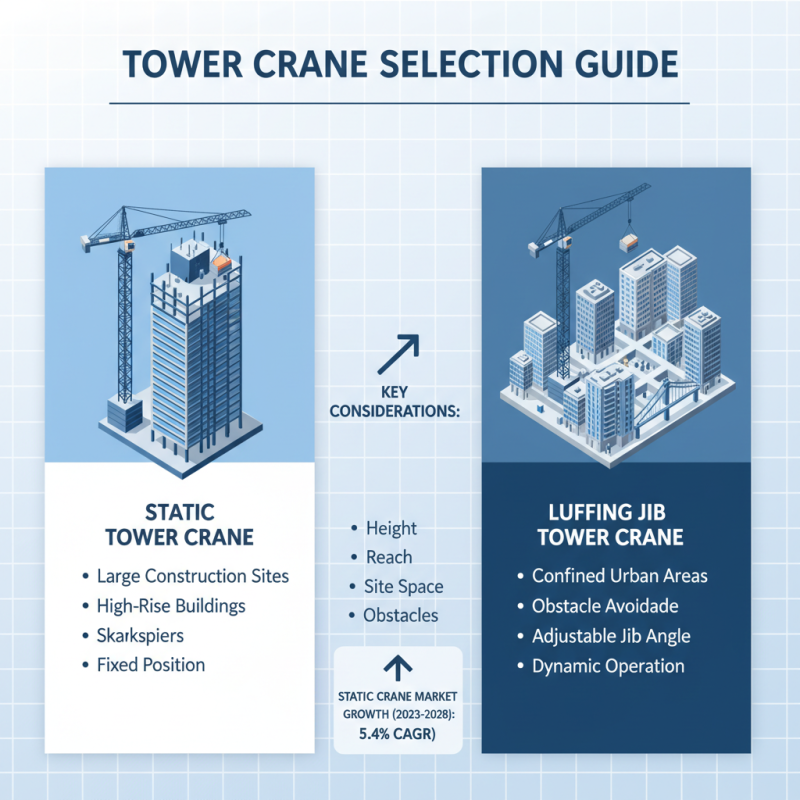
When it comes to selecting the right tower crane for your construction project, it's essential to understand the various types available and their specific applications. The two primary categories are static tower cranes and luffing jib tower cranes. Static tower cranes are typically used in large construction sites where height is a significant requirement, such as skyscrapers and high-rise buildings. According to a report by MarketsandMarkets, the demand for static tower cranes is expected to grow at a CAGR of 5.4% from 2023 to 2028, driven by ongoing urbanization and increased construction activities.
On the other hand, luffing jib tower cranes are ideal for confined spaces, where their ability to raise and lower the boom reduces the risk of obstruction—an essential feature in busy urban environments. These cranes are especially useful in projects involving redevelopment or renovations of existing structures, as they can operate close to other buildings without requiring significant maneuvering space. The International Tower Crane Association highlights that luffing jib cranes have become increasingly popular in metropolitan areas, accounting for approximately 30% of the tower crane market in dense urban settings.
Additionally, hammerhead tower cranes, characterized by their horizontal jibs and fast lifting capabilities, are suitable for large scale projects requiring high precision. They are commonly employed in the construction of bridges, large commercial buildings, and power plants. Understanding the unique applications and strengths of each type of tower crane will help project managers make informed decisions that enhance efficiency, safety, and overall project success.
Evaluating Rental Costs and Budget Constraints for Cranes
When it comes to selecting the right tower crane rental for your construction project, understanding rental costs and budget constraints is crucial. Industry reports indicate that crane rental costs can range from $15,000 to $30,000 monthly, depending on the crane's model, capacity, and location. For instance, a high-capacity tower crane might come at a premium, sometimes exceeding $50,000 for specialized models required for heavy lifting in complex construction jobs. Therefore, it's essential to assess your project's specific needs, including the type of work, duration, and weight loads, to find a balance between capability and cost.
Moreover, while evaluating budget constraints, it’s critical to consider not just rental fees but also associated costs such as delivery, setup, and operator expenses. According to a study by the Construction Industry Institute, the total cost of tower crane ownership and operation can often exceed initial rental estimates by as much as 25% due to these additional factors. Therefore, engaging in thorough budgeting and cost evaluation upfront can prevent unexpected financial strain during the project's lifecycle.
By developing a comprehensive financial plan that considers all potential expenditures, construction managers can ensure that their projects run smoothly without compromising on quality or safety.
Assessing Site Conditions and Crane Capacity Requirements
When selecting a tower crane rental for your construction project, assessing site conditions and crane capacity requirements is paramount. According to the 2021 report by the National Association of Tower Cranes, understanding the specific site conditions such as ground stability, access routes, and proximity to existing structures can significantly impact crane performance and safety. For instance, soft or uneven ground may require additional foundation support or a different type of crane, which brings us to the importance of conducting a thorough site survey before making any decisions.
Crane capacity is another critical factor that cannot be overlooked. The capacity is determined by the maximum load the crane can safely lift at varying radii. The American Society of Civil Engineers (ASCE) recommends calculating the total load, including the crafted material, rigging equipment, and any additional loads that may be introduced during the project. It is essential to ensure that the crane can comfortably handle not just the maximum expected load but also any potential fluctuations that might occur during operation. Improper capacity assessments can lead to accidents or delays, as a study by the Occupational Safety and Health Administration (OSHA) noted that improper crane usage accounted for nearly 20% of construction-related fatalities in recent years. Therefore, meticulous evaluation of both site conditions and load capacities will aid in selecting the most suitable tower crane for the success and safety of your construction project.
Understanding Rental Agreements and Terms for Tower Cranes
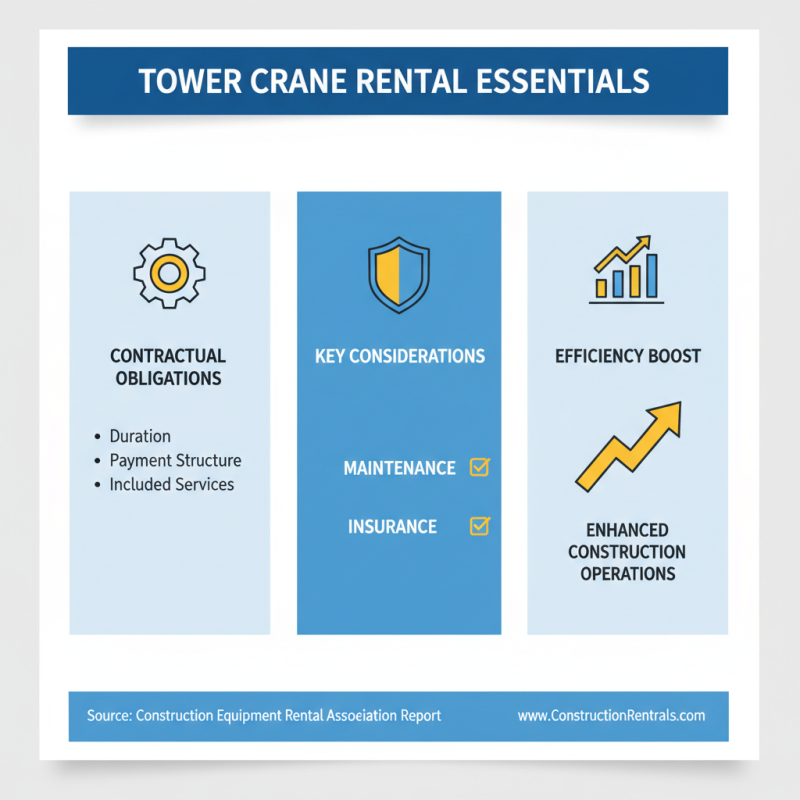
When considering the rental of tower cranes for construction projects, understanding rental agreements and terms is crucial. Tower cranes can significantly enhance the efficiency of construction operations, but they come with complex contractual obligations that must be navigated carefully. According to a recent report by the Construction Equipment Rental Association, rental agreements can vary widely in terms of duration, payment structure, and included services. It's essential to clarify whether the rental fee includes maintenance and insurance, as these factors can greatly affect the overall cost and responsibilities.
One key aspect of rental agreements is the duration of the rental period. The average rental duration for tower cranes can range from a few weeks to several months, depending on the project's scope. The Construction Industry Institute indicates that longer rental periods often result in lower weekly rates. Additionally, it's vital to analyze the terms regarding liability and damage. Most lease agreements allocate maintenance responsibilities and risk assessments to the renter; thus, comprehensively reviewing clauses concerning damage liability and safe operation procedures is imperative for mitigating unforeseen costs.
Lastly, it's essential to consider the included specifications and configurations of the crane being rented. Different construction projects may require different types of cranes, with lifting capacities and heights tailored to specific tasks. The American Society of Civil Engineers emphasizes that selecting the right crane type can improve project timelines and safety. In summary, a thorough understanding of rental terms and conditions not only ensures compliance with legal requirements but also maximizes the efficiency and safety of tower crane operations on construction sites.