How to Choose the Best Tower Crane Rental for Your Construction Project
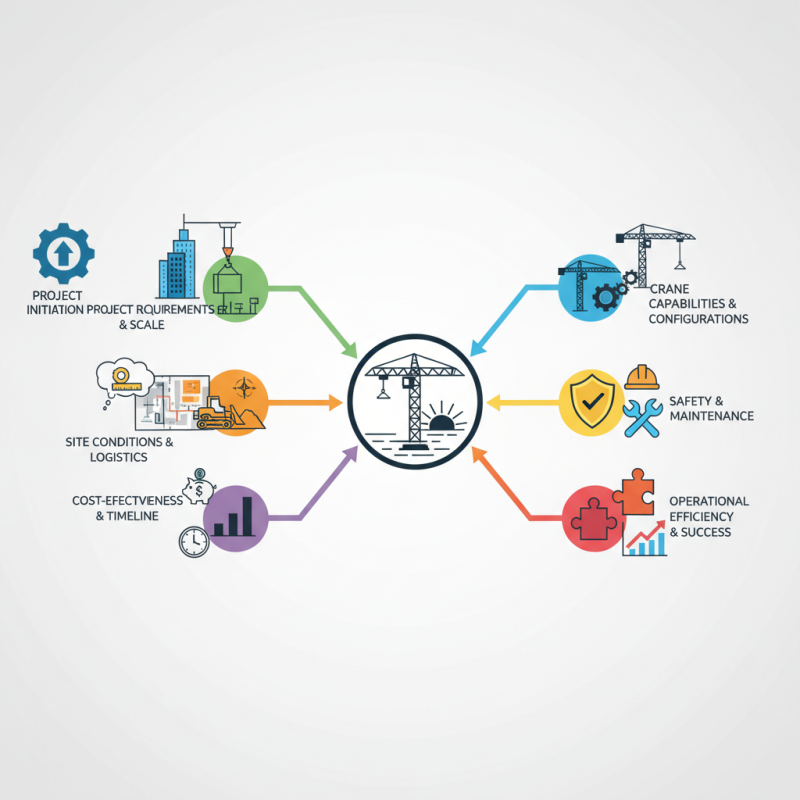
When embarking on a construction project, one of the pivotal decisions to make is the choice of equipment, particularly the selection of a suitable tower crane rental. Tower cranes are essential for efficiently lifting and moving heavy materials on-site, making them indispensable for high-rise buildings and large-scale construction. Choosing the right tower crane rental not only impacts the operational efficiency of your project but also influences overall safety, cost-effectiveness, and completion timelines.
In this guide, we will delve into the critical factors to consider when selecting a tower crane rental, ensuring that you have the tools necessary to make informed decisions. From assessing the project's specific requirements and site conditions to examining the capabilities and configurations of various crane models, our insights will help you navigate the complexities of the rental process. By focusing on the right tower crane rental, you can maximize productivity and ensure the successful execution of your construction plans.
Understanding the Types of Tower Cranes Available for Rent
When selecting a tower crane for your construction project, understanding the different types available for rent is crucial. Generally, tower cranes can be broadly categorized into two main types:
fixed and luffing cranes.
Fixed tower cranes are the most common; they are usually positioned on a concrete base and have a large height advantage, allowing them to lift heavy materials over long distances. Their stable structure is particularly beneficial for projects requiring extensive vertical movement, but they are less maneuverable in constrained spaces.
On the other hand, luffing cranes offer greater flexibility in tight urban environments. These cranes can swing their jibs without requiring significant lateral movement, which is beneficial for projects close to other structures.
Luffing cranes are also advantageous for lifting loads at various angles, making them ideal for multi-directional lifts in crowded construction sites. Understanding these fundamental distinctions can help you make informed decisions when renting a tower crane tailored to the specific needs and constraints of your project.
Evaluating the Weight Capacity and Reach of Tower Cranes
When selecting a tower crane for your construction project, evaluating its
weight capacity and reach is crucial.
Weight capacity refers to the maximum load that a crane can safely lift and move.
This factor is influenced by the crane's design, configuration, and the type of materials being handled.
It's essential to assess the project's specific requirements, including the heaviest components and the materials that
will be transported, to ensure the crane can effectively manage these loads without risking safety or efficiency.
Reach, on the other hand, pertains to how far the crane can extend its boom to access different areas of the
construction site. A crane with insufficient reach may not be able to position materials precisely where needed,
leading to delays and increased labor costs. When evaluating a tower crane's reach, consider the layout of your
site, including any obstacles that may limit accessibility. A thorough understanding of these two factors—weight capacity
and reach—will provide a solid foundation for selecting a tower crane that meets the needs of your construction
project, ultimately contributing to a seamless workflow and successful project completion.
Assessing Rental Terms and Costs for Your Construction Budget
When selecting a tower crane rental for your construction project, carefully assessing rental terms and costs is essential to ensure you stay within your budget. Begin by comparing different rental agreements, including the duration of the rental and any included services, such as maintenance and insurance. Understanding the specifics of the rental terms can help you avoid unexpected expenses and ensure that you are fully aware of your responsibilities as a renter. Look for options that offer flexibility in rental durations, especially if your project's timeline is uncertain.
Next, consider the overall costs involved beyond the basic rental fee. This includes delivery charges, setup costs, and any additional equipment that may be necessary for operating the crane safely. It's also wise to evaluate the potential costs of downtime, which can accumulate if the crane isn't functioning optimally during the rental period. By performing a comprehensive cost analysis, you can make an informed decision that balances quality and budget considerations, ultimately ensuring a smoother and more efficient construction process.
Cost Comparison of Different Tower Crane Rentals
Identifying Safety Features and Compliance Standards
When selecting a tower crane for rental, it is crucial to prioritize safety features and compliance standards to ensure a secure and efficient construction project. First and foremost, assess the crane’s design for built-in safety mechanisms such as load limiters, anti-collision systems, and emergency stop functions. These features are essential in preventing accidents and protecting both workers and equipment on-site. Furthermore, inspect the documentation related to the crane’s safety certifications, making sure it meets all industry regulations and standards.
Beyond the visible safety features, it’s important to verify the crane’s compliance with local and national regulations. This includes understanding the relevant codes and guidelines set forth by construction safety authorities. A reputable rental company should provide clear evidence of compliance, including up-to-date inspection records and maintenance logs. Collaborating with professionals who are knowledgeable about these standards can help ensure that the chosen crane not only performs efficiently but also adheres to the safety norms necessary for protection against potential risks during operations.
Choosing a Reliable Rental Company: Key Factors to Consider
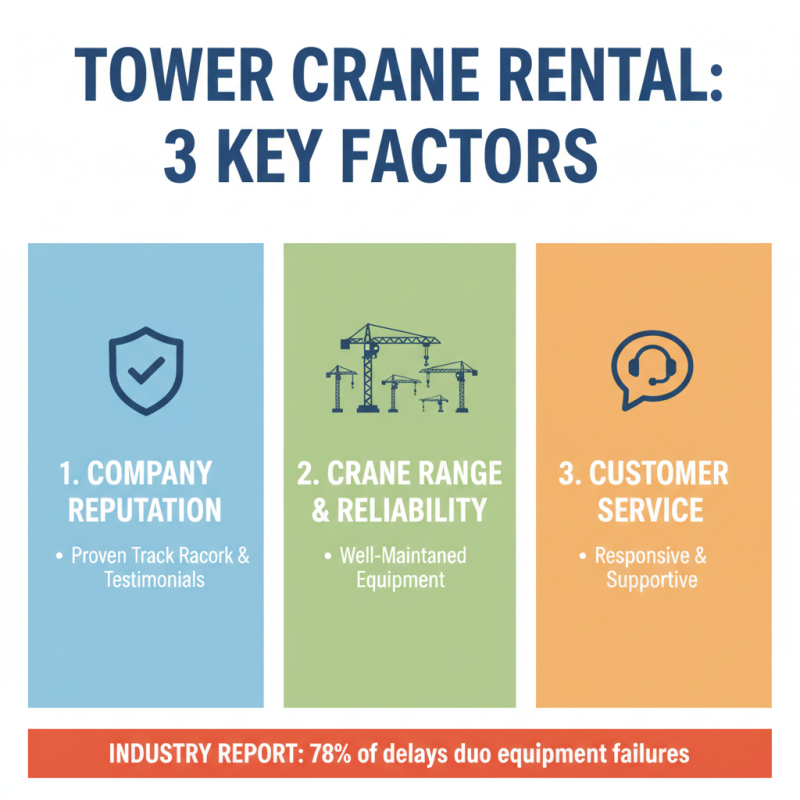
When selecting a tower crane rental for your construction project, choosing a reliable rental company is crucial. Key factors to consider include the company’s reputation, the range of cranes available, and the quality of customer service. According to the latest industry report from the Crane Rental Association, 78% of construction delays are attributed to equipment failures, making it essential to partner with a company that provides well-maintained and reliable equipment. Look for rental companies that have a proven track record and positive testimonials, as these can indicate a higher likelihood of delivering quality service.
Another critical aspect is the flexibility of rental agreements. A reputable rental company should be willing to tailor their services to meet your project’s specific needs. This can include options for short-term or long-term rentals, as well as provisions for on-site support and maintenance. A study by the Equipment Leasing and Finance Association shows that projects that have access to responsive service personnel experience 30% fewer downtimes. Therefore, ensure your chosen company offers proactive support and resources.
**Tips:** When evaluating potential rental companies, ask about their safety record and certifications. This is not only vital for compliance but also reflects their commitment to operational excellence. Additionally, inquire about their fleet's age and maintenance history to ensure that you are renting equipment that meets industry standards and regulations.