How to Choose the Best Tower Crane Rental for Your Construction Project
In the ever-evolving realm of construction, selecting the right equipment is crucial for the success of any project. Among the most significant decisions a project manager faces is choosing a reliable Tower Crane Rental service. As John Thompson, a renowned expert in construction logistics, aptly puts it, “The right tower crane can not only enhance productivity but also ensure safety on the job site.” With numerous options available, understanding the specific requirements of your construction project is essential for making an informed decision.
When contemplating a Tower Crane Rental, factors such as site conditions, load capacity, and the duration of the rental play a vital role. Each project has its unique challenges that can greatly influence the type of tower crane required. By engaging with experienced rental providers and clarifying your project needs, you can navigate the complexities of rental options more effectively, ensuring optimal efficiency and performance.
In this article, we will discuss the key considerations to keep in mind when selecting a Tower Crane Rental, emphasizing the importance of assessing your project’s scope and requirements. By the end, you will possess valuable insights that will assist in making the best possible choice, ultimately leading to a successful and streamlined construction process.
Understanding the Basics of Tower Cranes and Their Functions
Tower cranes are essential for large-scale construction projects, offering significant advantages in lifting heavy materials to great heights. They consist of a strong frame, a vertical mast, and a rotating jib, allowing them to perform complex maneuvers efficiently. The height and lifting capacity of tower cranes can vary markedly—many can reach heights of over 200 feet and lift loads exceeding 20 tons. According to the Global Construction Equipment Market Report, the demand for tower cranes is projected to grow by 4% annually through 2025, underscoring their importance in modern construction.
When selecting a tower crane rental, it is vital to understand its functions. Tower cranes can rotate around a central vertical axis, making them highly versatile for various tasks, including hoisting concrete, steel, and other heavy items. Additionally, their ability to reach high elevations permits construction in densely built urban environments, where space is limited. The key is to determine the appropriate crane type based on the specific requirements of your project, including height, load capacity, and the site layout.
Tips: When renting a tower crane, ensure that the rental company provides a comprehensive assessment of site conditions and project requirements. Consider the crane's maximum height and reach to match it with the tallest structures on your site. Furthermore, always check for any necessary permits or regulations in your area that might impact crane operations. By adhering to these guidelines, you can optimize efficiency and safety on your construction site.
Assessing the Specific Needs of Your Construction Project
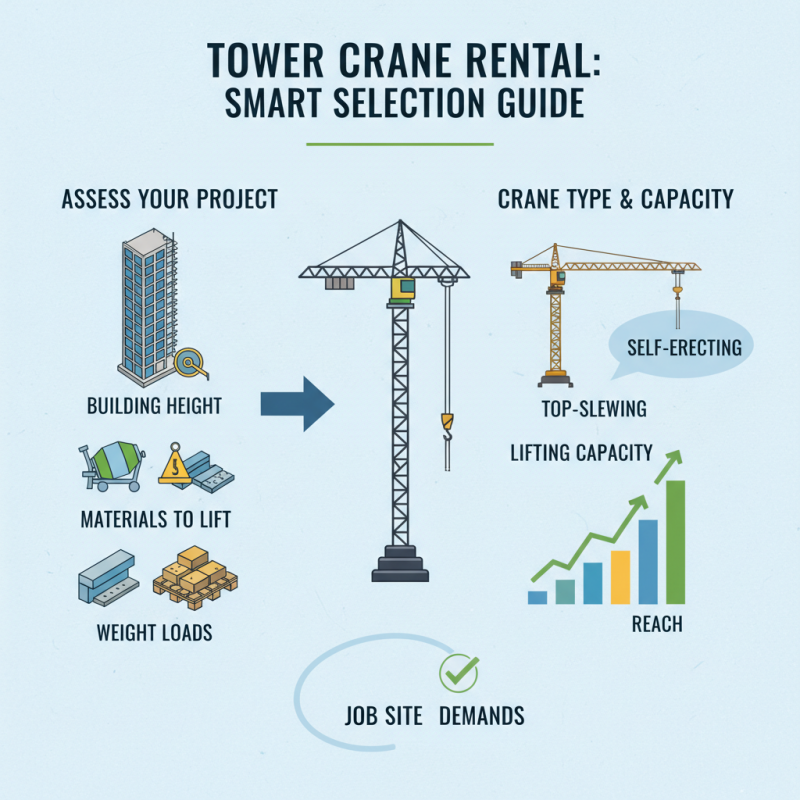
When selecting the best tower crane rental for your construction project, it's essential to assess the specific needs of your operation. Begin by evaluating the size and scope of your project. Consider factors such as the height of the building, the materials to be lifted, and the overall weight loads. This information will help you determine the type and capacity of the tower crane required, ensuring it can handle the demands of your job site.
Tips: Always consult with your project managers and engineers to understand the precise specifications needed for your crane. Involving them early in the process can prevent costly mistakes and help identify the right crane type, whether it be a hammerhead, luffing jib, or flat-top crane.
Moreover, assess the site conditions where the crane will be operated. Look for any potential obstacles like nearby structures, power lines, or uneven terrain that may impact crane operation. Understanding site logistics is crucial, as it will influence crane placement and movement during the project.
Tips: Conduct a thorough site survey to identify any limitations that can affect the crane's performance and safety. Also, ensure that your chosen rental company provides comprehensive support, including site visits and professional installation, to address any challenges upfront.
Evaluating Different Types of Tower Cranes Available for Rent
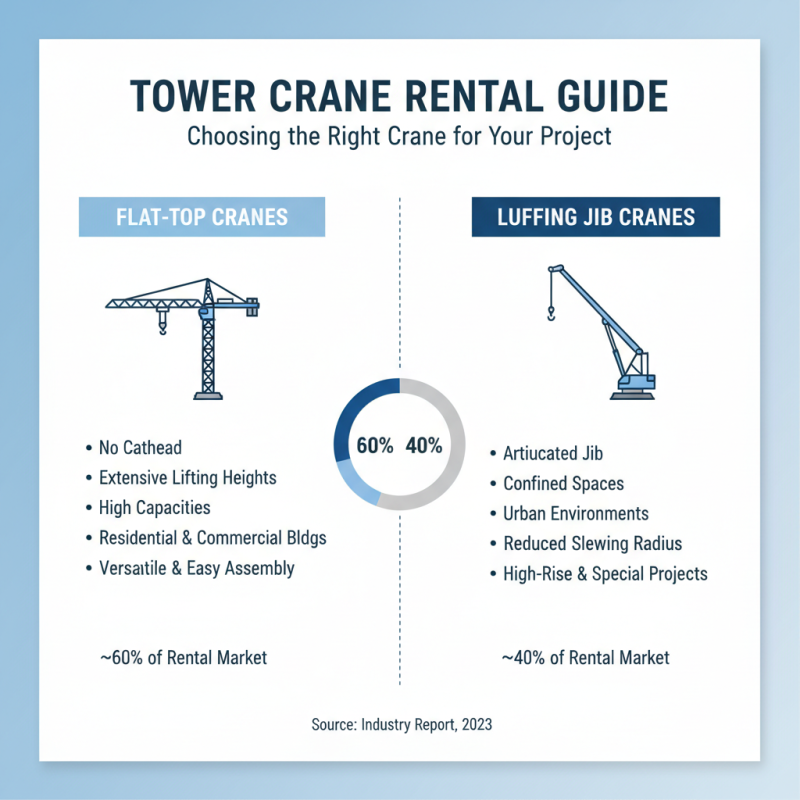
When evaluating different types of tower cranes available for rent, it is essential to consider the specific requirements of your construction project, including the site's characteristics and the types of materials being handled. There are primarily two types of tower cranes: flat-top and luffing jib cranes. Flat-top cranes are typically utilized for projects requiring extensive lifting heights and capacities, making them favorable for residential and commercial buildings. According to a recent industry report, flat-top cranes account for approximately 60% of the tower crane rental market due to their versatility and ease of assembly on various job sites.
On the other hand, luffing jib cranes are ideal for urban environments where space is constrained. Their ability to lift loads vertically without swinging makes them exceptionally suitable for sites located near existing structures. Current market trends indicate that luffing jib cranes have been experiencing a rise in demand, helping contractors maximize operational efficiency in limited spaces. A survey from the International Construction Association noted that over 40% of contractors reported a preference for luffing jib cranes in metropolitan construction scenarios, highlighting a shift towards more agile crane solutions that meet the challenges of modern urban development. Understanding these distinctions will guide contractors in selecting the appropriate crane type that aligns with project needs and site conditions.
Comparing Rental Costs and Contract Terms from Various Providers
When selecting a tower crane rental for your construction project, it's imperative to carefully analyze the rental costs and contract terms offered by different providers. According to a report by the American Rental Association, crane rental costs can vary significantly based on factors like location, rental duration, and crane specifications. On average, contractors can expect to pay anywhere from $15,000 to $30,000 per month for a standard tower crane. However, it's essential to compare quotes from multiple providers, as service packages may include maintenance, operator rental, or insurance, which can ultimately affect the total expenditure.
In addition to the rental costs, scrutinizing the contract terms is crucial. A comprehensive study by the National Association of State Contractors Licensing Agencies emphasizes that flexible contract options can be beneficial, especially for projects with uncertain timelines. Look for terms that accommodate extended rental periods without exorbitant penalties, as most projects tend to experience delays. Contract clauses regarding equipment condition, responsibilities for damages, and liability coverage should also be thoroughly reviewed, ensuring that all eventualities are accounted for. By meticulously comparing these aspects, project managers can make informed decisions that align both with their budget and project requirements.
Key Factors to Consider for Safety and Compliance in Tower Crane Use
When selecting a tower crane for your construction project, safety and compliance should be your top priorities. Ensuring that the crane meets industry standards is crucial. Start by verifying that the rental company provides cranes that comply with local regulations and safety standards. This includes confirming that all necessary certifications are up to date.
Tips: Always request documentation that verifies the crane's compliance. This could include inspection reports and certifications from relevant authorities. It is vital that you understand how these documents reflect the crane's operational history and safety record.
Additionally, consider the safety features that come with the crane. Look for options that include overload protection systems, anti-collision devices, and adequate operator training. A well-equipped crane is integral to preventing accidents on-site.
Tips: Before finalizing your rental, ask for information regarding training programs for operators. This ensures that your team understands the operational limits and safety measures associated with the crane. Investing in operator training not only enhances safety but also boosts overall efficiency during your project.
How to Choose the Best Tower Crane Rental for Your Construction Project - Key Factors to Consider for Safety and Compliance in Tower Crane Use
| Key Factors |
Description |
Importance Level |
Compliance Standards |
| Capacity |
The maximum weight a tower crane can lift, critical for project specifications. |
High |
Local regulations and manufacturer guidelines |
| Height |
The height to which the crane can operate, impacting building height limits. |
High |
State and local zoning laws |
| Safety Features |
Includes emergency stop buttons and load indicators for safe operation. |
Critical |
OSHA standards, ANSI regulations |
| Mobility |
Ease of relocation and setup on the job site. |
Medium |
Varies by project site conditions |
| Insurance and Liability |
Consideration for rental agreements covering potential damages. |
High |
Insurance industry standards |
| Expertise of Operators |
Qualifications and training of crane operators for safe operation. |
Essential |
Training certification standards |