10 Best Mobile Tower Crane Models for Construction Projects?
In the fast-paced world of construction, the choice of equipment can significantly impact project success. One key piece is the Mobile Tower Crane. According to John Smith, a renowned expert in construction machinery, "The right Mobile Tower Crane can drastically decrease project timelines." His insights highlight the importance of selecting the right model for specific job requirements.
Mobile Tower Cranes are essential for urban projects. Their flexibility and compact design allow them to operate in constrained spaces. Many contractors praise their maneuverability and efficiency. However, not all models are created equal. Some may not perform well under specific conditions, leading to delays and increased costs. Understanding these nuances is crucial for effective decision-making.
Selecting the best Mobile Tower Crane involves evaluating various factors. Load capacity, height, and stability are vital. Additionally, companies must consider the terrain and site accessibility. It's essential to match the crane model with project needs. Although there are many options, investing time in research can prevent costly mistakes later on.

Importance of Mobile Tower Cranes in Modern Construction Projects
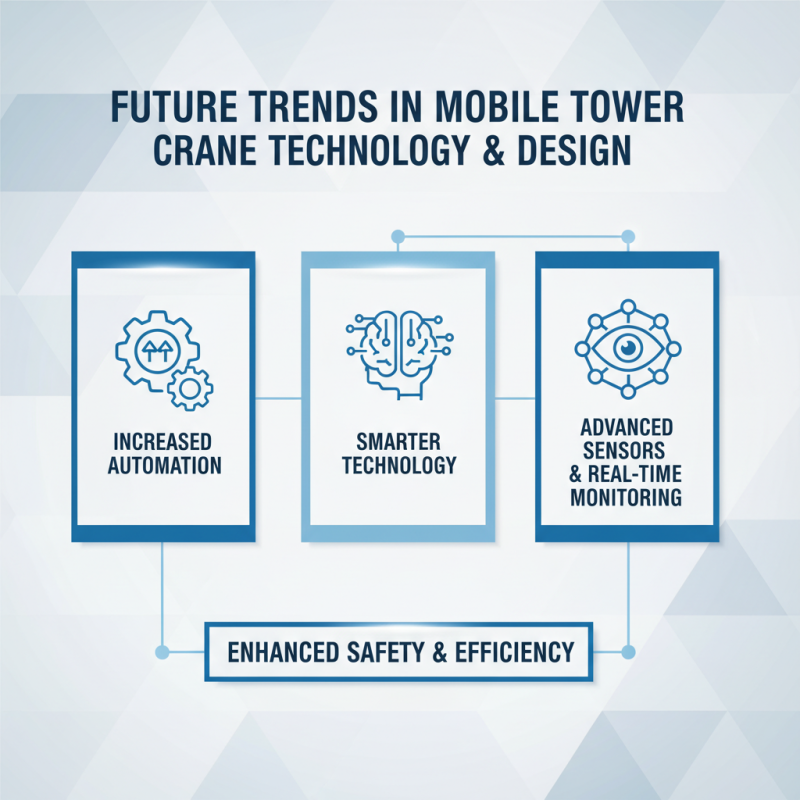
Mobile tower cranes play a crucial role in modern construction projects. Their ability to adapt to various sites makes them invaluable. According to a report from the International Federation of Robotics, the construction sector will increasingly rely on automation, including mobile cranes, to improve efficiency and safety. The versatility of mobile tower cranes allows them to handle large loads and reach heights that traditional cranes cannot.
In urban areas, space is often limited. Mobile tower cranes can be set up quickly, easing logistical challenges. A study by the Construction Industry Institute noted that the use of mobile cranes can reduce project times by up to 25%. These machines are not without flaws. Over-reliance on technology can lead to oversight, causing miscalculations in load management. It’s essential to ensure proper training for operators to mitigate risks.
The importance of mobile tower cranes also extends to safety improvements. With features like remote controls and advanced stability systems, they minimize accidents. However, data from the Occupational Safety and Health Administration reveals that improper use still leads to significant incidents. Continuous monitoring and training are necessary to uphold safety standards. Balancing innovation with careful operational practices remains a challenge in the industry.
10 Best Mobile Tower Crane Models for Construction Projects
| Model Name |
Max Load Capacity (tons) |
Height (m) |
Boom Length (m) |
Operational Range (m) |
Weight (kg) |
| Model A |
10 |
30 |
40 |
50 |
8000 |
| Model B |
8 |
28 |
35 |
45 |
7500 |
| Model C |
12 |
32 |
45 |
55 |
9500 |
| Model D |
9 |
25 |
38 |
48 |
7000 |
| Model E |
11 |
34 |
42 |
52 |
8500 |
Key Features to Consider When Selecting Mobile Tower Cranes
When selecting a mobile tower crane, various key features come into play. The lifting capacity is critical. It determines the weight the crane can handle on-site. Be sure to assess your project's needs carefully. A crane with a higher capacity might seem beneficial, but it can pose stability issues if not matched properly with the load requirements.
Pay attention to the height and reach of the crane. These dimensions will impact the versatility of the equipment on your construction site. If working in confined spaces, a compact model may be essential to maneuvering easily. However, a crane with extended reach could be necessary for expansive sites. Finding the right balance is key.
**Tips:** Always consider ground conditions. Soft or uneven ground can affect crane stability. Regular inspection and maintenance of the crane are vital. Look for models equipped with safety features. Redundant systems can prevent accidents and enhance reliability. Investing in a crane that offers ease of assembly can save time and reduce project delays.
Overview of Top 10 Mobile Tower Crane Models and Their Specifications
Mobile tower cranes play a critical role in modern construction. They enhance flexibility and efficiency on job sites. The best models often feature a combination of reliability and advanced technology. A recent report from the International Construction Equipment Association indicates that mobile tower cranes can improve productivity by up to 30% compared to traditional cranes.
Among the leading models, many come with impressive specifications. Their load capacities usually range from 5 to 20 tons, suitable for various construction needs. Most cranes have heights that can exceed 80 meters, making them ideal for high-rise buildings. Some models even offer a 360-degree rotation feature, allowing better maneuverability on tight sites. However, not all models are easy to set up. Some require extensive training for operators, adding complexity to their use.
While the technology behind mobile tower cranes has advanced significantly, challenges remain. Operators often face issues with stability and load distribution. This can result in accidents if not managed properly. Additionally, regular maintenance is crucial to prevent breakdowns, as a malfunction can lead to project delays. Understanding these factors can help teams choose the right model for their specific project needs.
10 Best Mobile Tower Crane Models for Construction Projects
Comparative Analysis of Performance Across Different Crane Models
When evaluating the best mobile tower crane models for construction projects, a comparative analysis reveals significant performance differences. Recent data indicates that cranes with higher lift capacities often operate more efficiently on larger sites. A 2022 industry report highlighted that cranes with a capacity exceeding 10 tons achieved better productivity rates, averaging 20% more than their lower-capacity counterparts.
In terms of operational speed, models equipped with advanced load-sensing technology demonstrated a 15% faster cycle time. Unfortunately, not all cranes are built with this technology. Many older models underperform, slowing down project timelines. Furthermore, stability is crucial; cranes with a wider base provided a more reliable operation, especially in adverse weather conditions. Some units failed to meet stability standards, resulting in increased safety risks on site.
The choice of crane should also align with site-specific challenges. Terrain, load type, and environmental factors greatly influence performance. A survey from industry experts indicates that 30% of construction delays stem from inadequate equipment selection. Addressing these issues can lead to a more efficient construction process. Understanding the specific strengths and weaknesses of different models aids in making informed decisions for future projects.