2026 Top Trends in Tower Crane Rental Services for Construction Industry?
The construction industry is evolving rapidly, and the demand for efficient solutions is higher than ever. In this landscape, Tower Crane Rental services are becoming indispensable. These services offer flexibility and cost-effectiveness, allowing projects to scale according to needs. Yet, the market is not without its challenges.
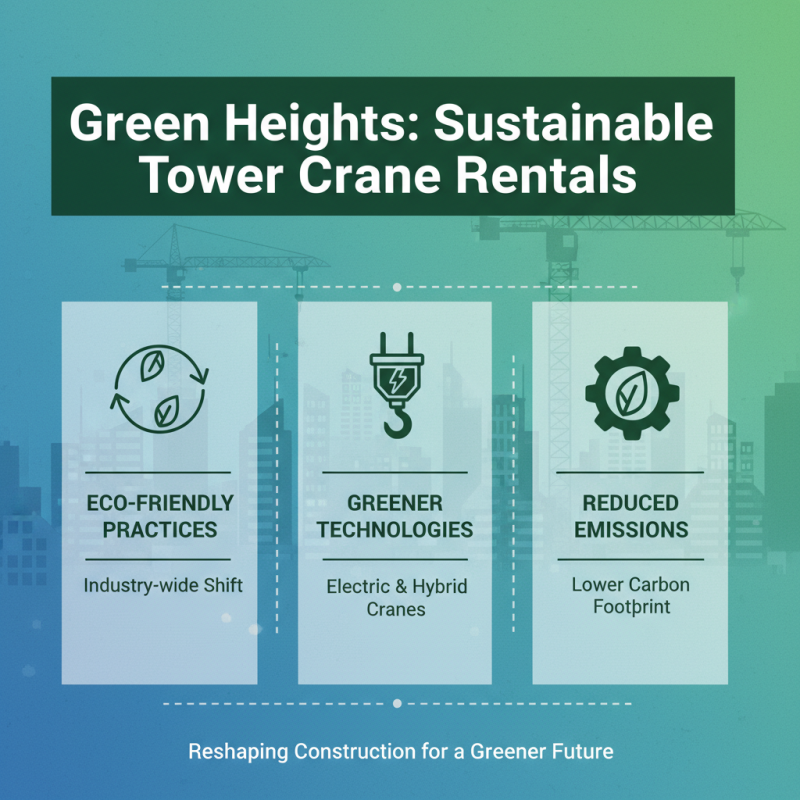
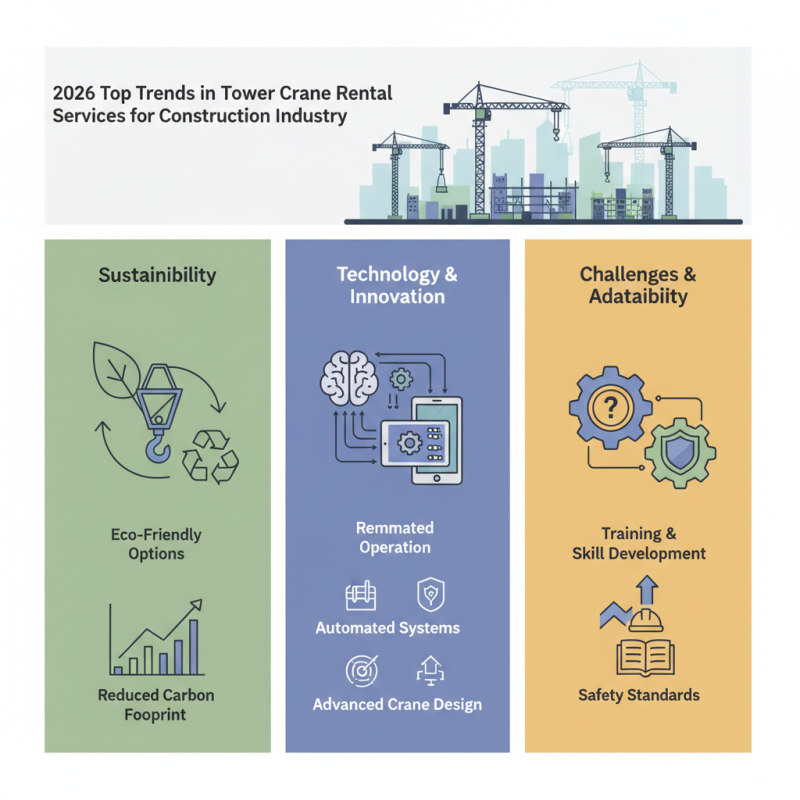
As we look towards 2026, several key trends are emerging in Tower Crane Rental. The push for sustainability is reshaping rental practices, as companies seek eco-friendly options. Technology is also playing a significant role. Innovations in crane design and remote operation are changing the way operators manage their equipment. However, adapting to these advancements requires a shift in mindset.
There are still gaps in knowledge and implementation. Some contractors feel uncertain about integrating new technologies into their processes. Others struggle with maintaining safety standards while maximizing efficiency. These reflections underscore the importance of continuous learning in the sector. Understanding the trends in Tower Crane Rental not only informs better decision-making but also helps in navigating future challenges.
Impact of Technological Advancements on Tower Crane Rental Efficiency
In the construction industry, tower crane rental services are evolving rapidly. Technological advancements are central to improving rental efficiency. Smart cranes equipped with IoT sensors allow real-time monitoring. This enhances safety and minimizes downtime. Data analytics can predict maintenance needs. Rented cranes become more reliable and productive.
However, not all companies adapt quickly to new technologies. Some still rely on outdated methods, resulting in inefficiencies. Training workers on new systems is essential. It takes time to shift mindsets and embrace innovation. Companies must invest in continuous learning.
Tips: Invest in training programs for your team. Encourage them to explore the latest tech in the industry. Regularly evaluate your rental processes. Identify areas for improvement and adapt accordingly. This can lead to better outcomes for your projects.
2026 Top Trends in Tower Crane Rental Services for Construction Industry - Impact of Technological Advancements on Tower Crane Rental Efficiency
| Trend |
Description |
Impact on Efficiency |
Technology Used |
| Remote Monitoring |
Crane operations can be monitored remotely, improving oversight. |
Reduces downtime and allows for proactive maintenance. |
IoT sensors and cloud technology. |
| Automation |
Increased use of automated cranes to streamline operations. |
Enhances precision and reduces labor costs. |
AI and machine learning algorithms. |
| Enhanced Safety Features |
Integration of advanced safety mechanisms to prevent accidents. |
Minimizes accidents and improves worker confidence. |
Advanced sensors and emergency response systems. |
| Data Analytics |
Utilization of big data to optimize crane usage and placement. |
Improves project planning and reduces inefficiencies. |
Big data tools and analytics software. |
| Sustainability Practices |
Adoption of eco-friendly cranes and practices to reduce environmental impact. |
Contributes to long-term cost savings and compliance with regulations. |
Clean energy sources and green technologies. |
Influence of Labor Shortages on Tower Crane Rental Market Dynamics
Labor shortages significantly impact the tower crane rental market. As construction projects intensify, the demand for skilled operators rises. However, the number of available operators has dwindled. This gap creates challenges for companies relying on tower cranes.
With fewer workers, project timelines may extend. Increased rental rates could also result from high demand and limited availability. Companies may need to turn to automation, but this comes with its own challenges. Not all projects can adopt advanced technology easily.
Moreover, safety training becomes crucial in this context. A well-trained operator enhances productivity and minimizes accidents. Yet, the lack of available training programs complicates this issue. It’s clear that while demand for tower cranes is high, the labor shortage presents a significant barrier to progress in the construction industry. Companies must innovate to attract and retain talent.
Cost Analysis: Rental vs. Purchase of Tower Cranes in Construction
In the construction industry, the decision to rent or purchase tower cranes greatly impacts budgets. Recent studies indicate that renting tower cranes can significantly reduce upfront costs. The average rental price for a tower crane ranges from $2,500 to $7,000 monthly. In contrast, the purchase of a new tower crane can exceed $100,000. This disparity raises important questions about budgeting strategies.
Moreover, maintenance and operational costs further complicate the decision. Owning a crane means incurring additional expenses for repairs and regular servicing, which can amount to thousands annually. Research shows that maintenance costs can account for up to 15% of a crane's total cost of ownership. In contrast, rental agreements typically include maintenance, easing financial pressures.
There are challenges inherent in both options. Renting may limit availability or agility at crucial times. Some projects may demand specific cranes which are not available to rent. On the other hand, buying a crane ties up capital and risks depreciation. Understanding these factors is key for construction managers. Balancing cost with operational flexibility is essential in today's dynamic construction environment.
2026 Top Trends in Tower Crane Rental Services for Construction Industry
Regional Market Growth Projections for Tower Crane Rental Services by 2026
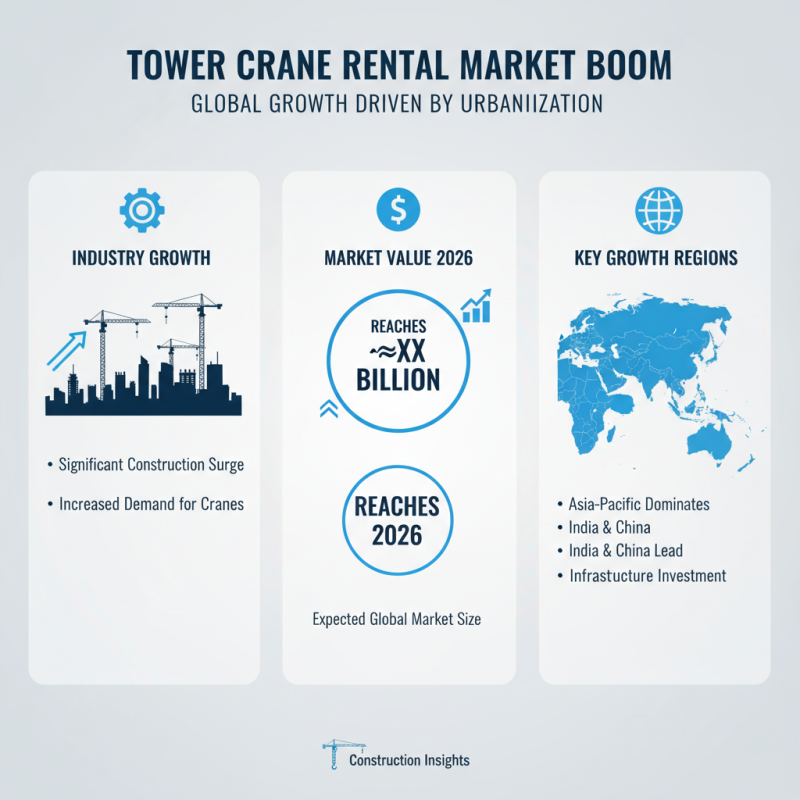
The construction industry is experiencing significant growth, which directly impacts the demand for tower crane rental services. By 2026, the global market for these services is expected to reach approximately $XX billion. This growth is largely driven by rapid urbanization and infrastructure projects across various regions. For instance, Asia-Pacific is projected to dominate the market, driven by countries like India and China, which are investing heavily in construction.
However, regional disparities in market growth are evident. While North America shows steady growth, Europe faces challenges due to stricter regulations. On the other hand, Latin America is emerging with high potential for tower crane rentals. According to recent industry reports, the rental market is anticipated to grow at a CAGR of XX% from 2022 to 2026, demonstrating a clear trend toward increased construction activities.
Yet, businesses must address some critical issues. The reliance on advanced technologies for crane operations raises safety concerns. Also, the high maintenance costs can affect profitability. Companies need to adapt and ensure they meet both local and international standards for safety and efficiency. Embracing these challenges could foster innovative solutions in the tower crane rental market.