2026 Best Tower Crane Parts You Need to Know?
The future of construction is evolving rapidly, and tower crane parts play a crucial role in this transformation. According to a recent industry report, the demand for tower cranes is expected to grow by 6.5% annually until 2026. This increase is driven by urbanization and infrastructure investments worldwide. Understanding the essential tower crane parts can enhance efficiency and safety on job sites.
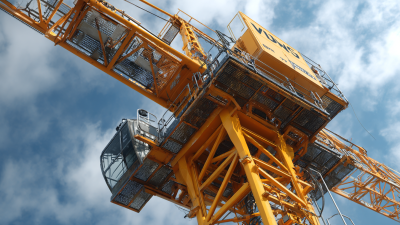
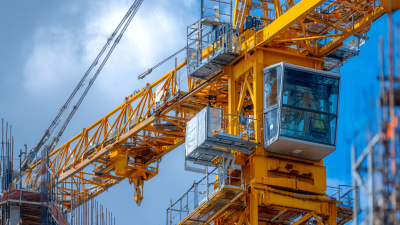
Key components like the jib, counterweight, and hoist mechanism are vital. Each part must meet strict safety standards. Often, poor maintenance or counterfeit parts lead to failures, resulting in costly downtime. Operators must prioritize quality, as the reliability of tower cranes heavily relies on these components. The right parts not only ensure safety but also improve performance.
However, many companies overlook regular inspections. This oversight can lead to severe accidents or project delays. Investing in high-quality tower crane parts is not just an option but a necessity for long-term success. Construction leaders must educate their teams about the significance of these components. Awareness and proper training will significantly reduce risks and enhance overall project outcomes. The road ahead requires focus on quality and understanding the needs of tower crane components.
Key Components of Tower Cranes: An Overview
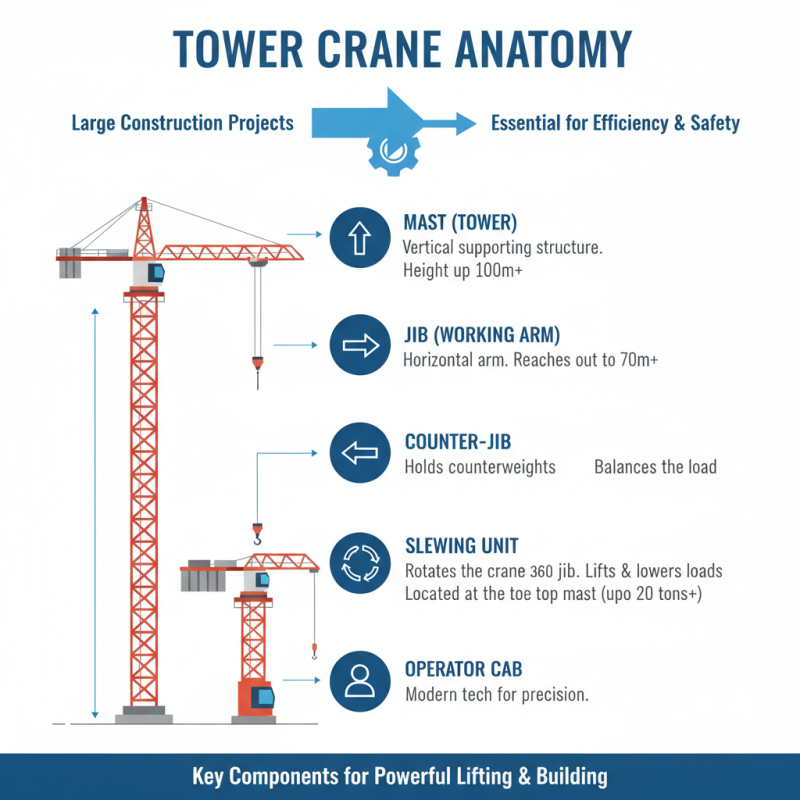
Tower cranes are essential for large construction projects. These machines are known for their impressive height and lifting capacity. Understanding their key components can enhance efficiency and safety on the job site.
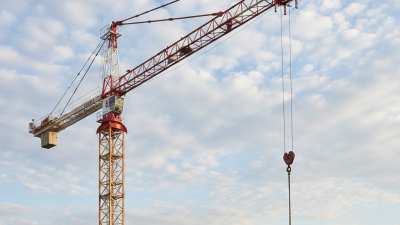
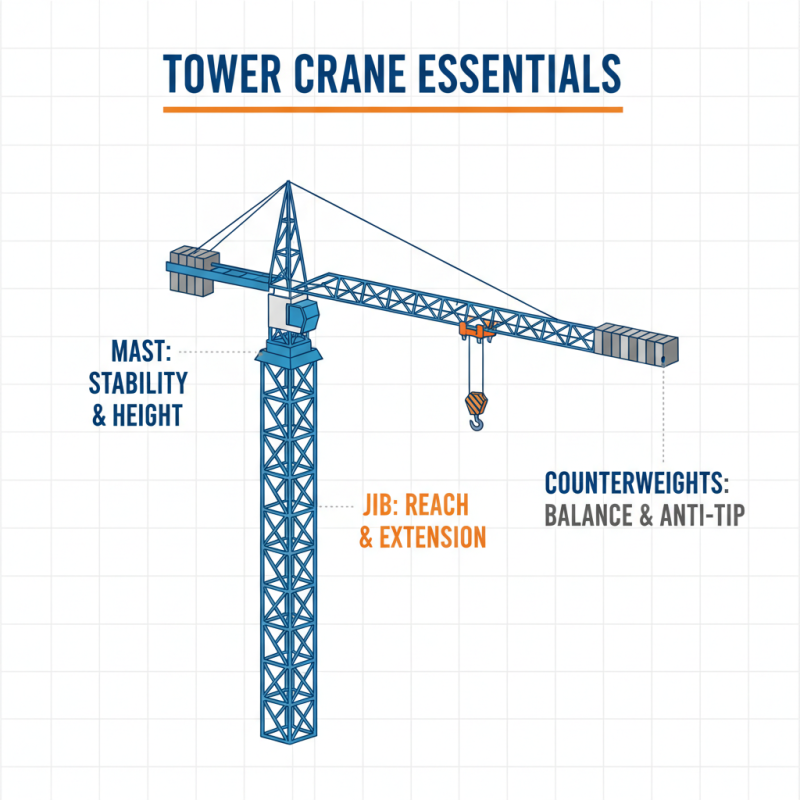
The main parts of a tower crane include the mast, the boom, and the counterweight. The mast serves as the base, providing stability. The boom is the long arm that lifts materials. Counterweights balance the crane, ensuring it doesn’t topple over during operation. Each part must be inspected regularly. Damage or wear could lead to accidents.
Tips: Always check the crane’s load chart. This chart indicates the maximum weight it can lift at various heights. Training operators is crucial. Poor training can result in misuse and dangerous situations. Engage in regular maintenance. Small issues can escalate if ignored.
Factors to Consider When Choosing Tower Crane Parts
When choosing tower crane parts, several factors must be carefully evaluated. Quality is essential. Inferior parts can lead to failures. They may impact safety and productivity. Workers rely on these machines daily. A single faulty component can halt an entire project. Hence, sourcing reputable suppliers is crucial.
Compatibility is another key consideration. Ensure all parts fit together seamlessly. A mismatch can cause operational issues. It’s wise to check specifications thoroughly. Additionally, reviewing installation requirements helps prevent future problems. Each part must interact smoothly with the others.
Cost is also a significant factor. While it’s tempting to choose cheaper options, this might backfire. Long-term expenses can increase due to repairs and downtime. Sometimes, a higher initial investment pays off over time. Balancing price and quality is not easy. It demands careful thought and planning. Quality parts are more likely to endure the test of time.
Maintenance Tips for Maximizing Tower Crane Parts Longevity
Tower cranes are essential in construction. Their parts face heavy wear. Proper maintenance ensures longevity. A report by the International Journal of Construction Engineering shows that effective maintenance can increase tower crane lifespan by 30%.
Regular inspections are crucial. Check the hook and hoist mechanism weekly. Dust and debris can cause damage. Lubrication is key. Use high-quality grease to reduce friction. Parts may still wear down unexpectedly. Pay attention to unusual noises, which could indicate underlying issues.
Tip: Create a routine schedule for maintenance tasks. Document everything. Set reminders for inspections. Don't underestimate this step. A systematic approach can prevent costly breakdowns. Small issues, if ignored, can escalate into massive repairs. Maintaining these cranes requires diligence and proactive measures.
2026 Best Tower Crane Parts You Need to Know - Maintenance Tips for Maximizing Tower Crane Parts Longevity
| Component |
Description |
Maintenance Tips |
Estimated Longevity (Years) |
| Tower Structure |
The mainframe of the crane. |
Regular inspections for corrosion and structural integrity. |
15 |
| Hoist Mechanism |
Lifts and lowers the load. |
Lubricate moving parts and check for wear regularly. |
10 |
| Jib |
The horizontal arm of the crane. |
Inspect for bending or deformation after heavy loads. |
12 |
| Counterweights |
Balances the load lifted by the crane. |
Ensure they are securely attached and free from damage. |
15 |
| Control System |
Manages and controls crane operations. |
Routine checks and software updates to ensure proper function. |
8 |
Latest Innovations in Tower Crane Parts for 2026
In 2026, the tower crane industry is seeing remarkable innovations. The latest advancements are focused on enhancing safety, efficiency, and durability. New materials are being tested for crane components. These materials promise longer lifespans and reduced maintenance.
One standout feature is the improved load monitoring system. This system provides real-time data to operators. It helps avoid potential overload situations. Additionally, remote control options are becoming more common, allowing for better operator control. However, reliance on technology raises concerns. Operators must remain vigilant even with advanced systems in place.
Safety remains a primary focus in design. Enhanced braking systems are one example. They offer quicker responses during emergencies. Despite these developments, human error remains a challenge. Training is crucial as technology evolves. Without proper understanding, innovations might not reach their full potential. Engaging with these new features can lead to better practices and outcomes.
2026 Best Tower Crane Parts: Innovations Overview
This chart illustrates the percentage distribution of various innovative tower crane parts expected to be popular in 2026. It highlights advancements in technology, materials, and efficiency enhancements that are shaping the future of tower cranes.